VIEWS: 163
April 7, 2026Annual Horse Camp Educates Community Youth About Identity, Unity and More
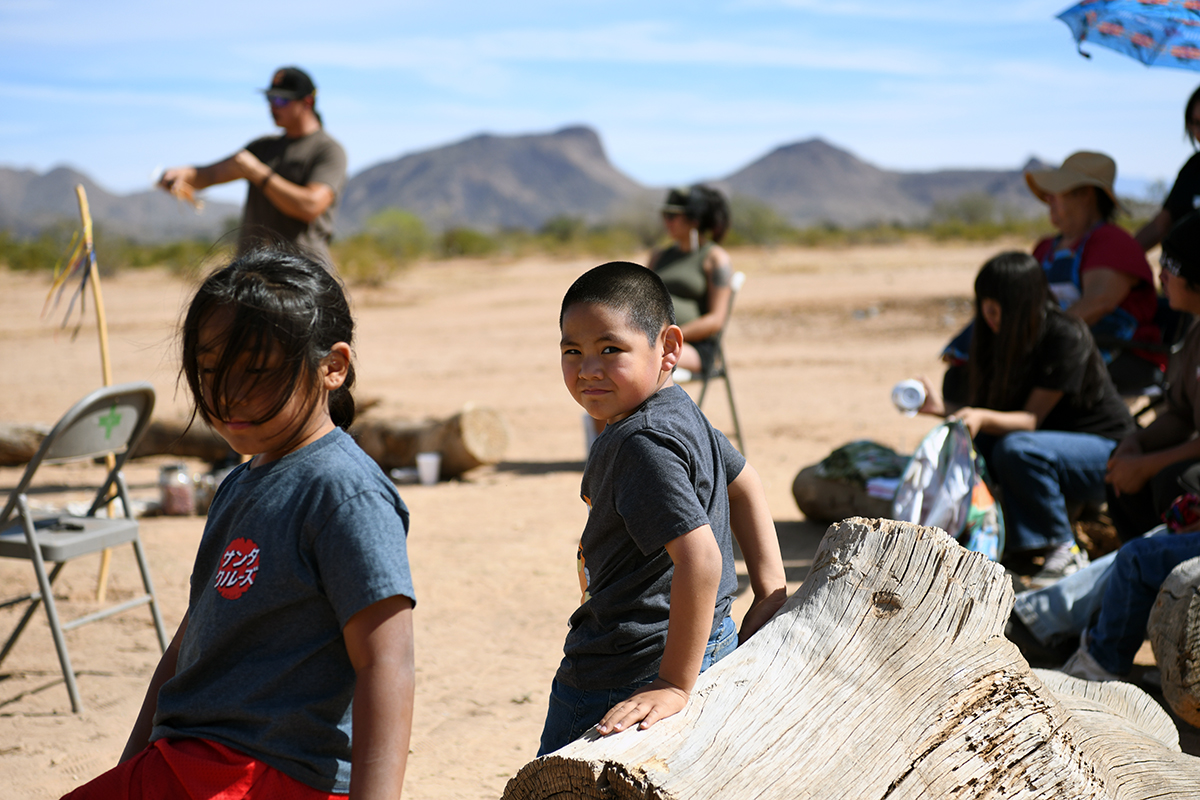
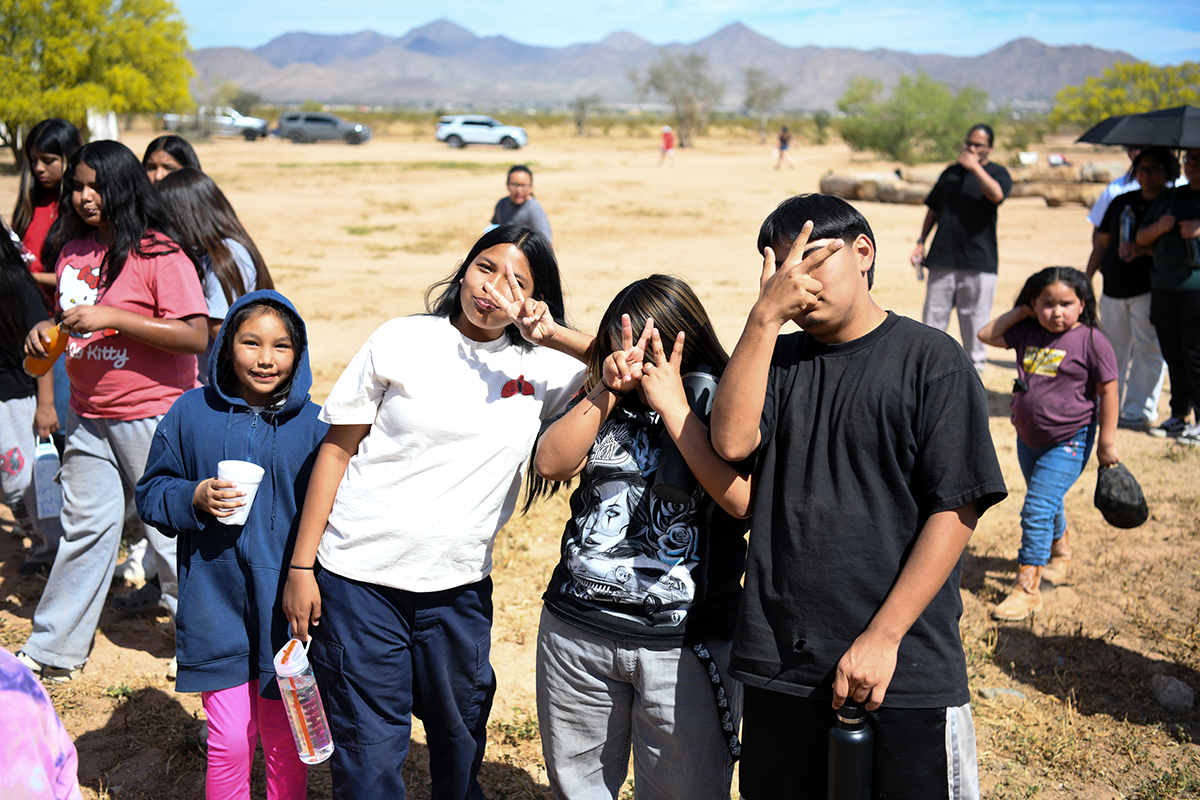
Nearly 40 Salt River Pima-Maricopa Indian Community children participated in the annual horse camp this year, which began on Friday, March 13.
The three-day event teaches horsemanship fundamentals while also providing youth ample time with adults and seniors who help them continue to learn their O’odham and Piipaash traditions.
Families, children and loved ones traveled to the campsite and pitched their tents outdoors. Angie Silversmith, Andrea Stepp and many more assisted with the camp’s daily operations, which included making coffee the old-fashioned way, by simply boiling the grounds over a campfire without the use of a coffee filter. “We make coffee the cowboy way; it’s strong,” said SRPMIC Senior Environmental Specialist Brian Gewecke. He added, “Never drink that last sip, either; that’s where all the grounds are.”
Across the camp’s three days, Gewecke ensured that the campgrounds were properly maintained and the participants and speakers had the resources and supplies they needed.
Day one of horse camp began with an opening prayer provided by Patsy King. Silversmith, who was assisted by members of her family, headlined the official introduction to horse camp and reviewed the weekend’s rules. Later that night, the girls participated in a sweat lodge, which was facilitated by Serena Padilla.
The mountains and desert landscape provided an eyeful to the Community children and their families as the daytime sun peeked between the clouds. The area is home to wild horses, coyotes and other wildlife, so the adults told the children to leave the wild horses alone, allowing them to graze the land as they normally do.
“We camp out here for three days. [Friday night] it got down to about 50 degrees,” said Gewecke. “You might wake up a few times during the night when that happens, because the ground gets hard.”
Thankfully, the campers had a few modern additions, such as port-a-potties, to ease the outdoor experience. The campgrounds also featured a massive tent that provided shade and covered the kitchen and dining areas.
A water storage container provided water to the group over the weekend. Still, everyone was “roughing it.”
“There ain’t no McDonald’s out here,” Gewecke said with a grin.
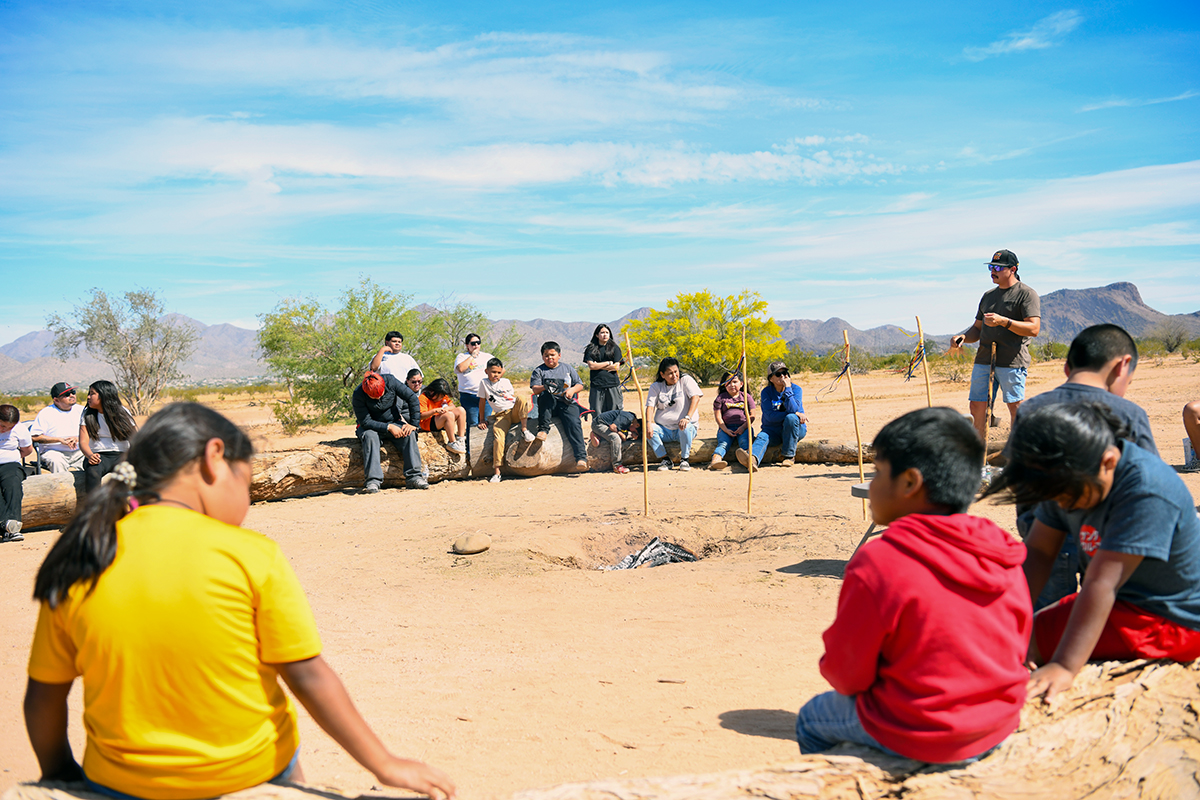
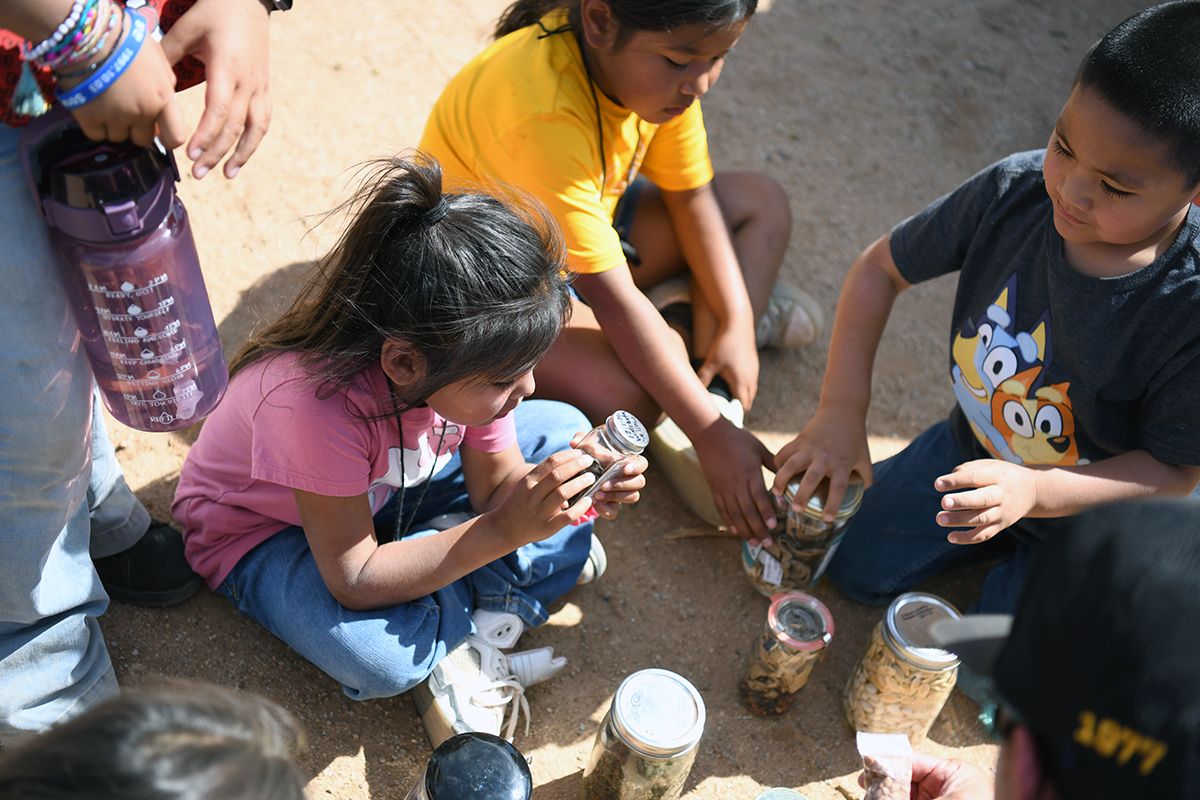
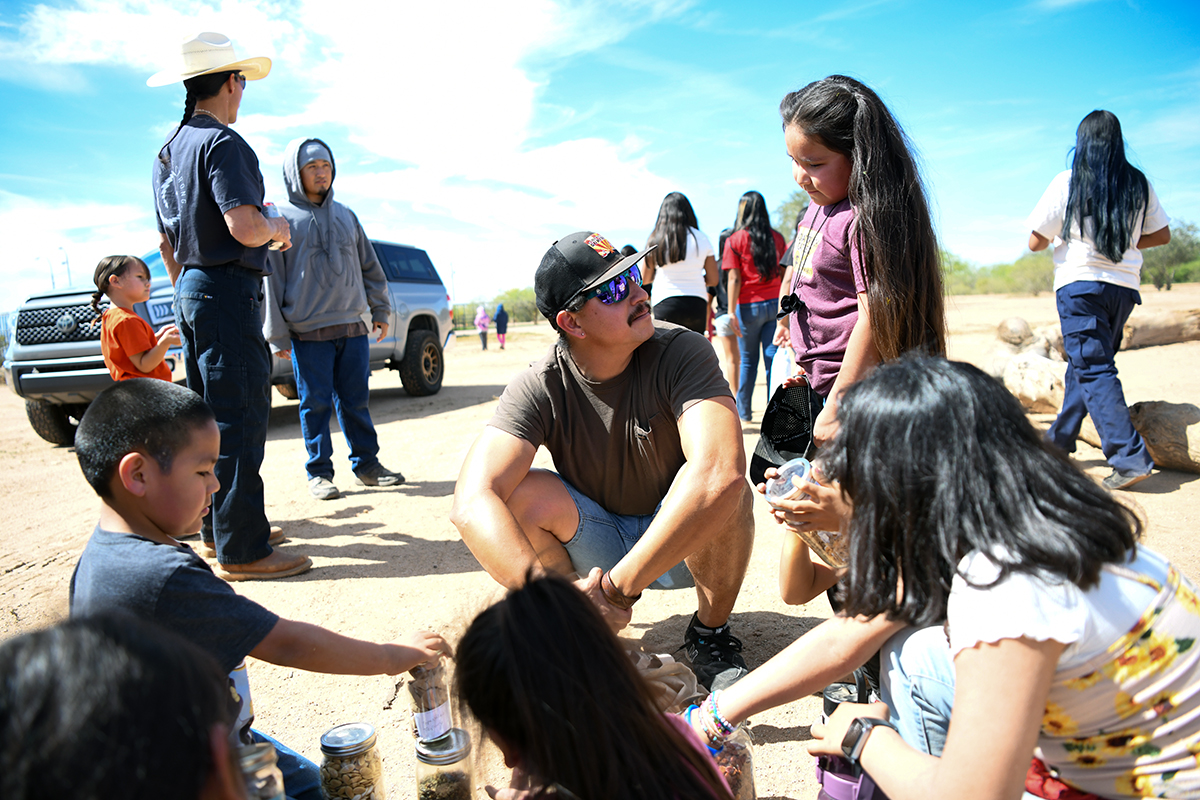
On Saturday, SRPMIC Engineering and Construction Services Survey Technician Amson Collins provided the children with an overview of the traditional seeds and plants in the Community, as well as a brief history of how the O’odham and Piipaash united.
“I’ve spent many years out here with my dad,” said Collins to the children. “We used to hunt deer and rabbits out here; we still do to this day. I got used to hiking around six or seven years of age, around the age some of you are now.”
Collins detailed how he learned how to speak to the land and the plants to learn more ways he could help improve Mother Earth, which provided him with more insight into who he is and the traditions, language and cultures he comes from.
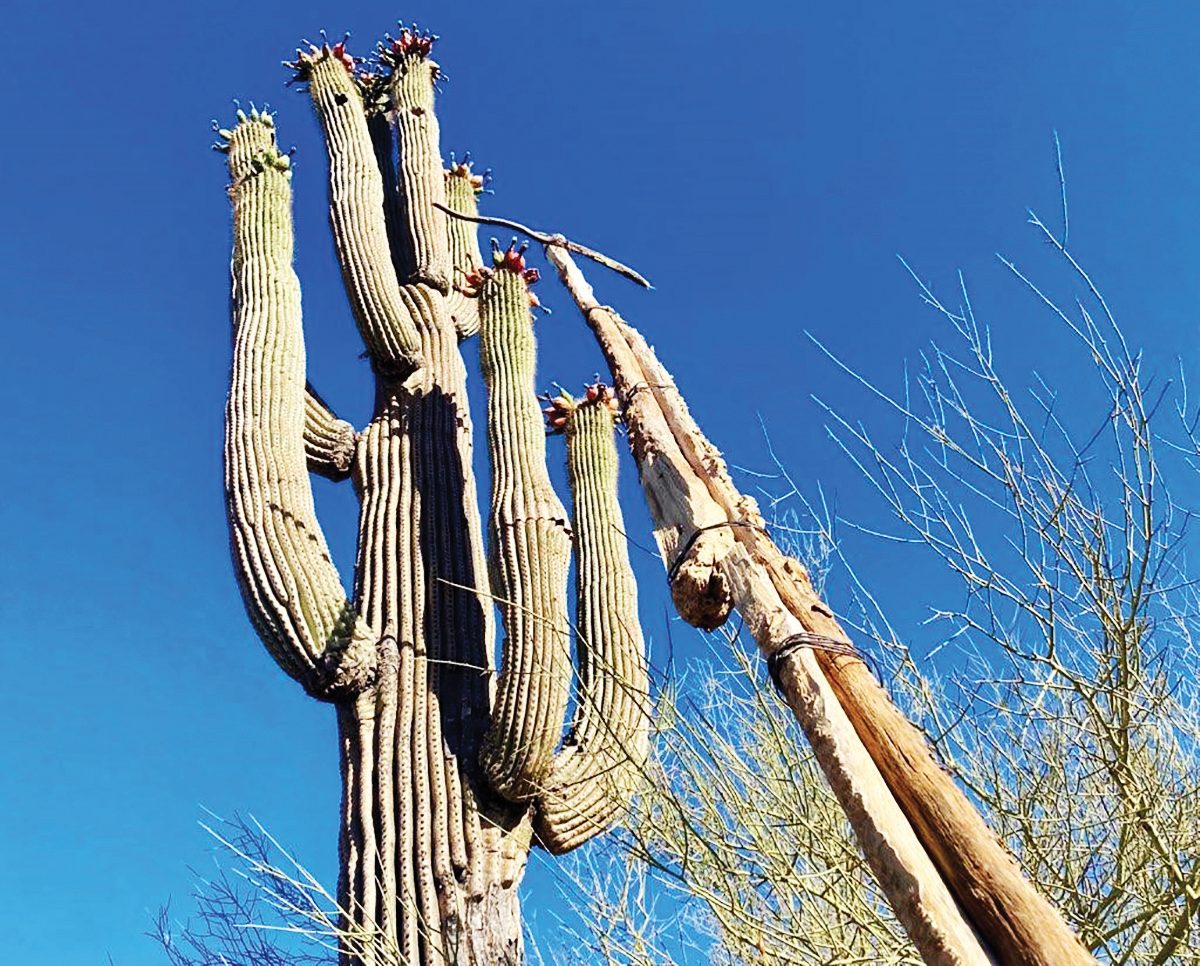
“Tobacco is a very powerful medicine; it’s even more powerful in prayer. I would put tobacco on a cactus, and I would talk to the cactus. I would say, ‘This is what I want to learn: I want to learn how to use your medicine. Can you teach me about your medicine?’ And I’d leave an offering out, and another to the ancestors, and I’d pray to them,” he said.
He added, “Then I would leave an offering to the sun and land itself and talk to them, too. Talk to everything. I did that, and then over the years, things started happening. I started having dreams about birds and different animals, and I would see different energies coming from the plants. I was told that you learn those things from the medicine. You ask them and they see your sincerity out of your heart.”
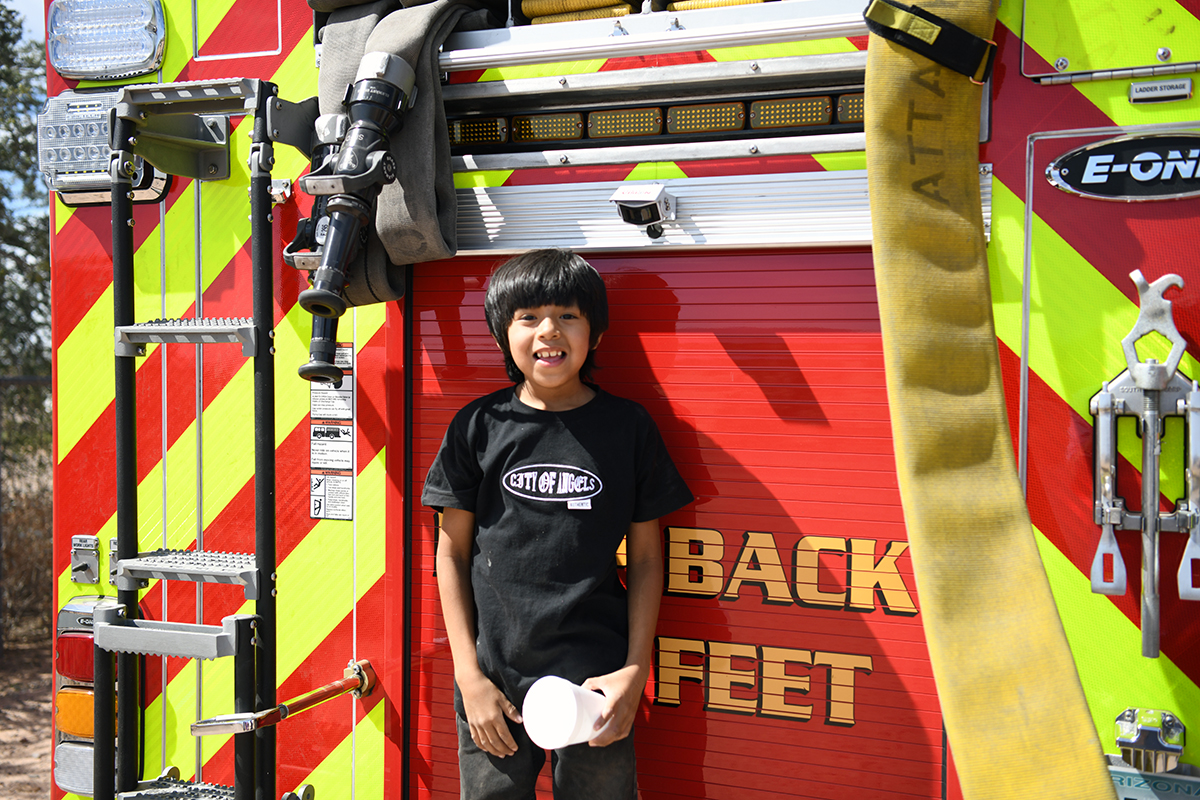
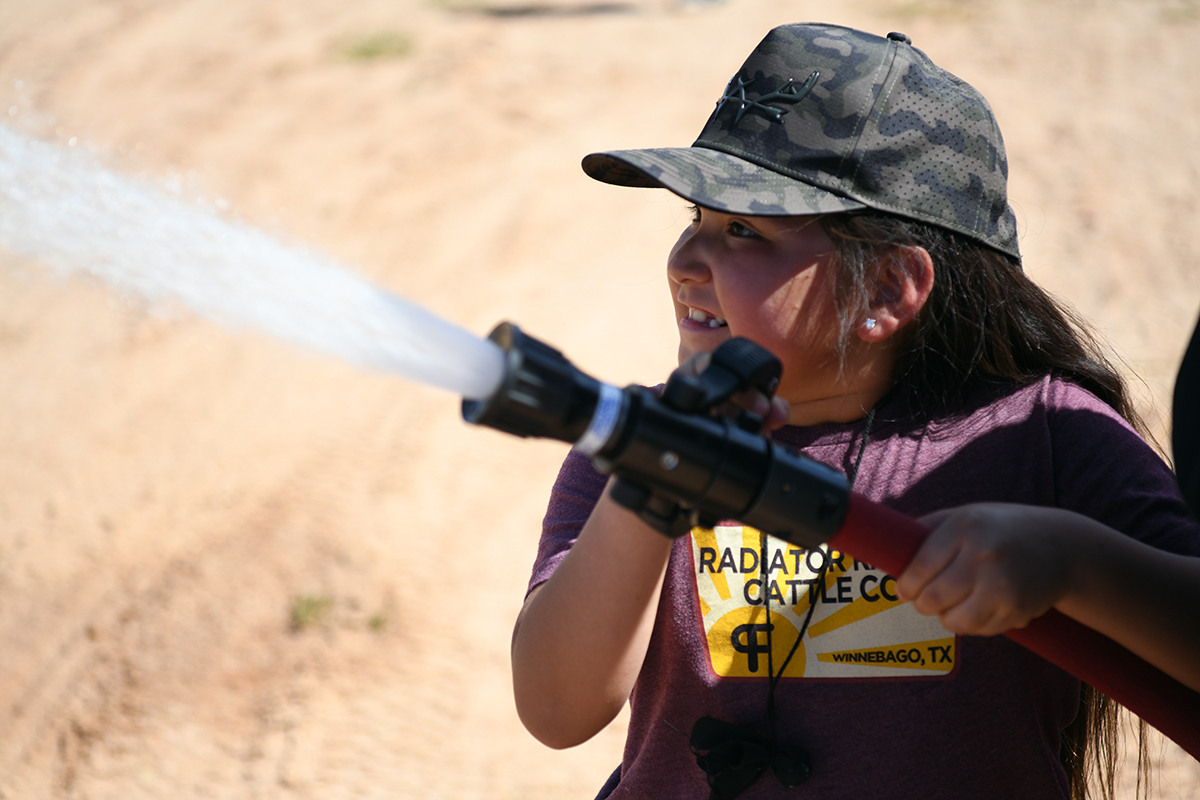
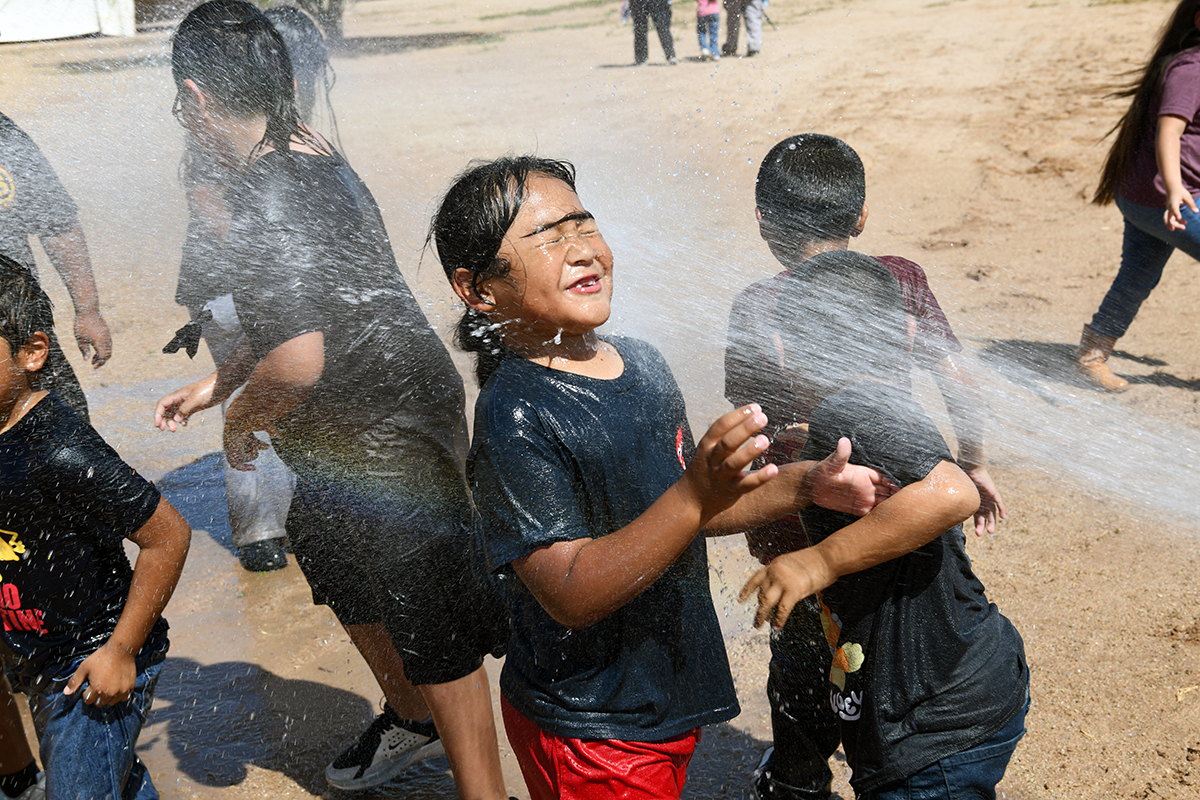
Following Collins’ presentation, the SRPMIC Fire Department appeared at the campgrounds to give everyone some water fun with the firehose. Later, the campers broke off into groups and the boys participated in a sweat lodge during the night.
The weekend fun continued Sunday, the final day of camp, as SRPMIC Council member David Antone and family brought out calves for a demonstration on how to properly tag, brand and castrate them.
“For some of these kids, it’s the first time they’ll see something like that,” said Gewecke.
Afterward, the campers ate lunch and got to spend time with the horses, which included tips on proper grooming and riding techniques.
“It’s fun being out here every year with the kids,” said Gewecke.