VIEWS: 505
February 23, 2026O’odham Piipaash Culture Celebrated
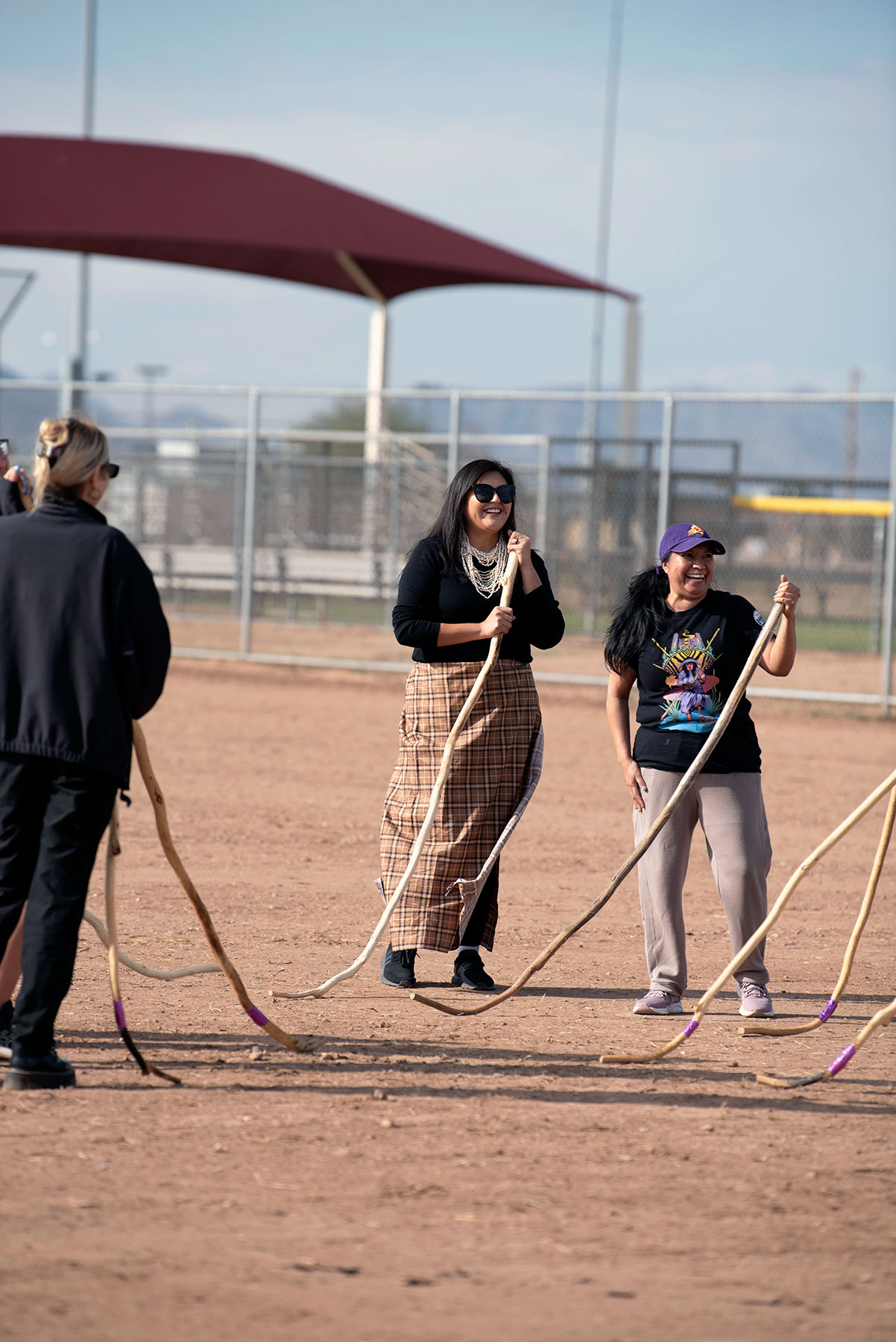
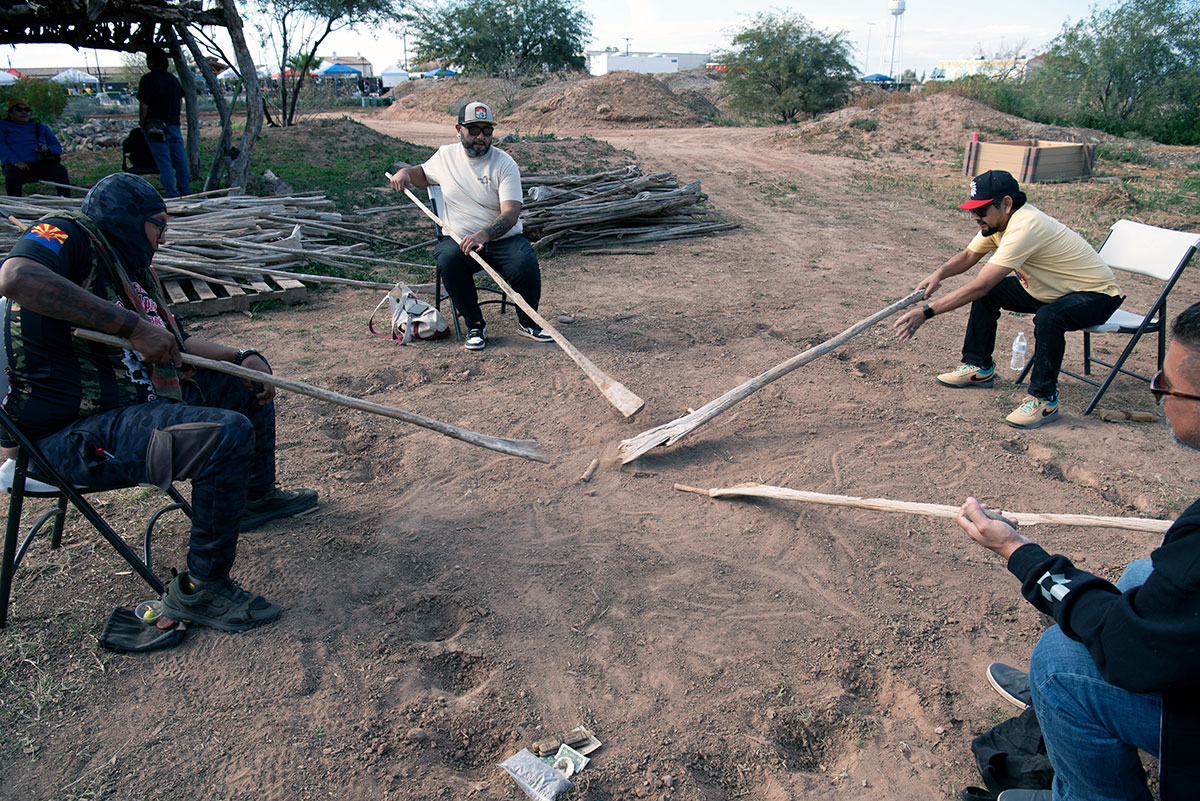
The sound of sticks hitting the ground echoed throughout the Salt River Community Garden, a song was sung as women and girls took turns hitting sticks from the bottom with a rock into the circle formation they created, and behind that were spectators watching as they learned how the game is played.
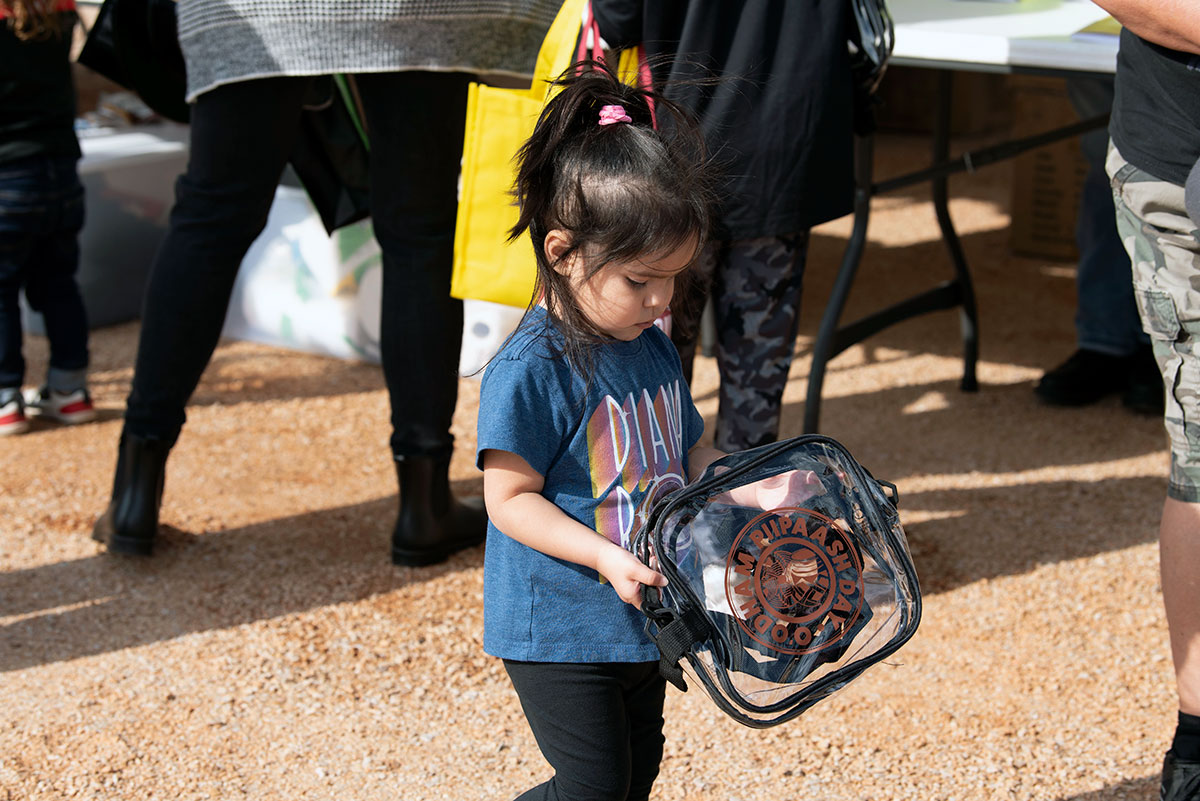
This is the O’odham women’s game called komai. And it was one of many traditional games played at the garden, located near McDowell and Longmore roads, during the annual O’odham Piipaash Day in the Salt River Pima-Maricopa Indian Community.
The Community celebrated O’odham and Piipaash culture on Jan. 24 in the form of a three-hour event open to the public. Traditional games like komai, gins and toka were taught and played along with O’odham/Piipaash bingo. Dawn Sinoqui instructed everyone on the rules of taka, and Isabella Dockerty taught komai. Gins is a game traditionally played by men and was considered a gambling game.
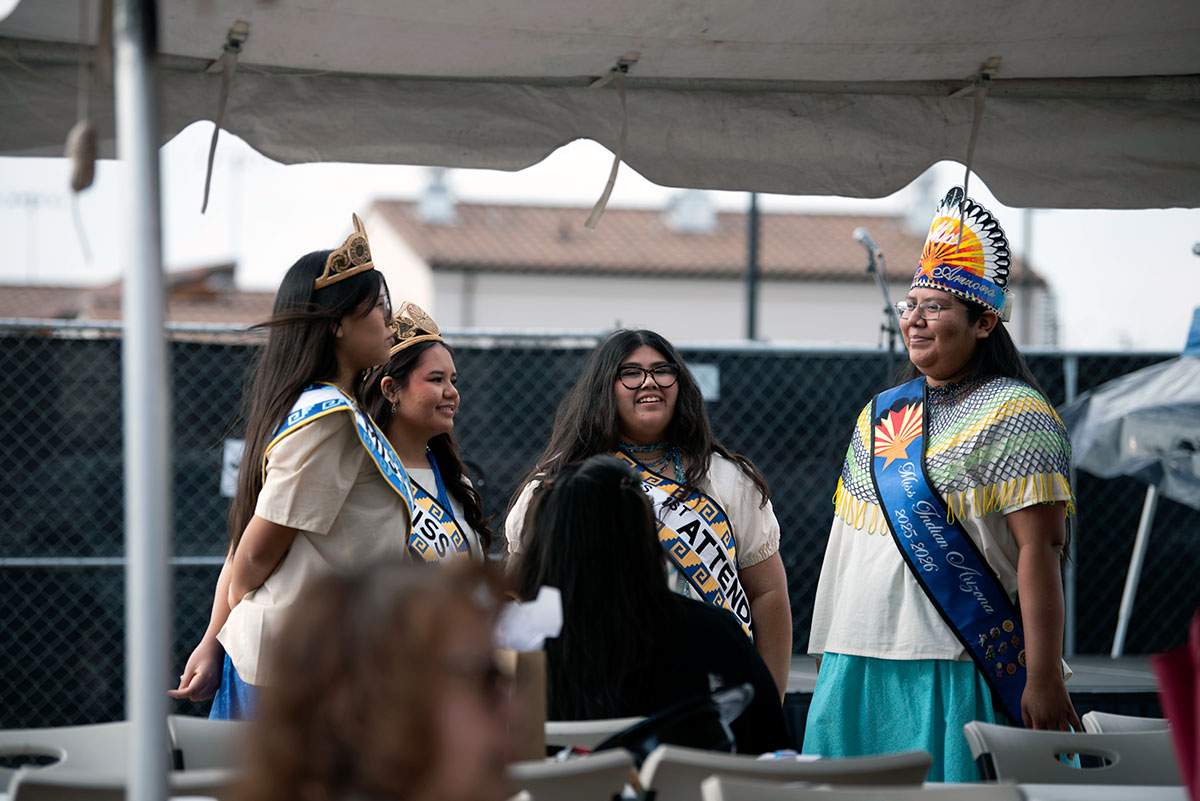
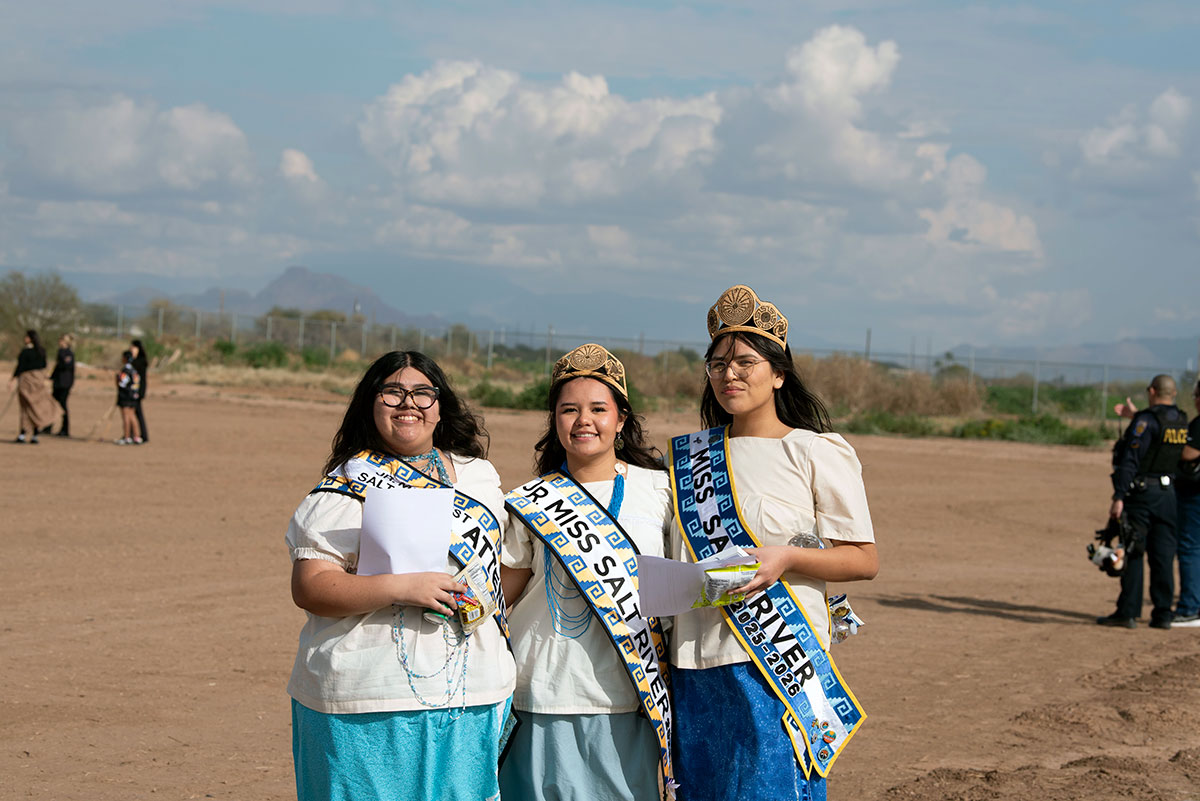
“Culture is integrated into our everyday lives, and I think it’s really important to celebrate that,” said Miss Indian Arizona Sialik King. “It’s really exciting to see and celebrate with everyone out here [and] show that we are still here. That we know our culture, that we know our languages.”
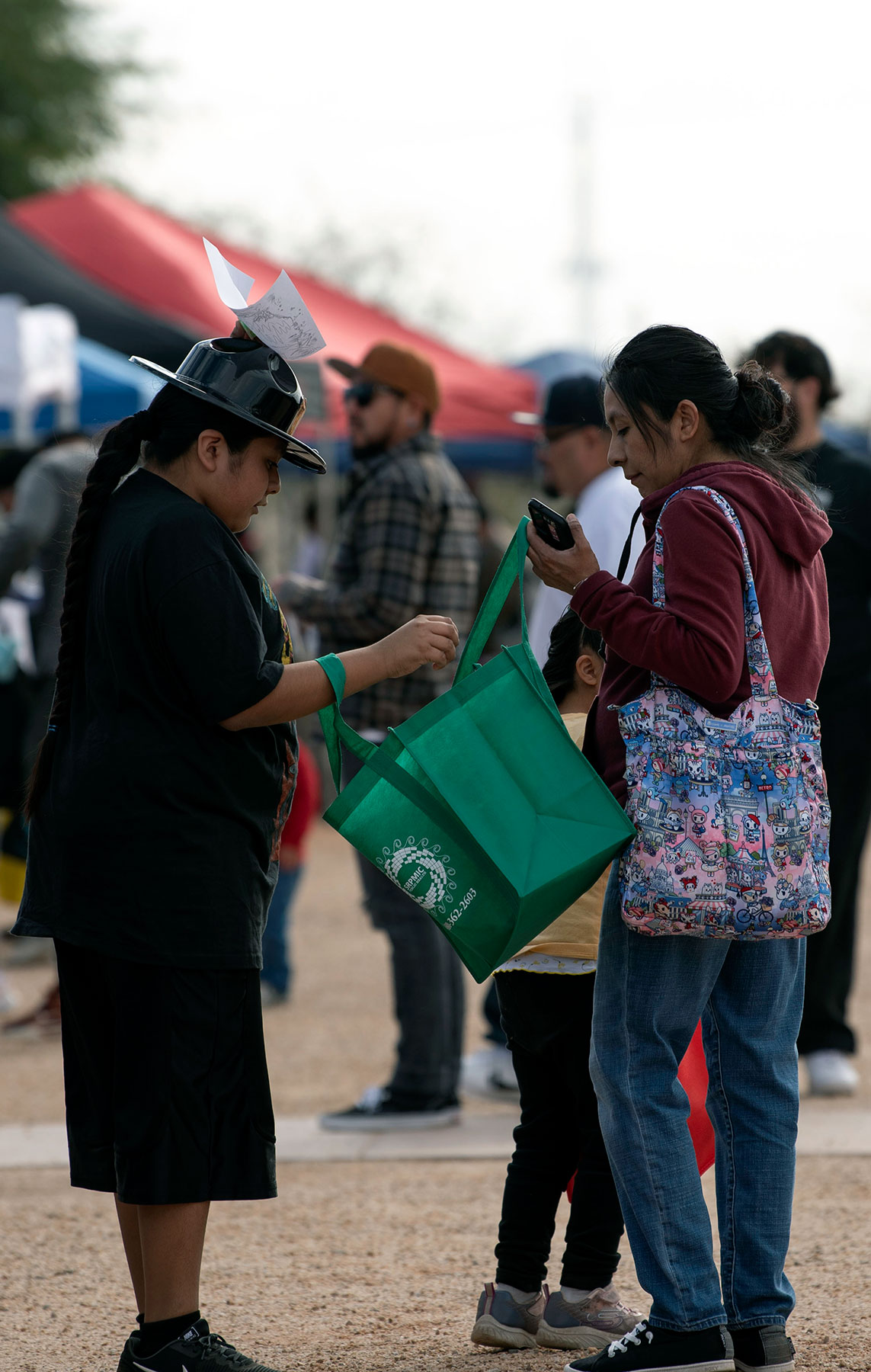
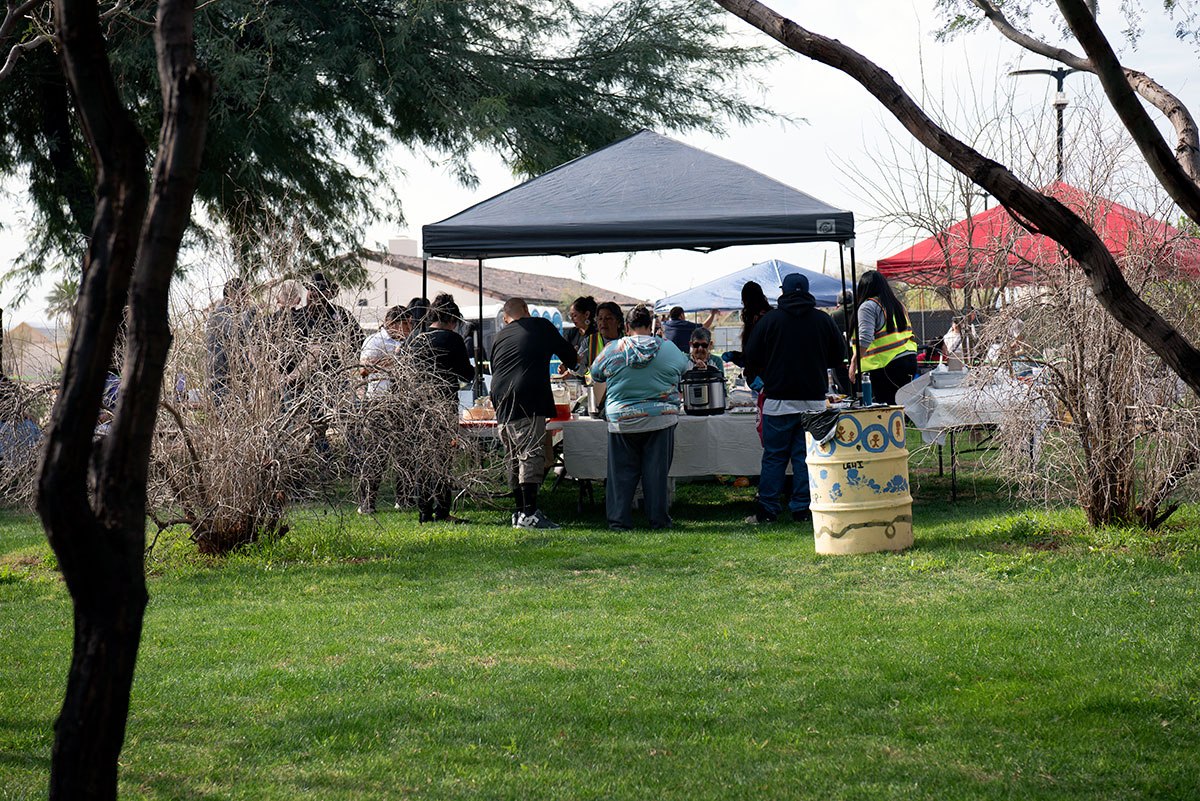
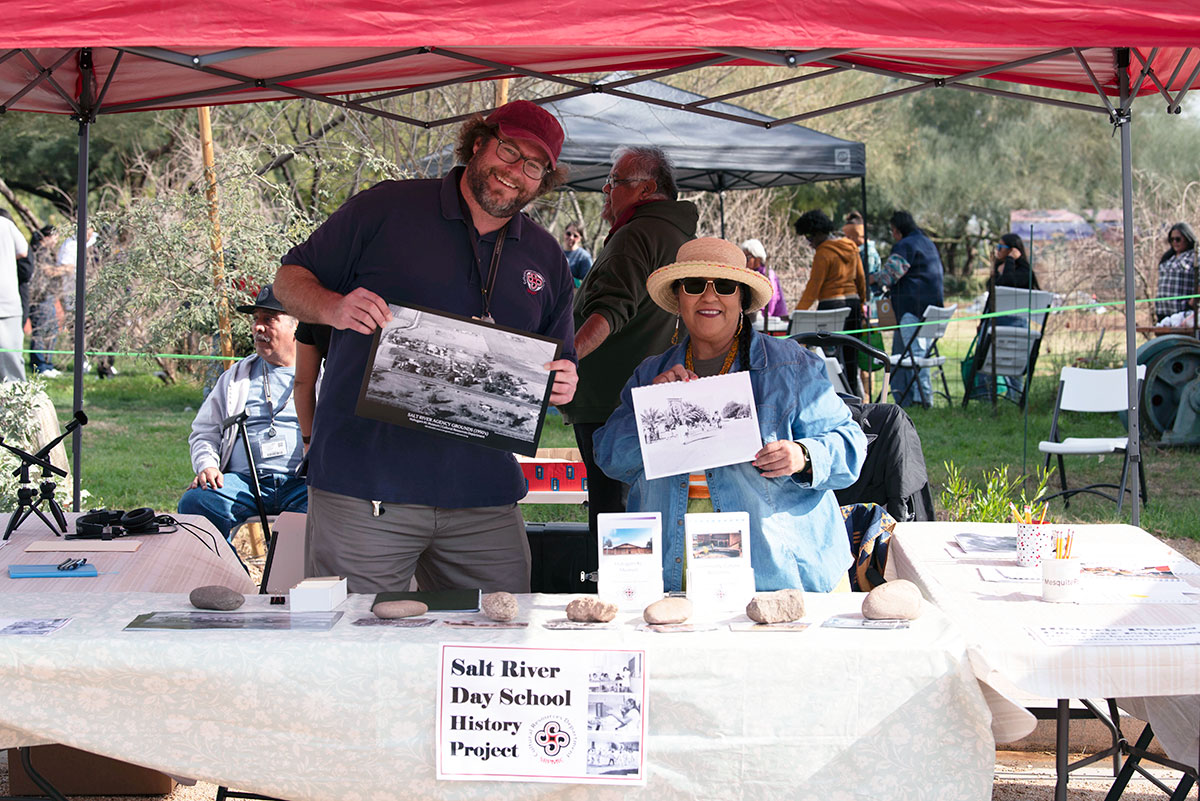
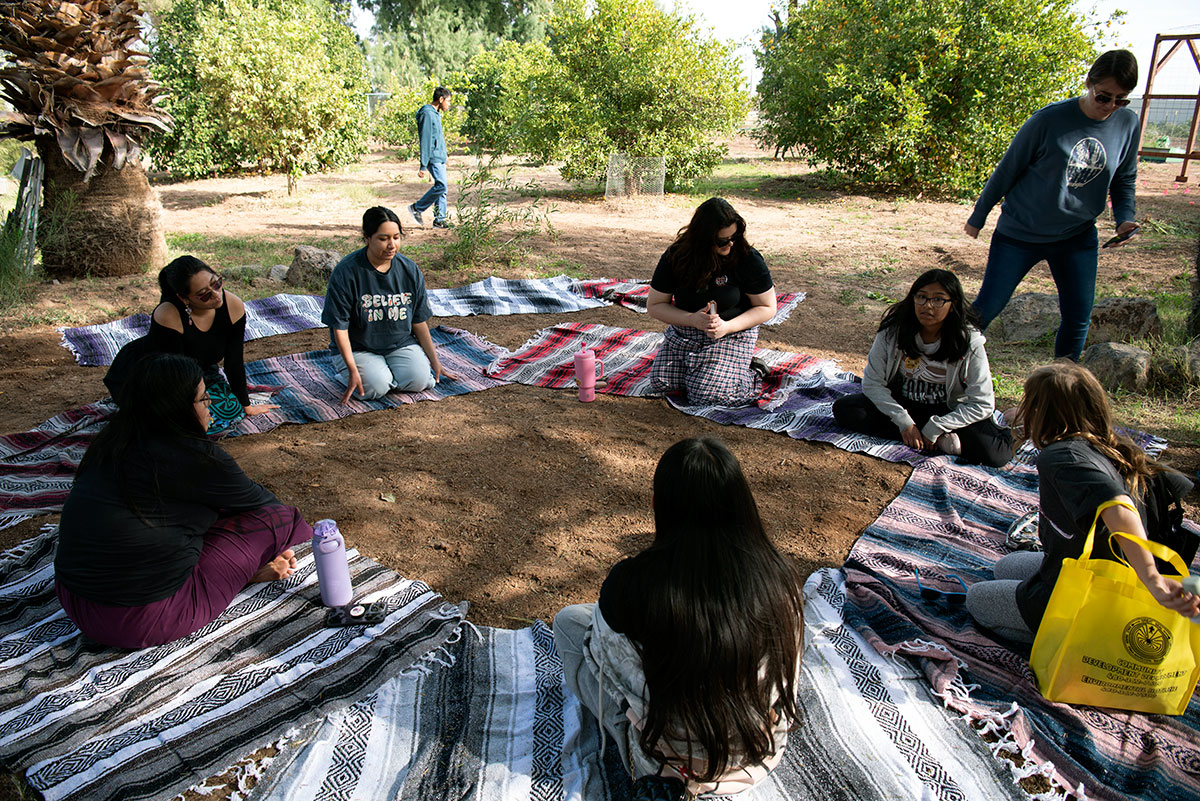
SRPMIC government departments had information booths with goodies set up for attendees to visit and learn about various cultural resources available in the Community.
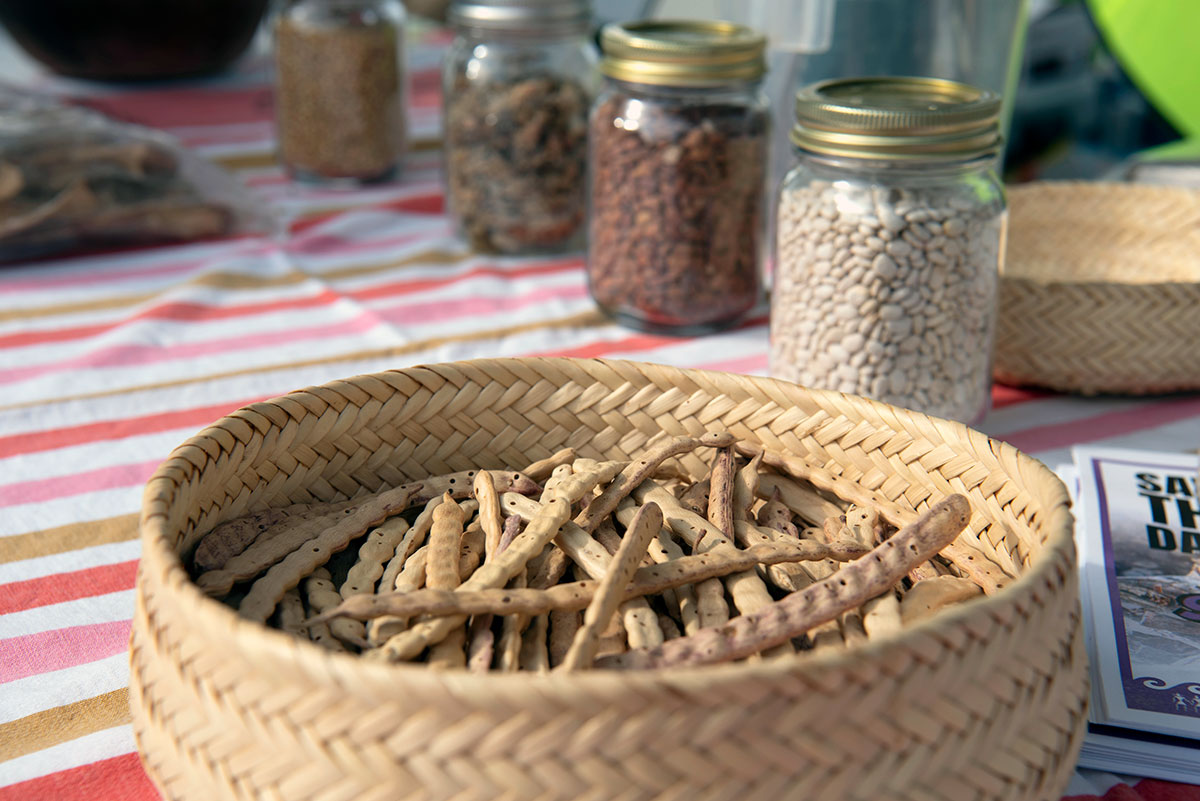
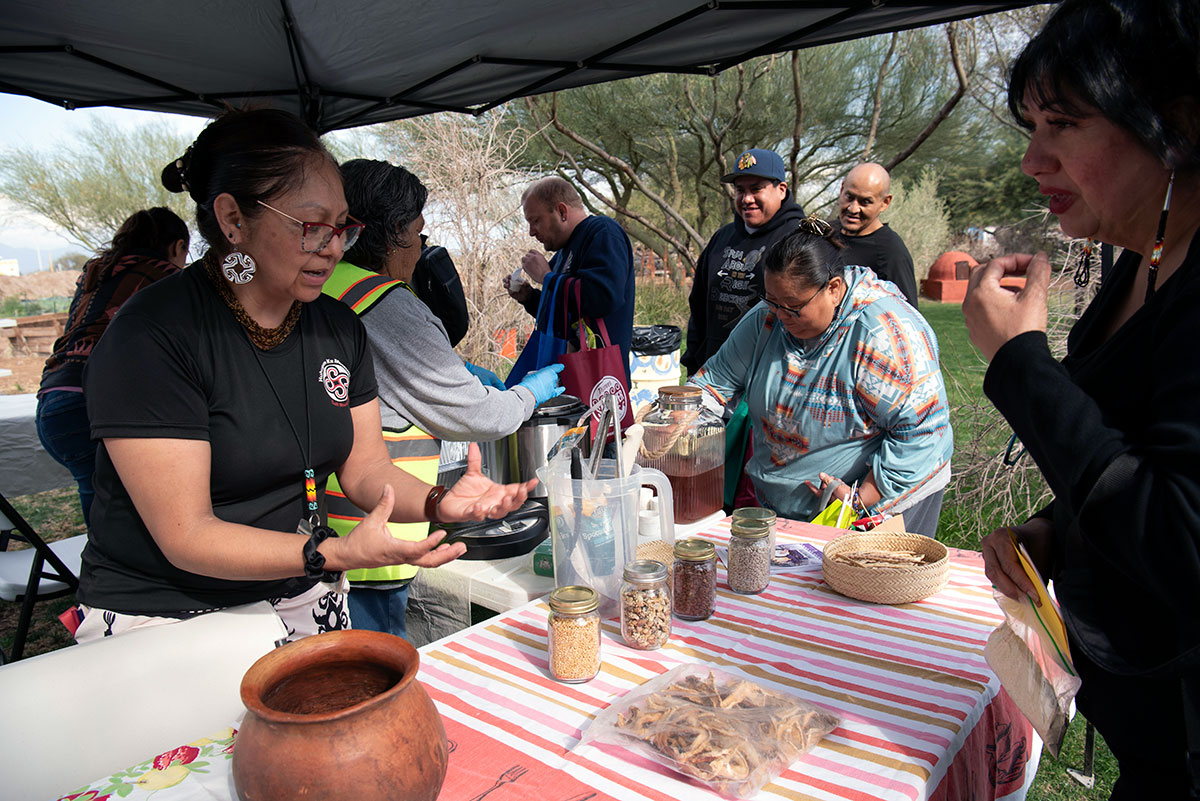
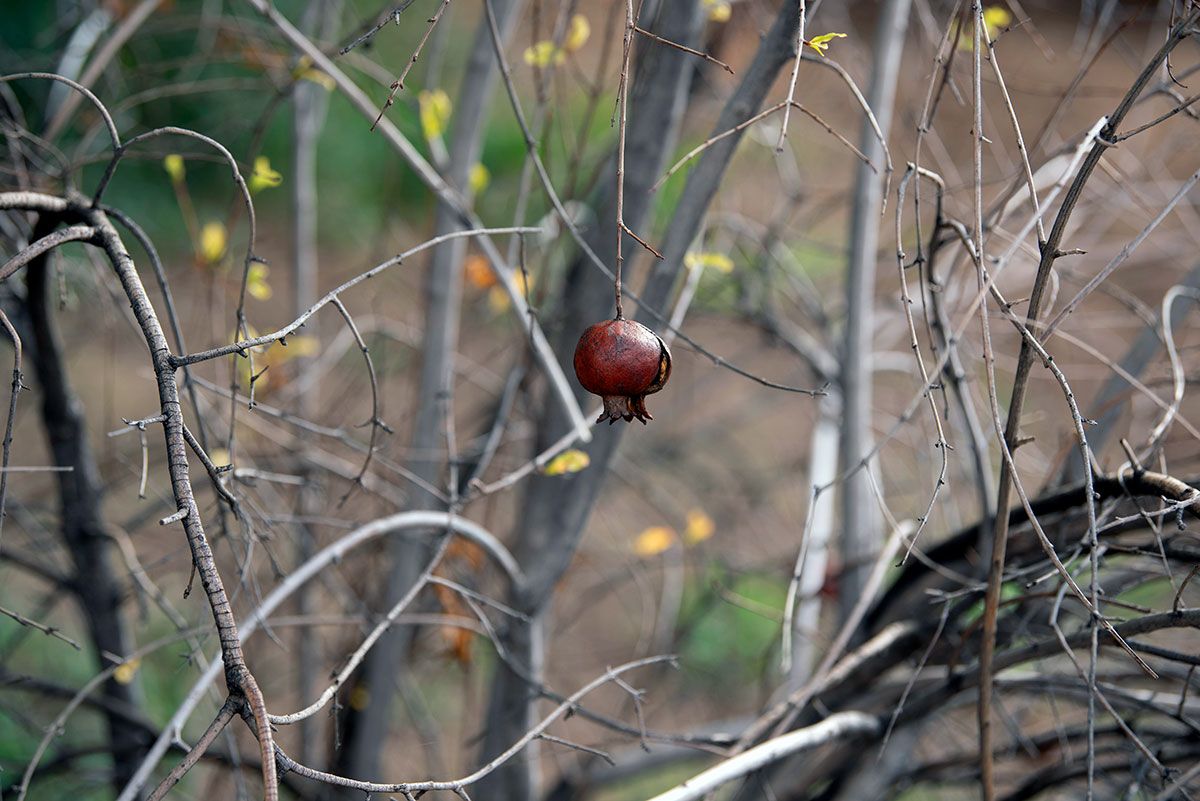
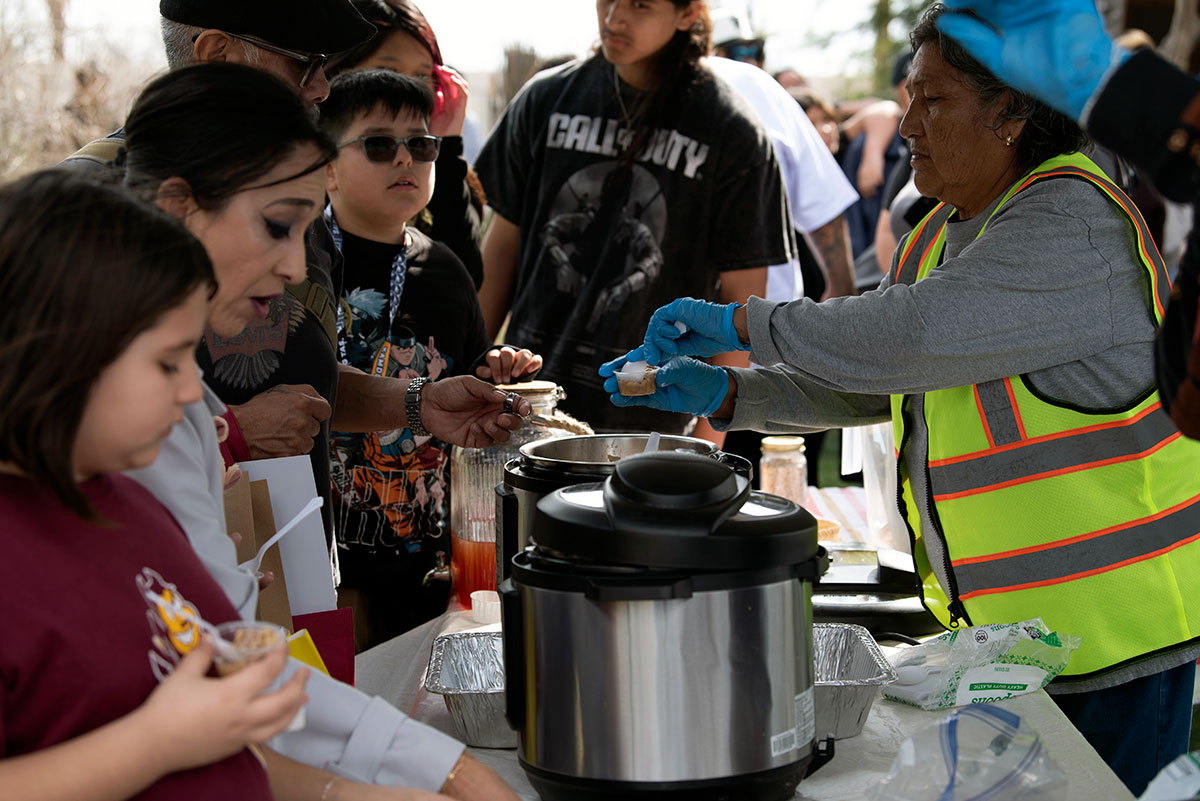
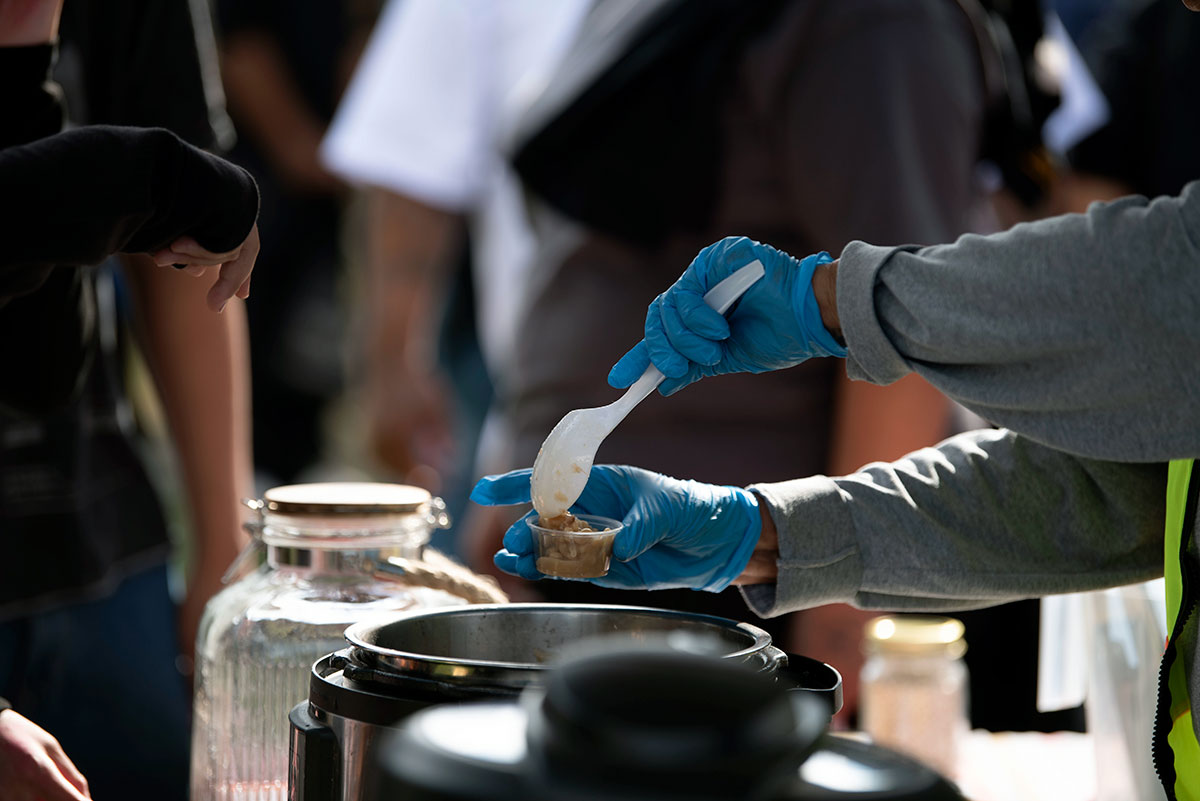
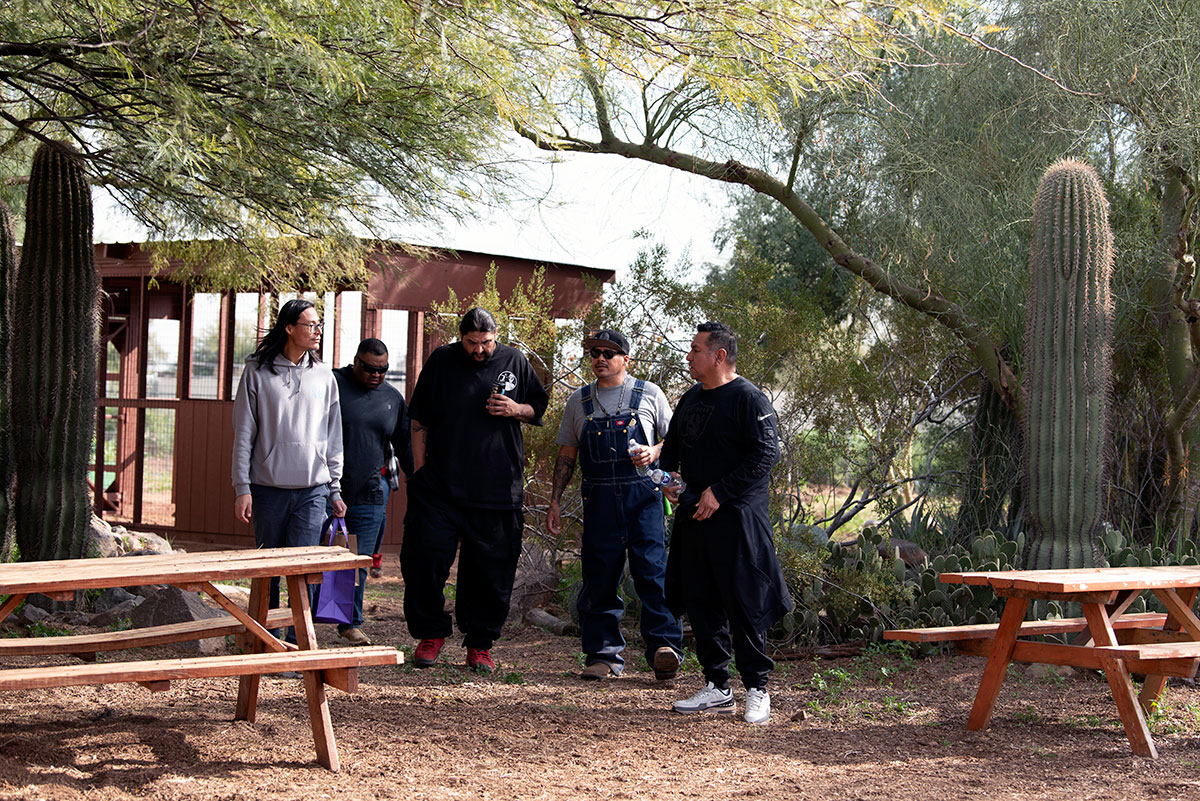
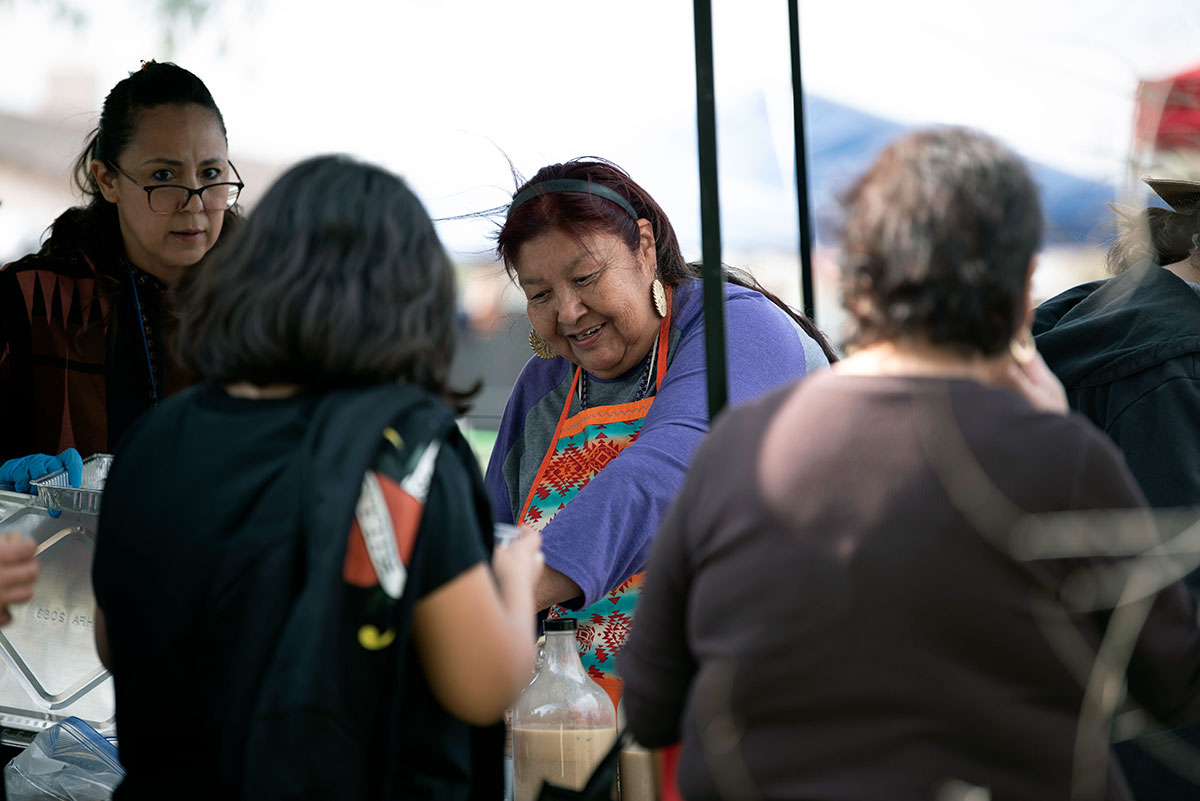
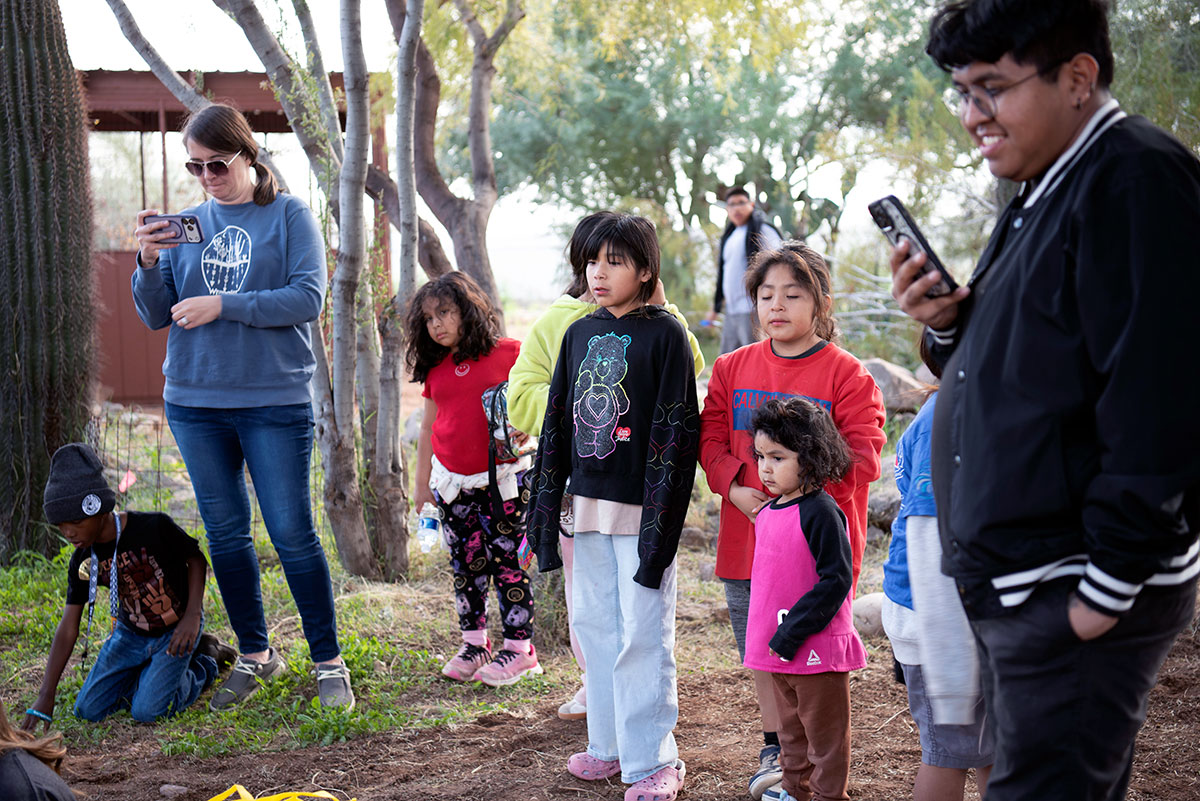
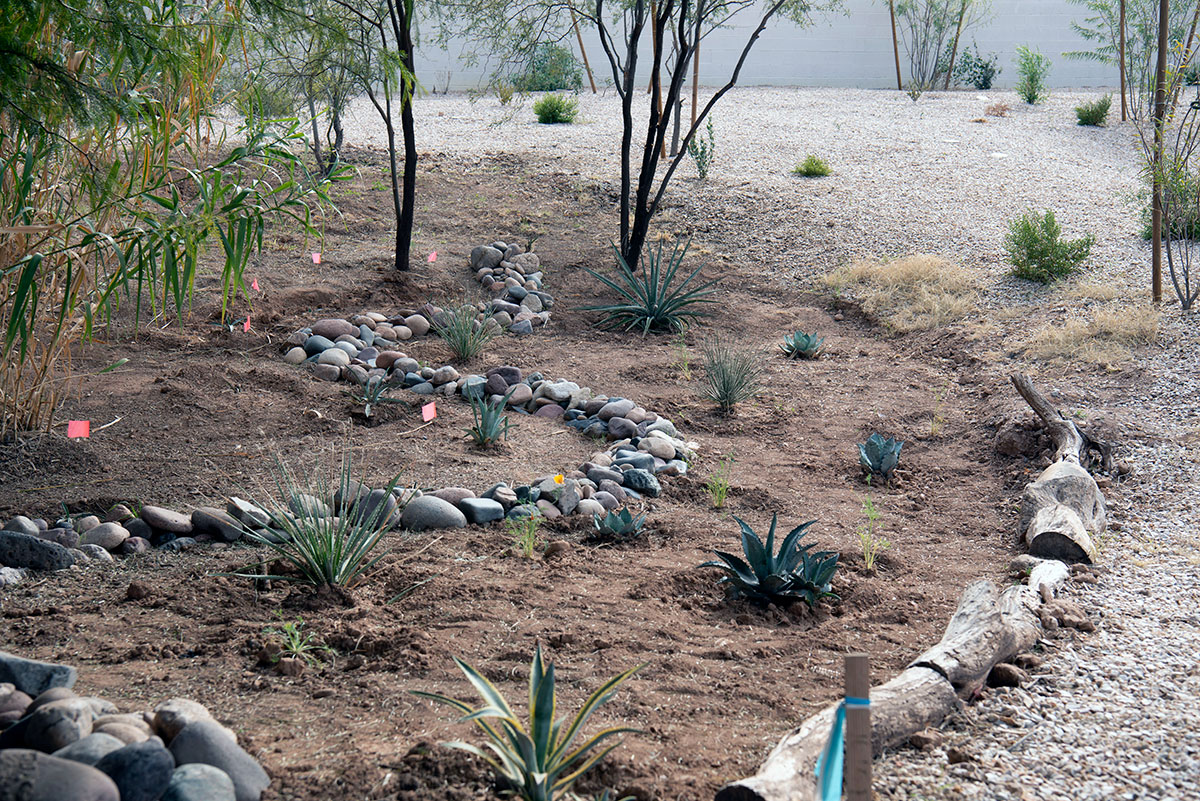
At the Community Garden, technician Jared Butler led tours and the Cultural Resources Department shared samples of traditional foods such as tepary beans, quail, mesquite smoothies, and chia seed pudding with pomegranate. Mesquite flour was also available.
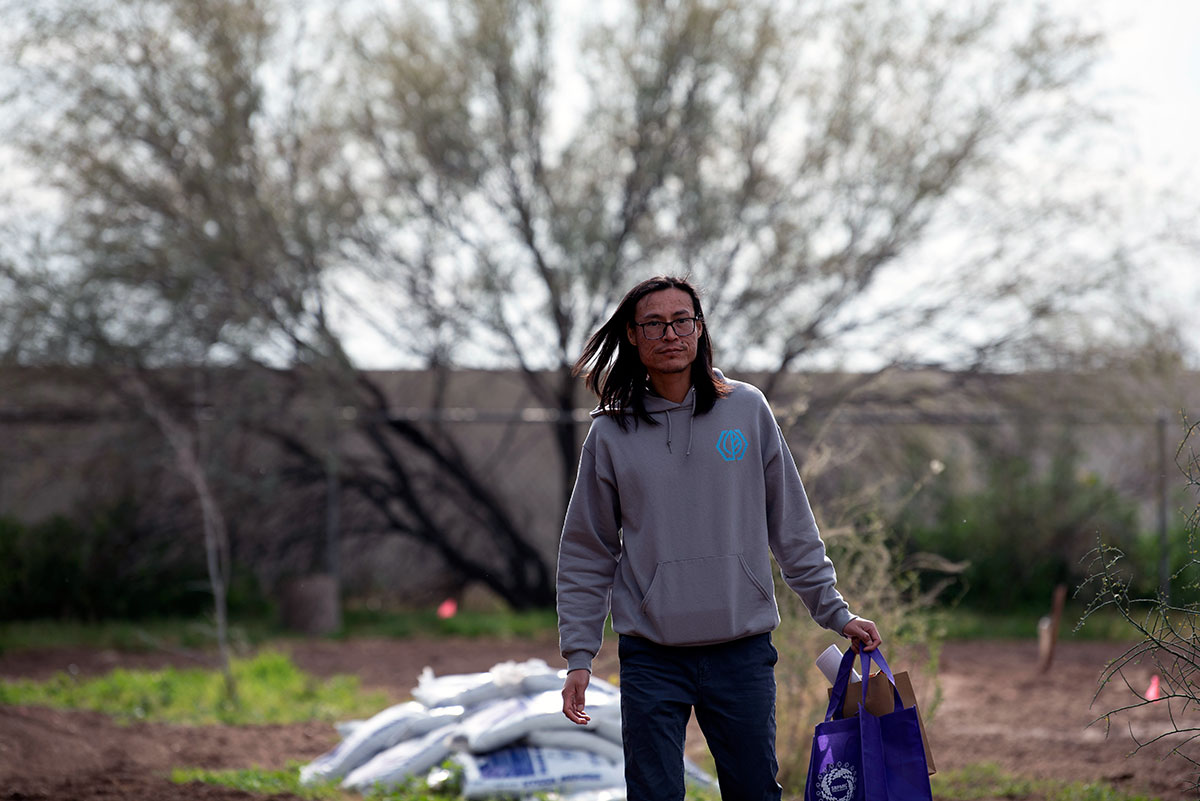
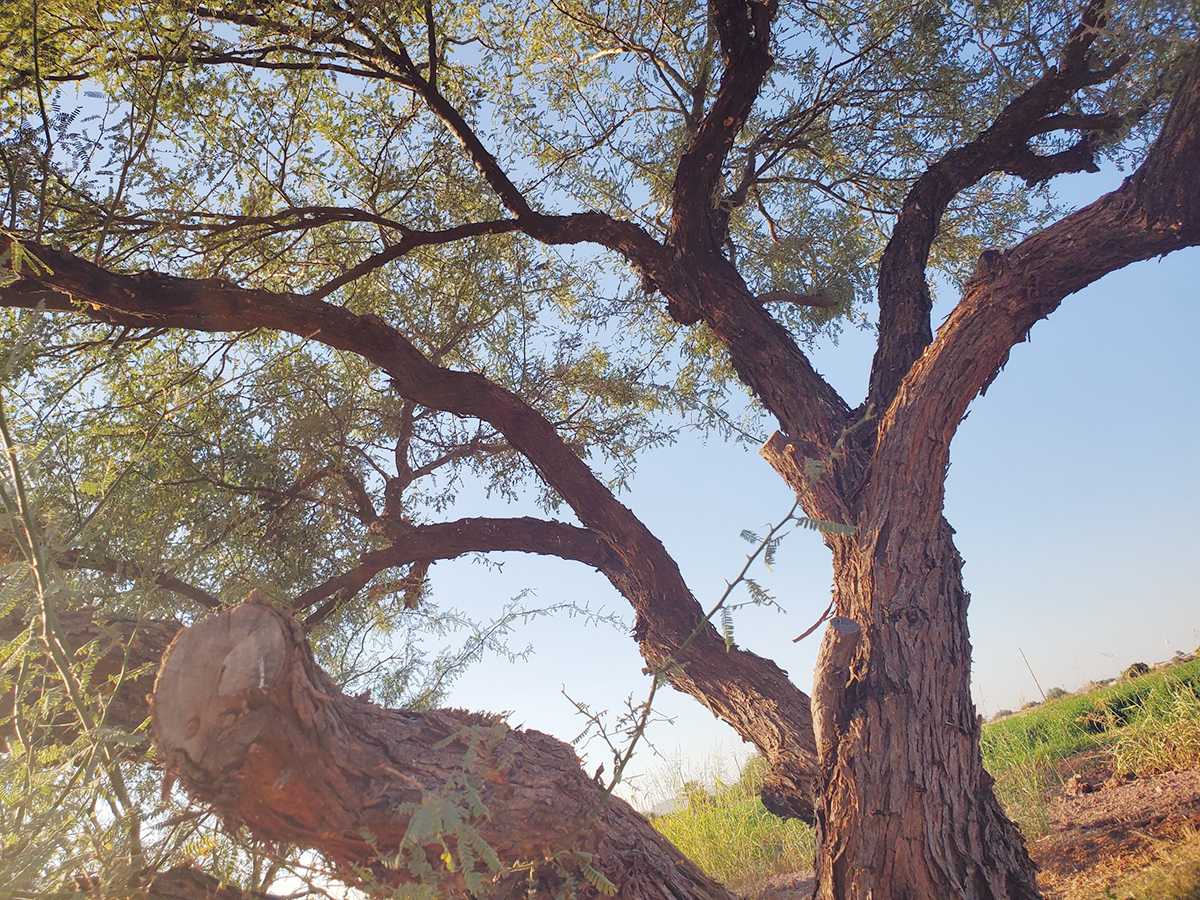
During the garden tours, Butler taught visitors about the traditional seeds planted by O’odham and Piipaash ancestors and what they were used for.
“I’m very happy and fulfilled at the end of the day that I’m helping to preserve the teachings of my ancestors and helping to keep these seeds,” Butler said. “They are only alive, and we only have them today, because we’re still farming them.”
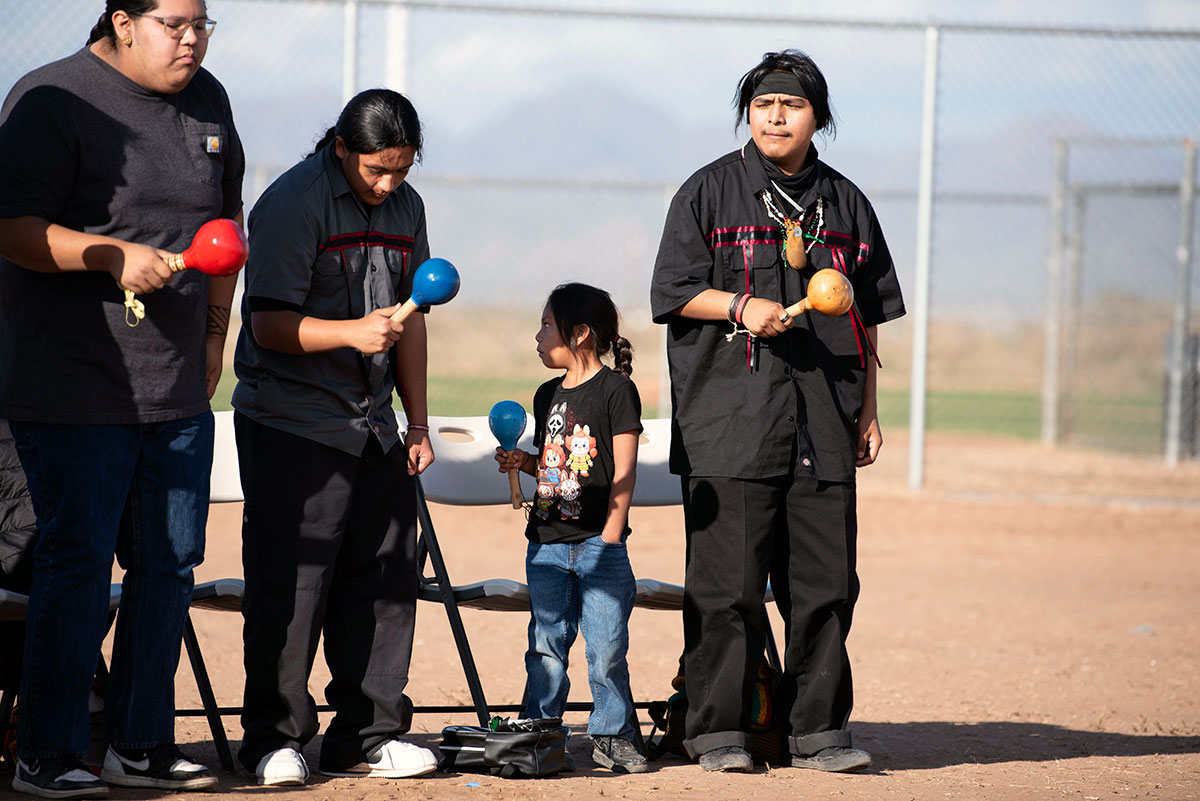
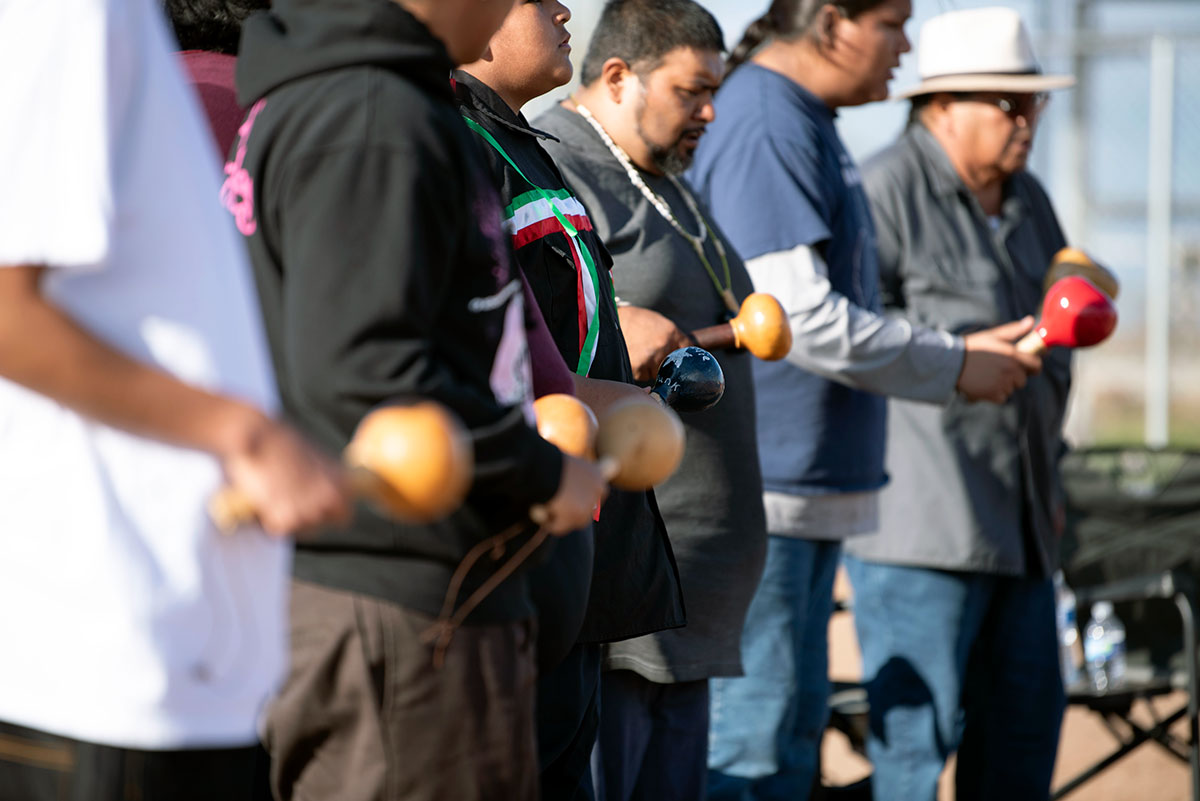
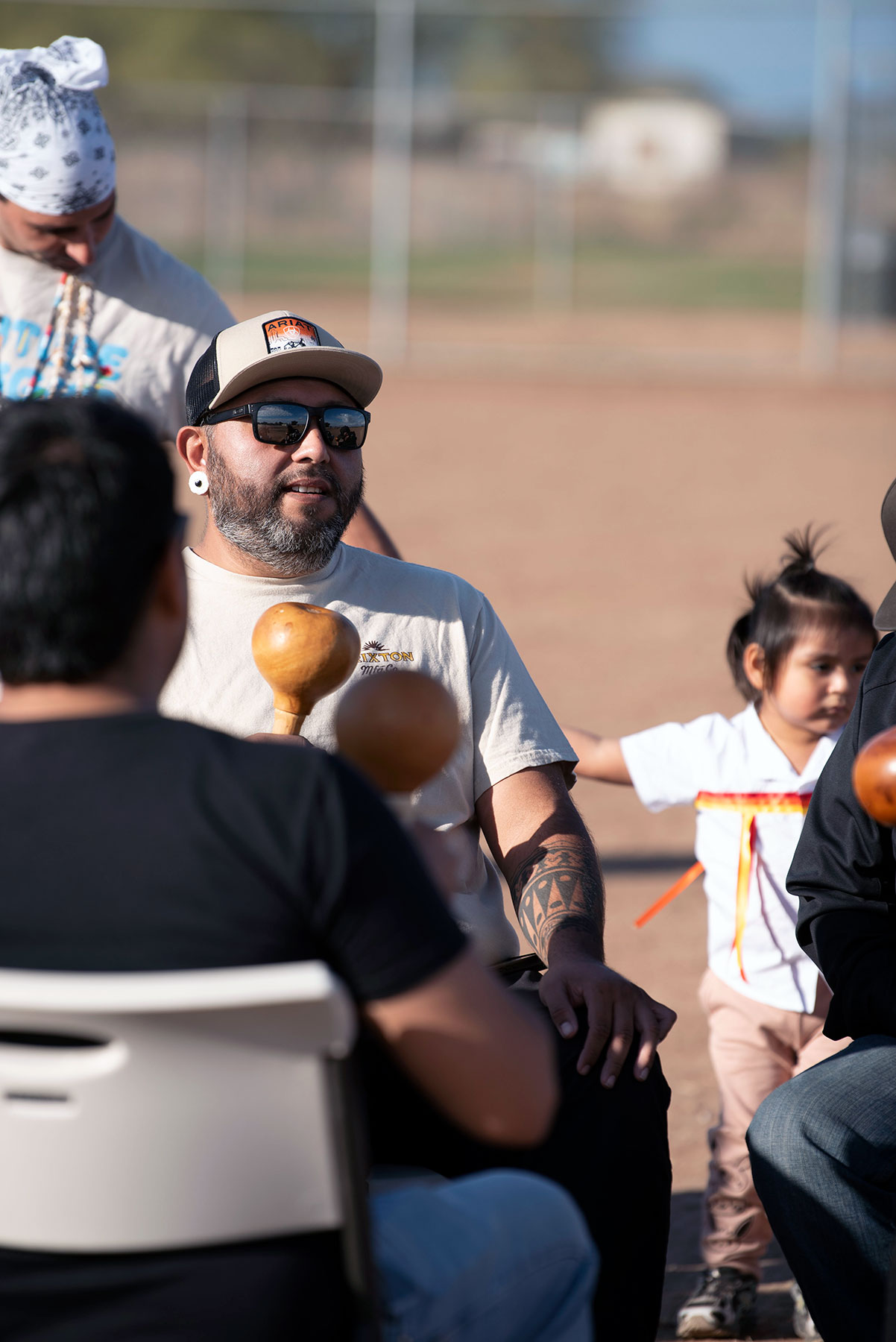
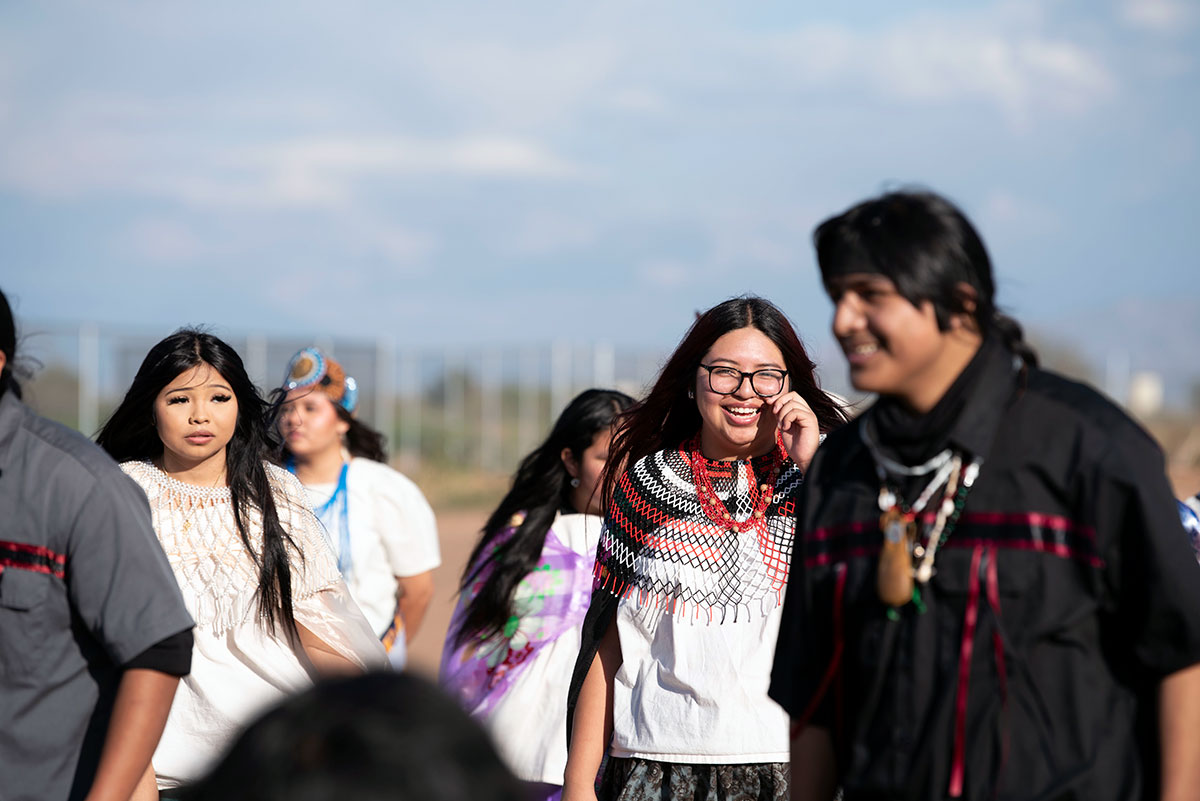
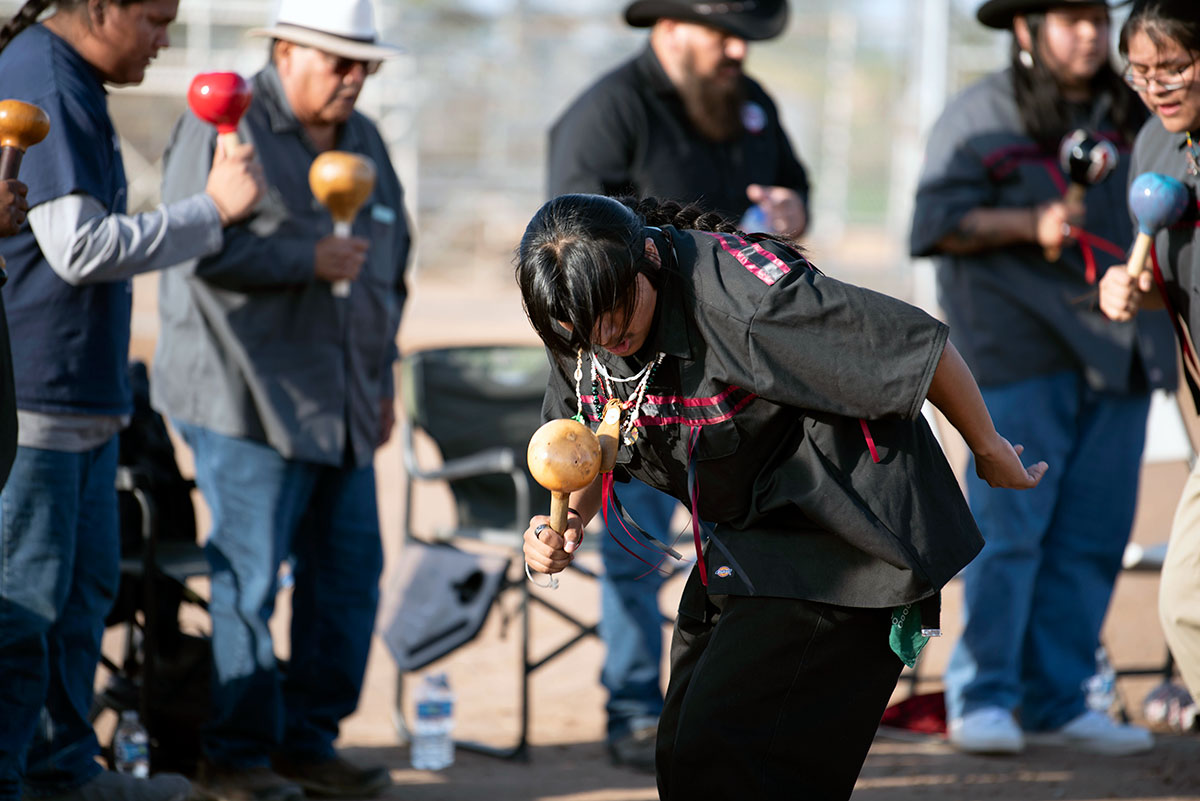
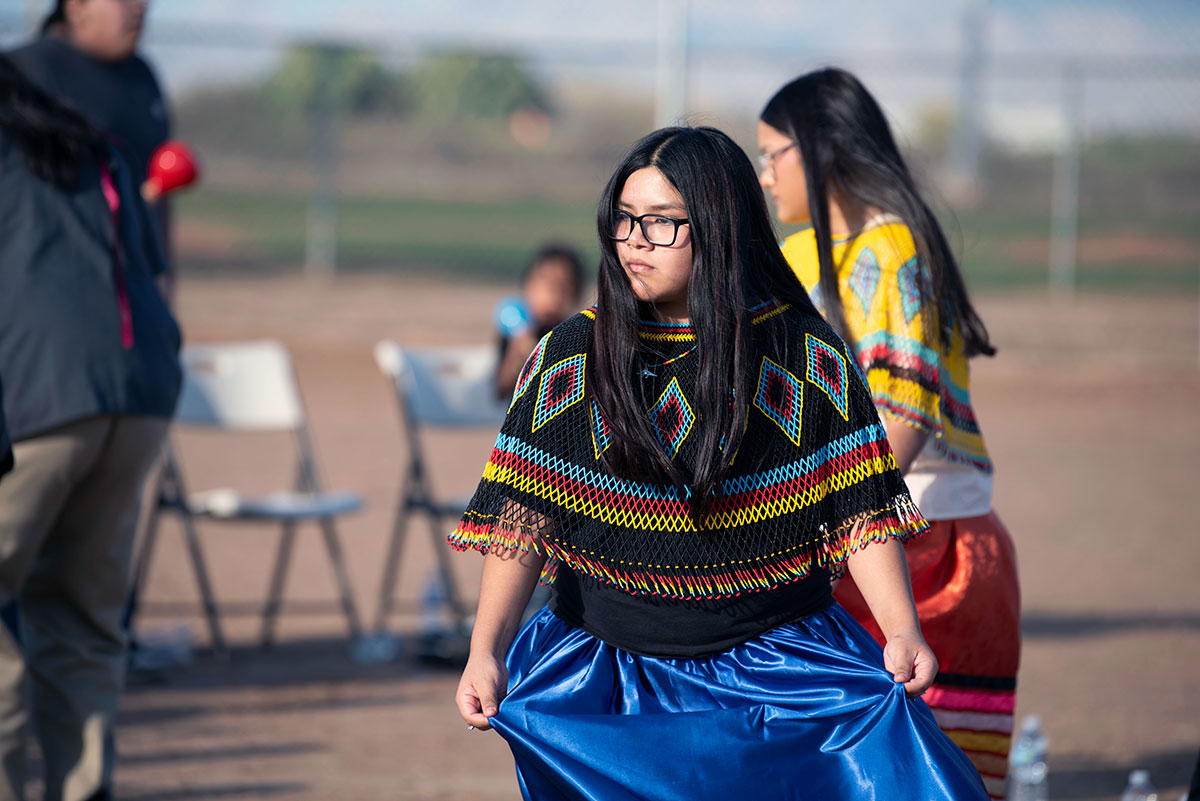
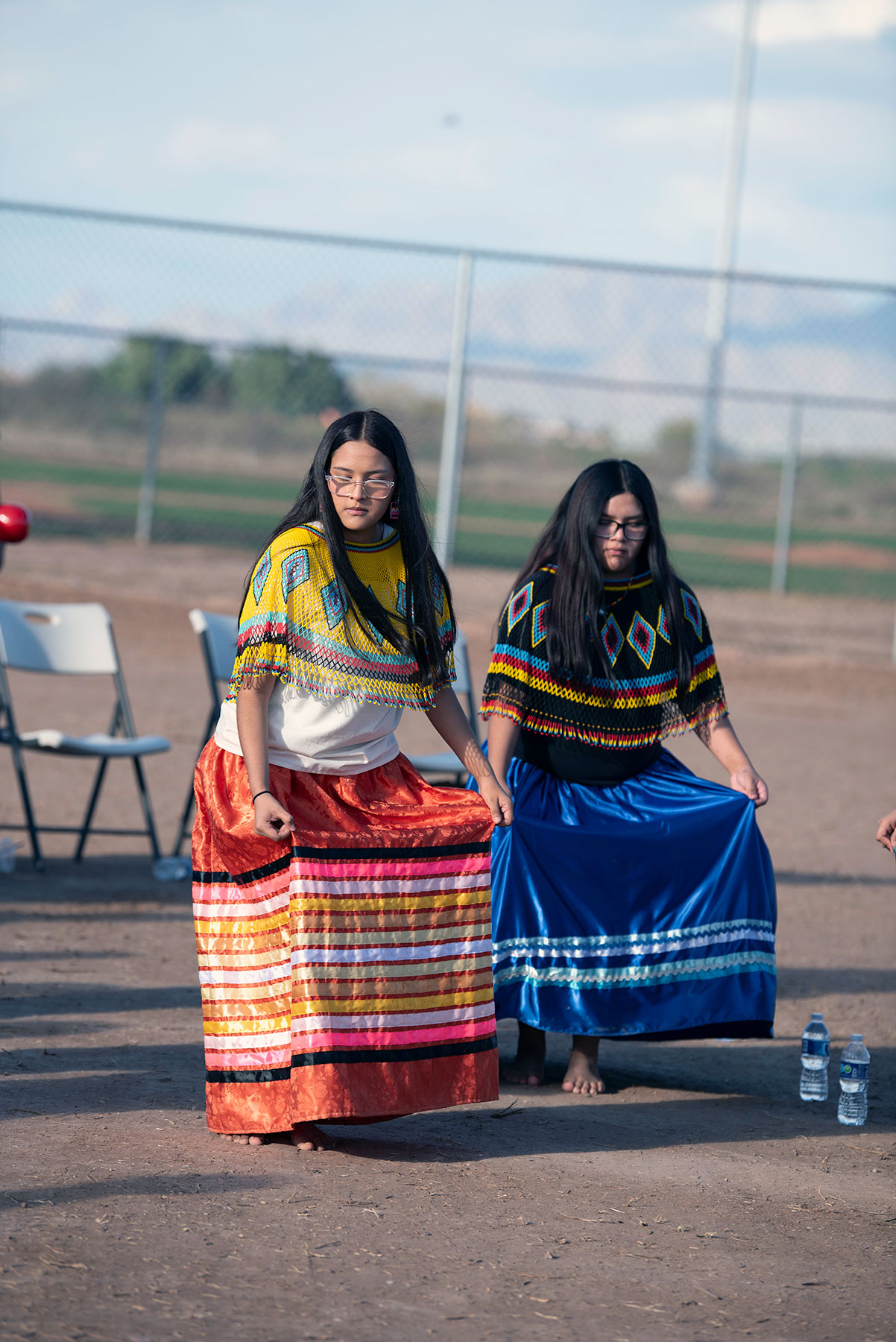
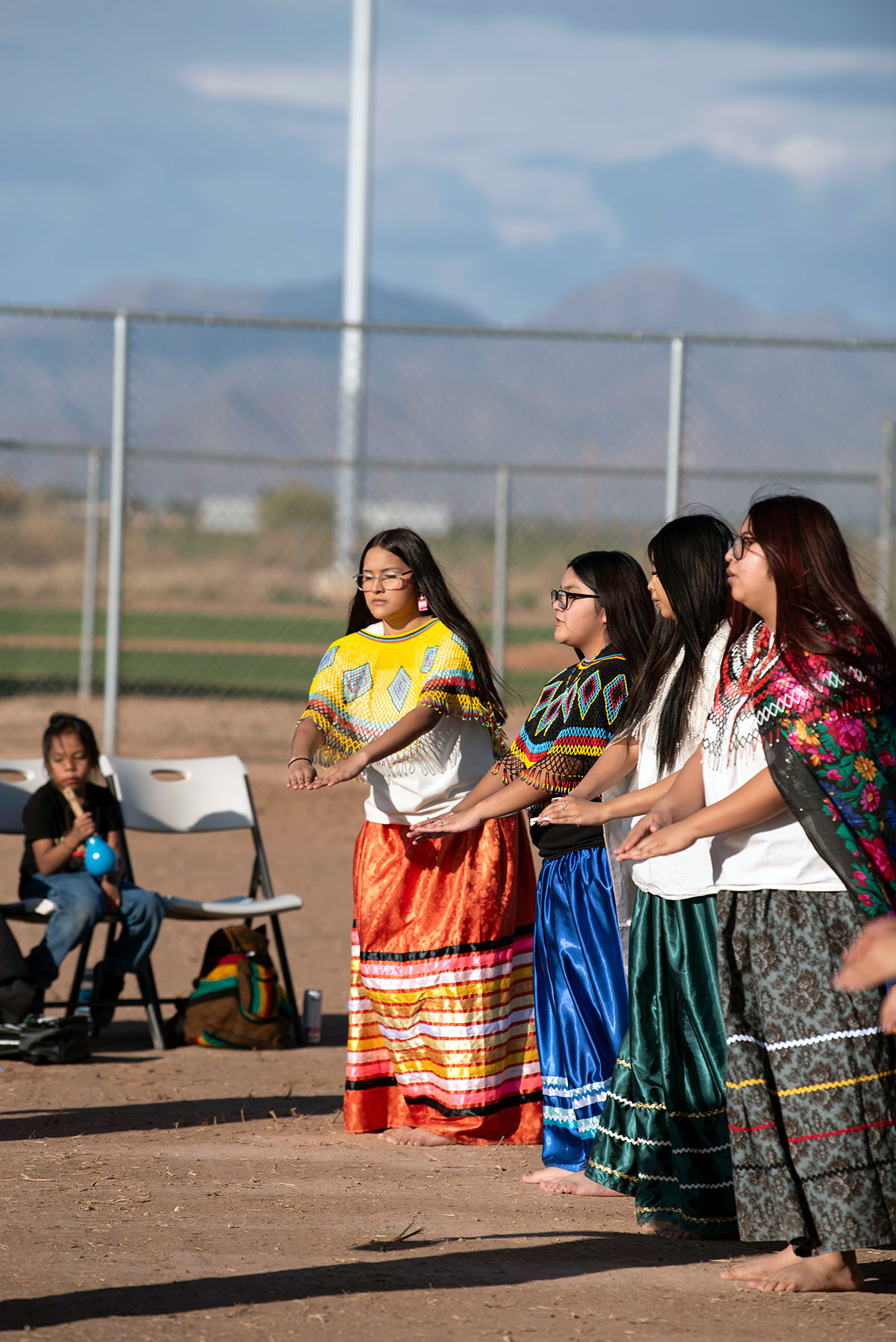
To end the day, traditional bird dancers and singers performed near the games field. A few feet away, people gathered in O’odham round dances, joyful as they moved in unison.
“[This celebration] shows that we are doing great work here, still revitalizing our culture,” said King.