VIEWS: 478
September 24, 2026The Importance of Seed Saving at the Sharing Our Way Gathering 2026
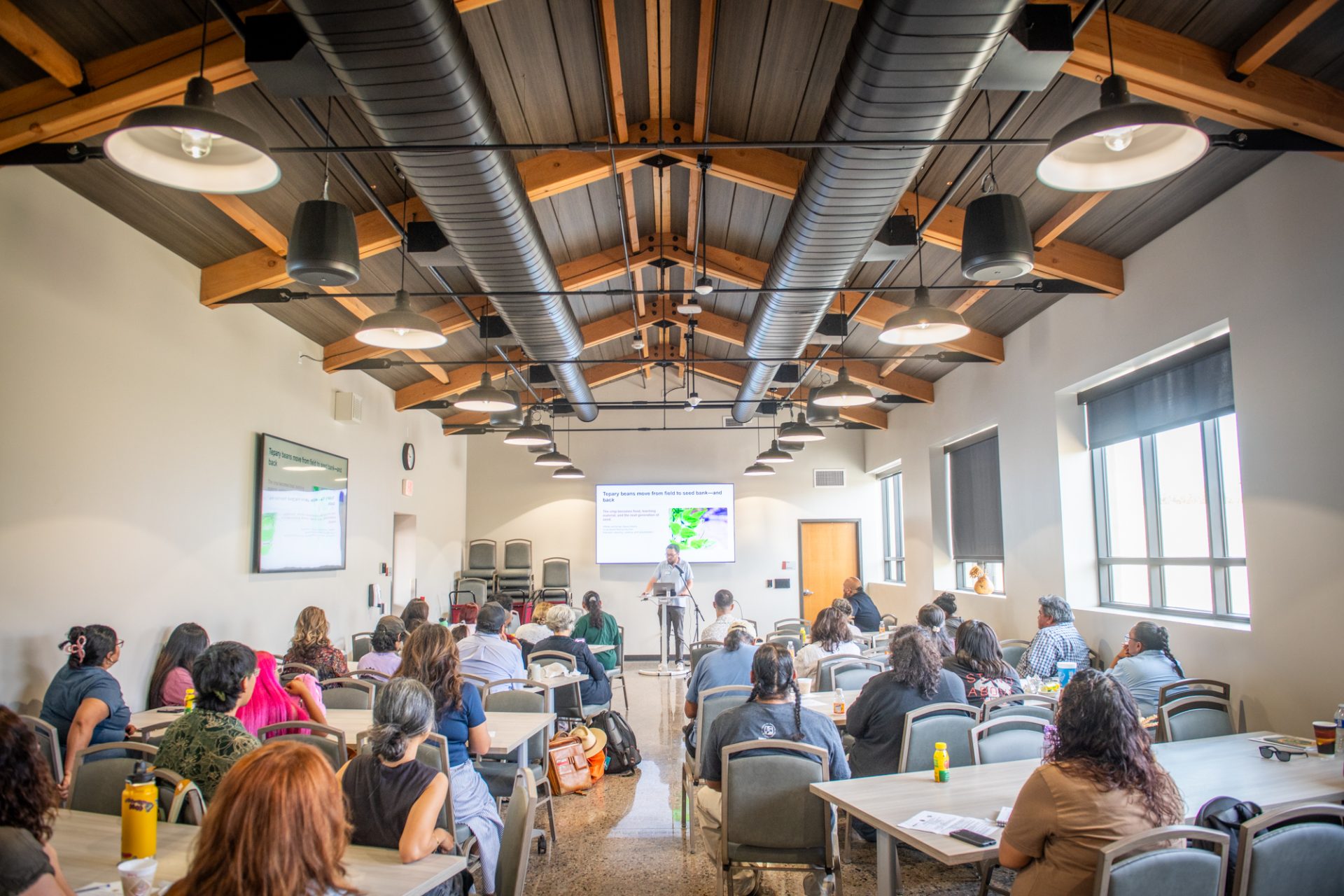
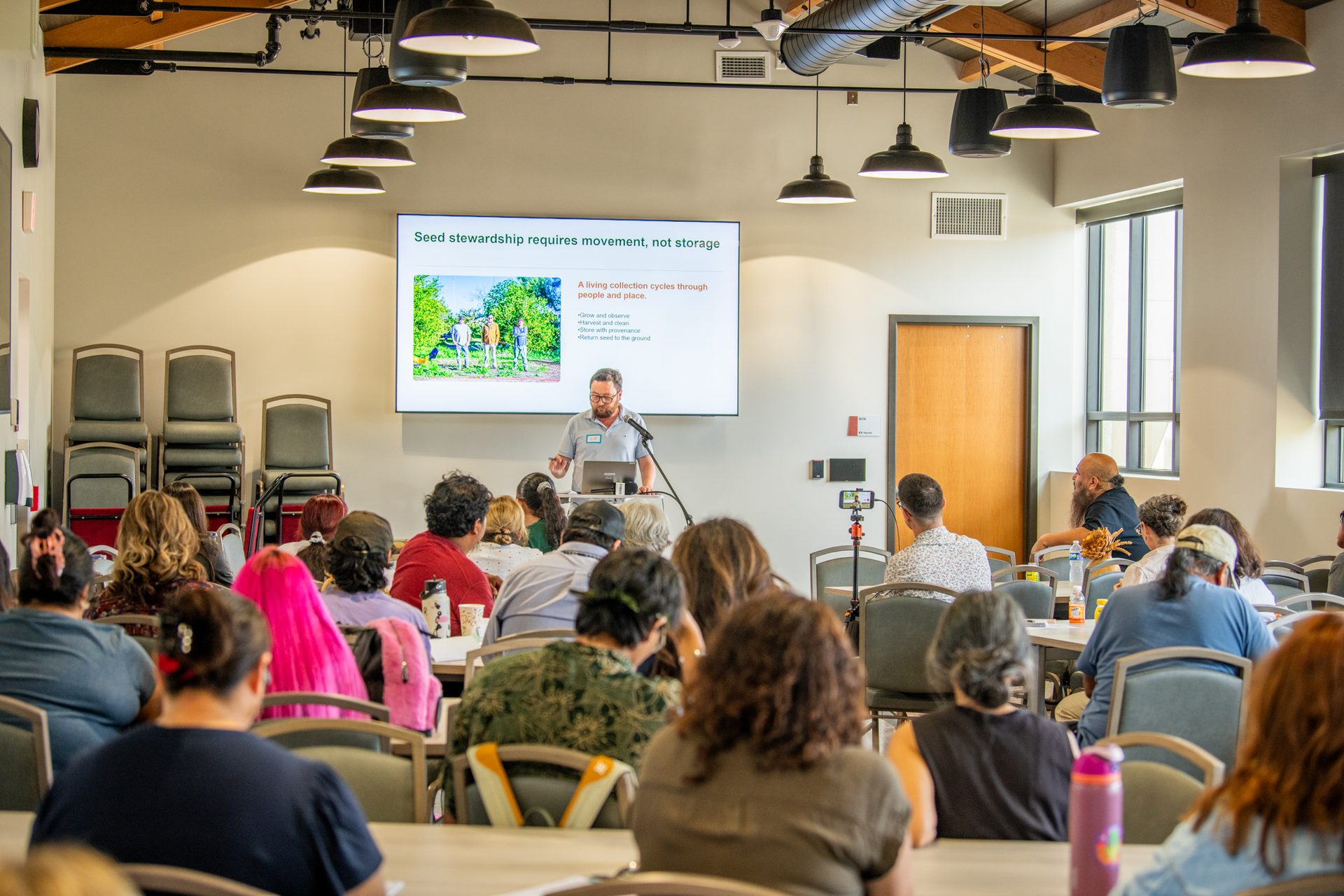
The Kavaḍ/Kushov Cultural Center was the perfect place for the Sharing Our Way Gathering 2026, a full day of community partners sharing the importance of seed saving and cultural strategies for seed stewardship.
Native Seeds/SEARCH, a seed bank and conservation nonprofit, was welcomed to the Community on Aug. 28 in a continued partnership with the Salt River Pima-Maricopa Indian Community’s Cultural Resources Department.
Participant support for the event was provided by the Arizona State University Swette Center for Sustainable Food Systems.
The agenda for the day was packed with opportunities for participants to learn about a variety of cultural practices that might be helpful to one another.
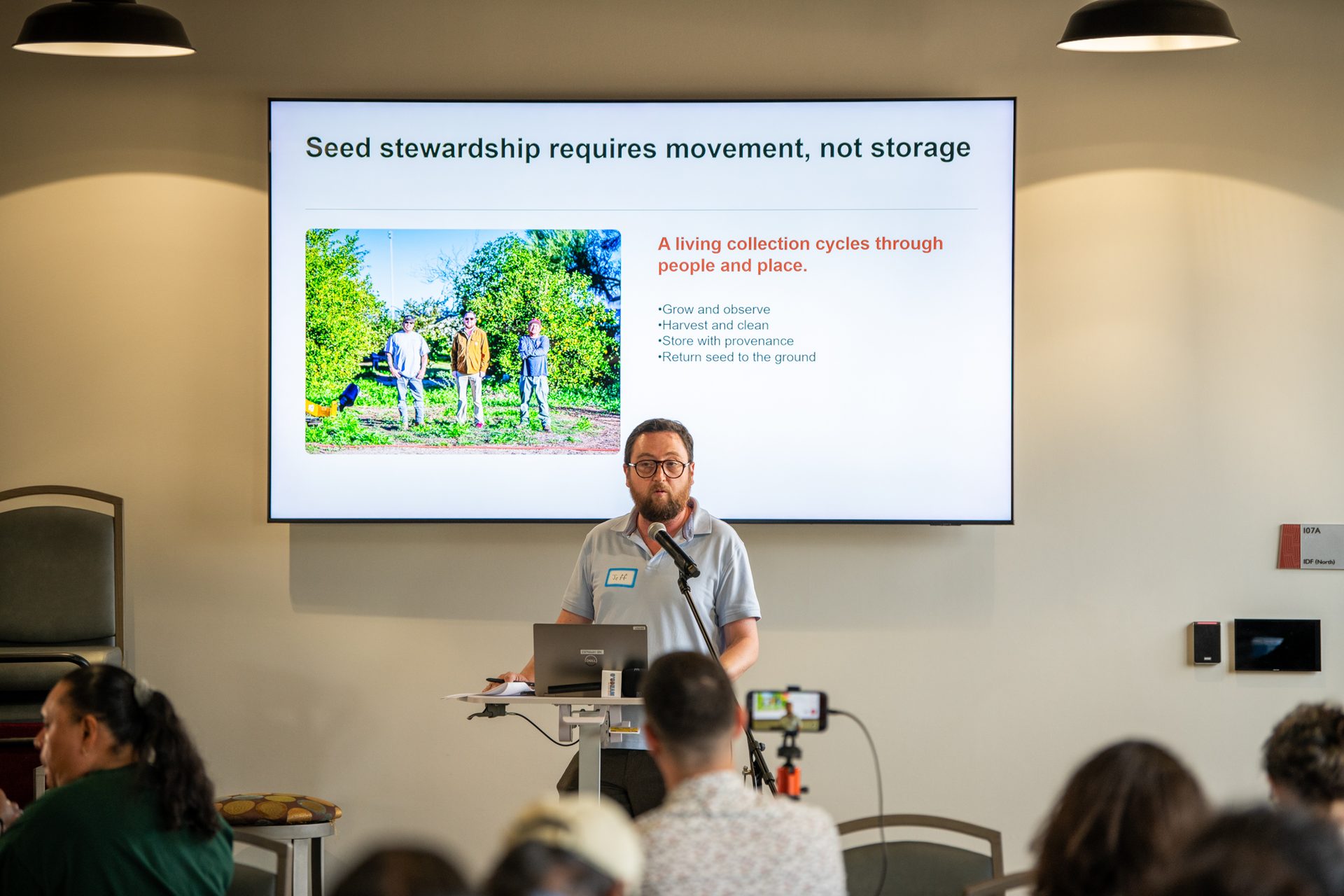
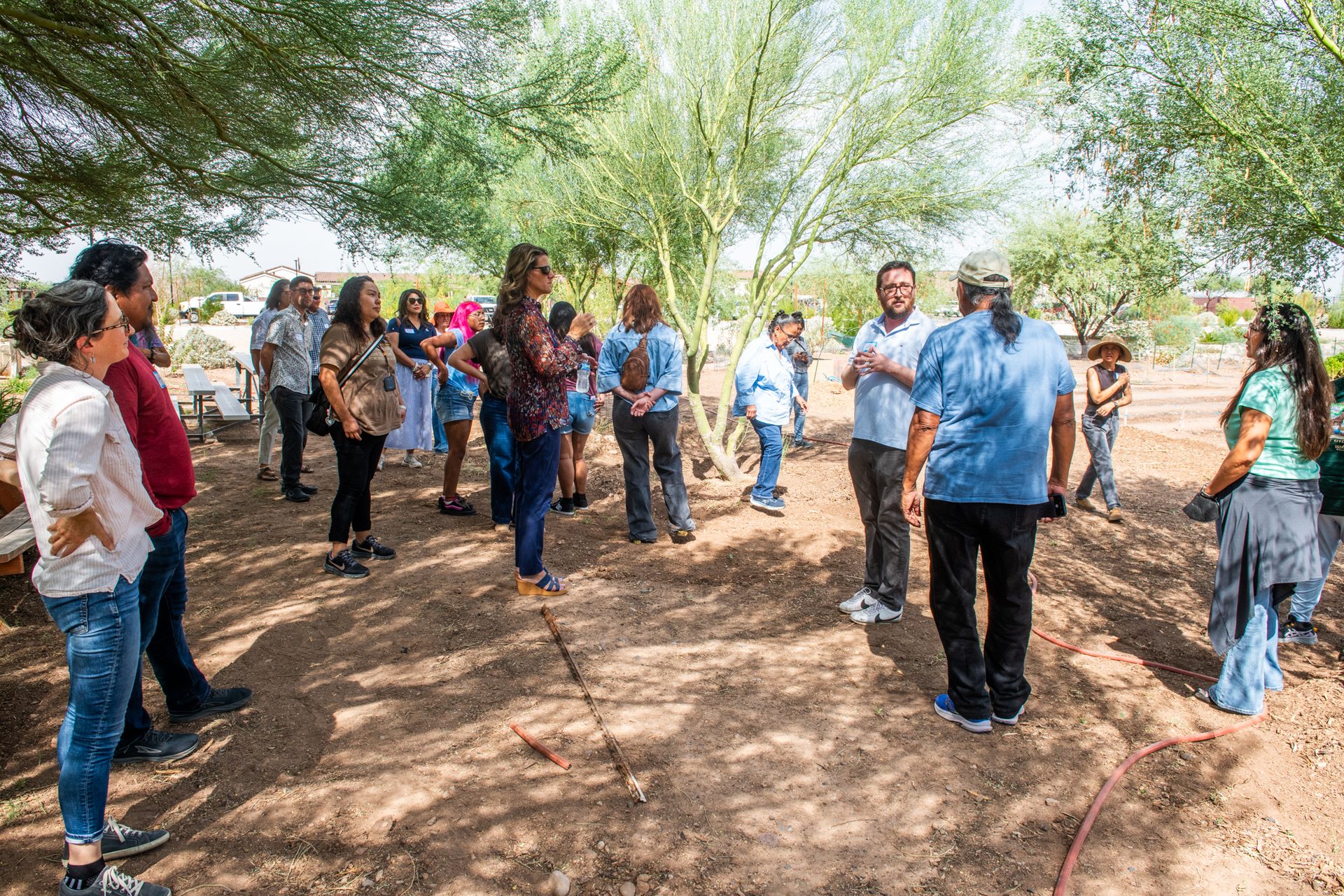
“This is a gathering that brings together stakeholders who are involved in seed stewardship, including other tribal entities, the University of Arizona, Community members, anybody that’s involved in preserving, stewarding and working with traditional seeds and Indigenous culture is basically here today networking, getting to know each other better and seeing how we can work together as a community,” said SRPMIC Community Garden Supervisor Jeffrey Wilson, who later gave a brief tour of the garden in the sweltering heat.
Wilson said this is hopefully the beginning of a larger partnership with more potential gatherings in the future. Native Seeds/SEARCH staff brought different topics and perspectives, including new things happening at their location in Tucson and seed saving.
“Seed saving is a community effort,” said Native Seeds/SEARCH Seedbank Manager Helena Gonzales.
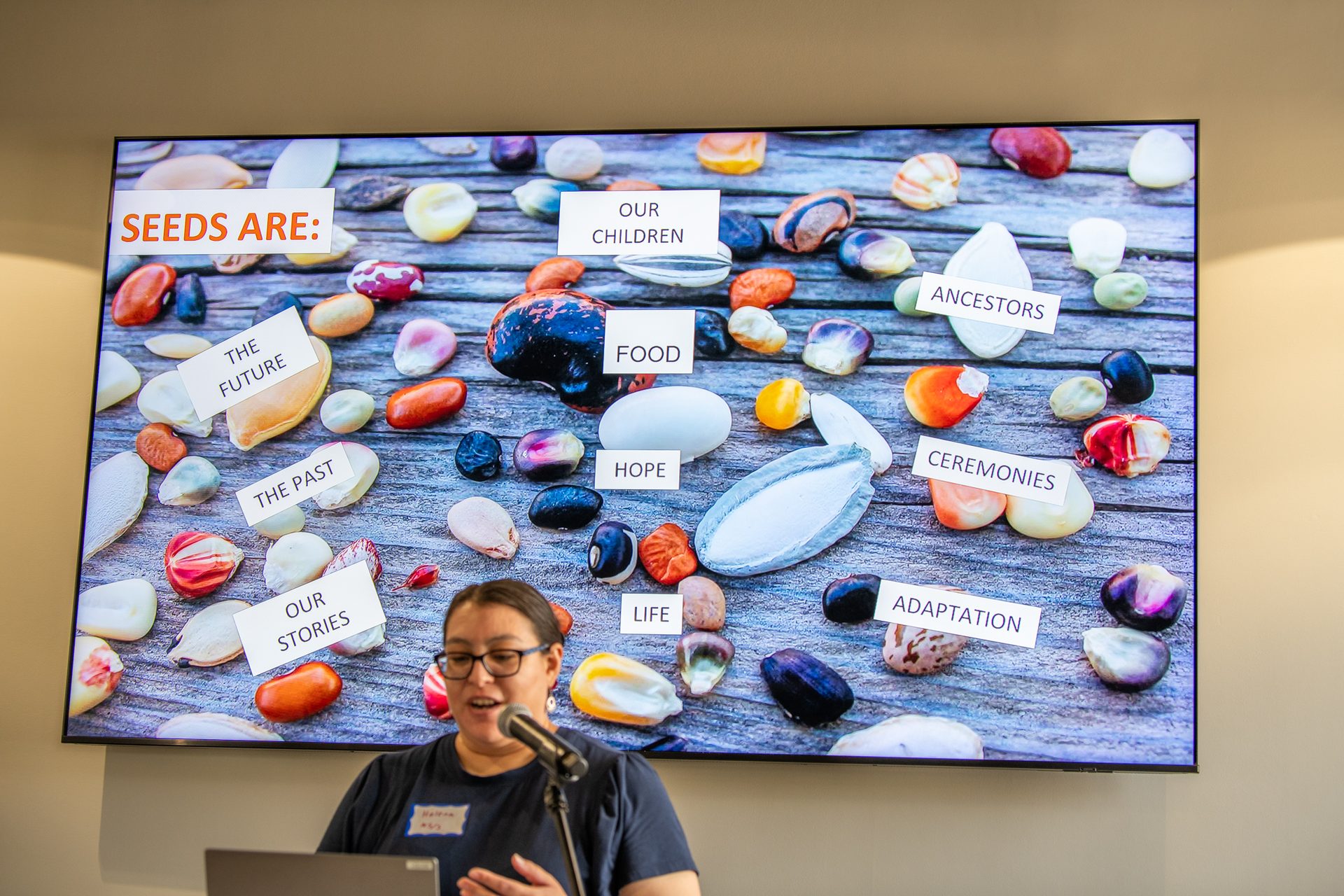
“A lot of seed-saving projects happen when people share and get together. These kinds of events are exactly where collaboration and that spark for community growth and inspiration comes from.”
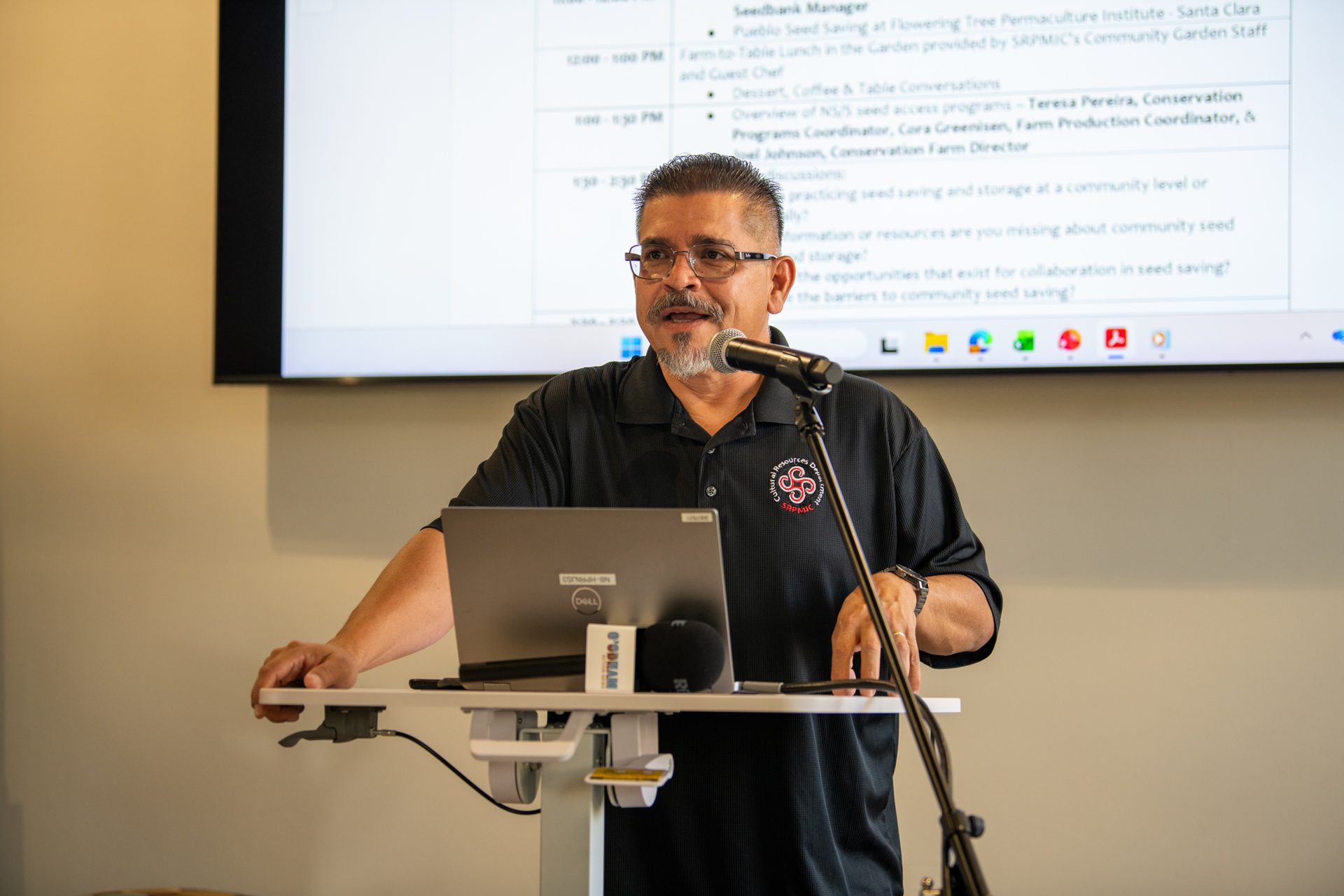
SRPMIC Council member and NS/S Chair Jacob Butler, who previously worked at the SRPMIC Community Garden, welcomed participants to the event. He talked about the importance of the Community having its own seed bank and how partnerships like the one with NS/S can help save vital cultural seeds passed down from past generations.
“We were talking about how NS/S and Salt River can do more, how we can collaborate and how we can get some of their expertise up here in the Valley, and how NS/S doesn’t just represent a small locality, but the whole Southwest and even into Mexico,” Butler explained.
“How do we reach people and how do we make meaningful contributions and connections so that it’s not just NS/S, it’s all of us working together to create a better, stronger more protected community that’s dedicated to the care and preservation of these seeds?”
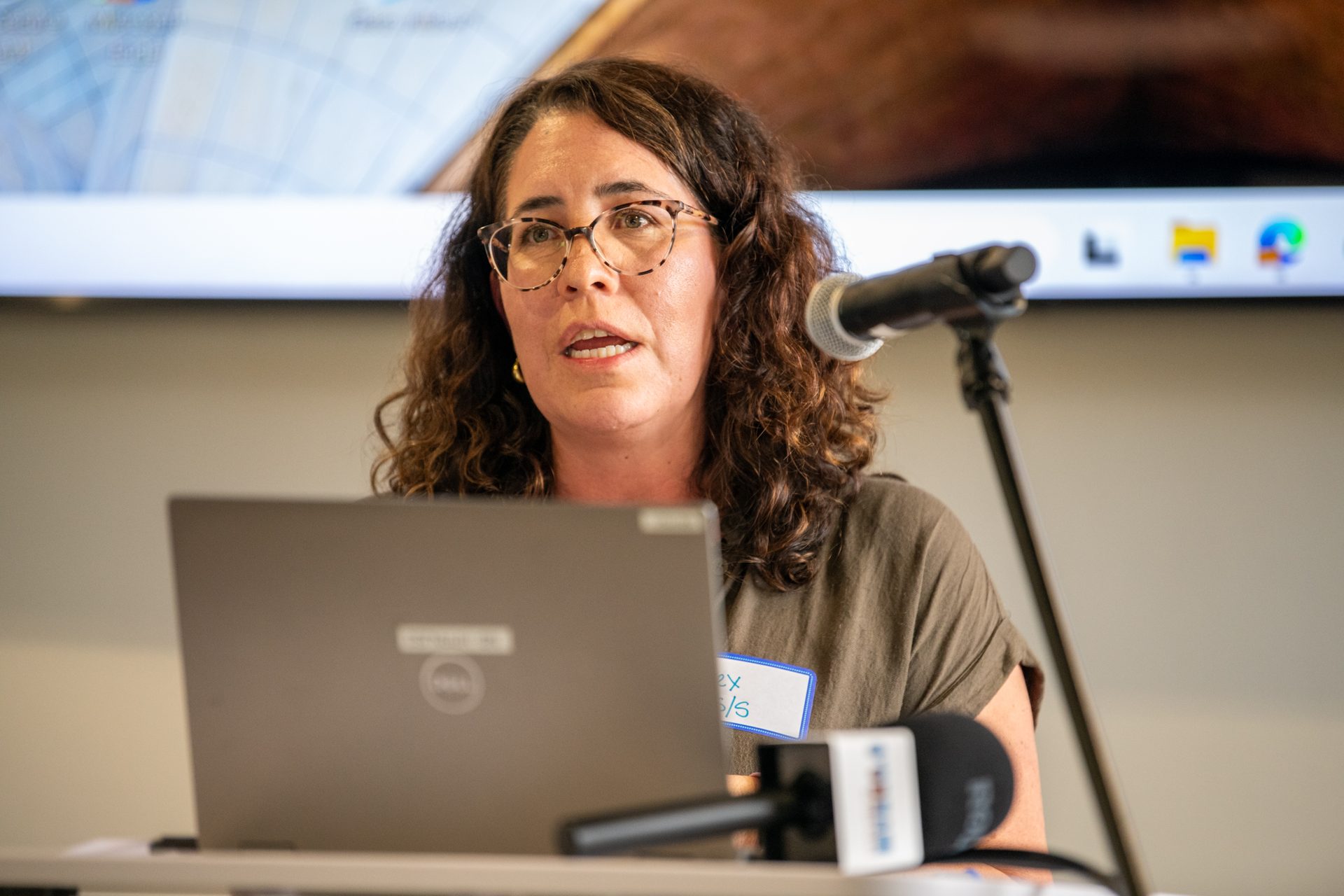
CRD Director Kelly Washington followed Butler with more information about the history of the Community. Other NS/S speakers included Interim Director Alexandra Zamecnik, Conservation Programs Coordinator Teresa Pereira, Farm Production Coordinator Cora Greenisen and Conservation Farm Director Joel Johnson.
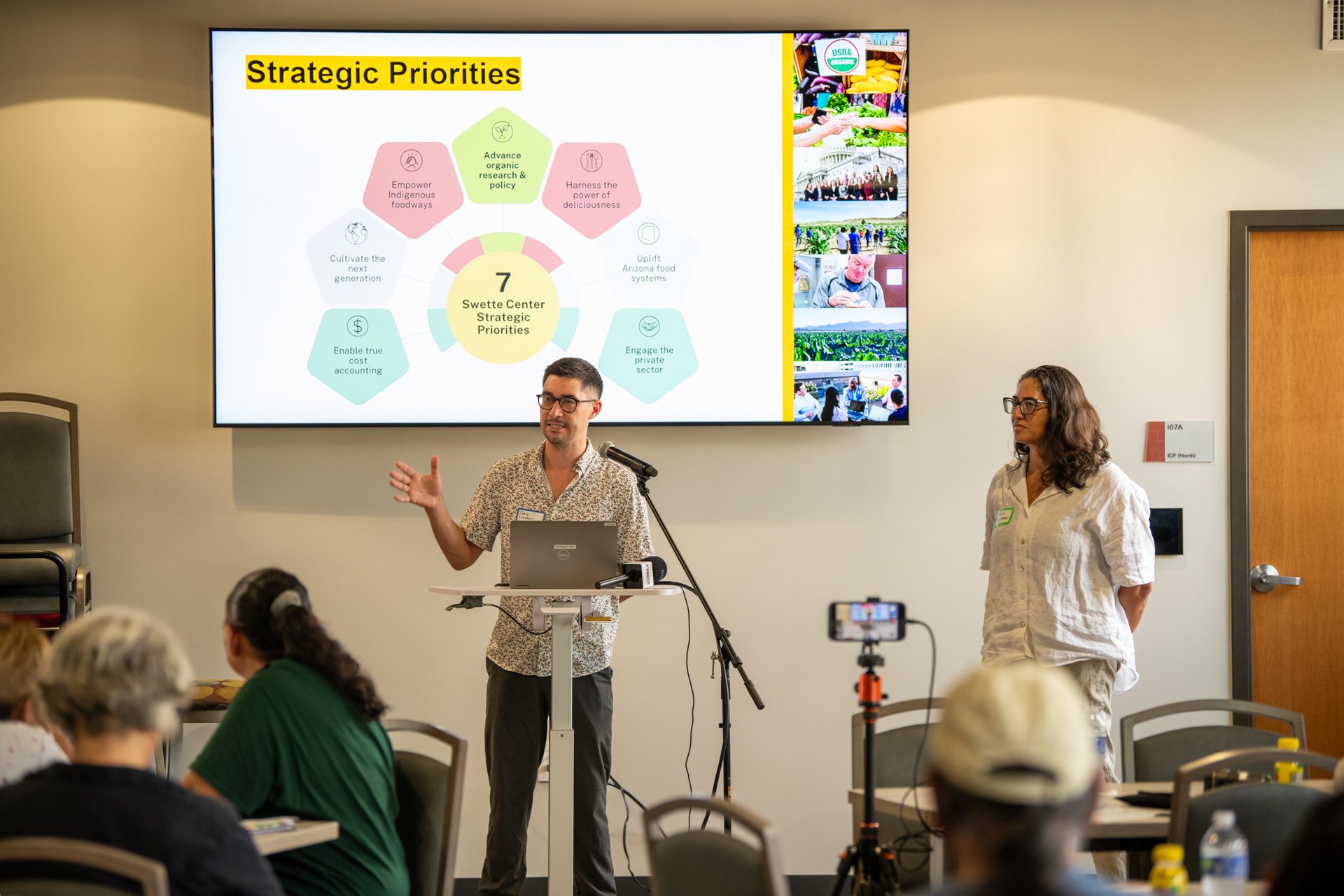
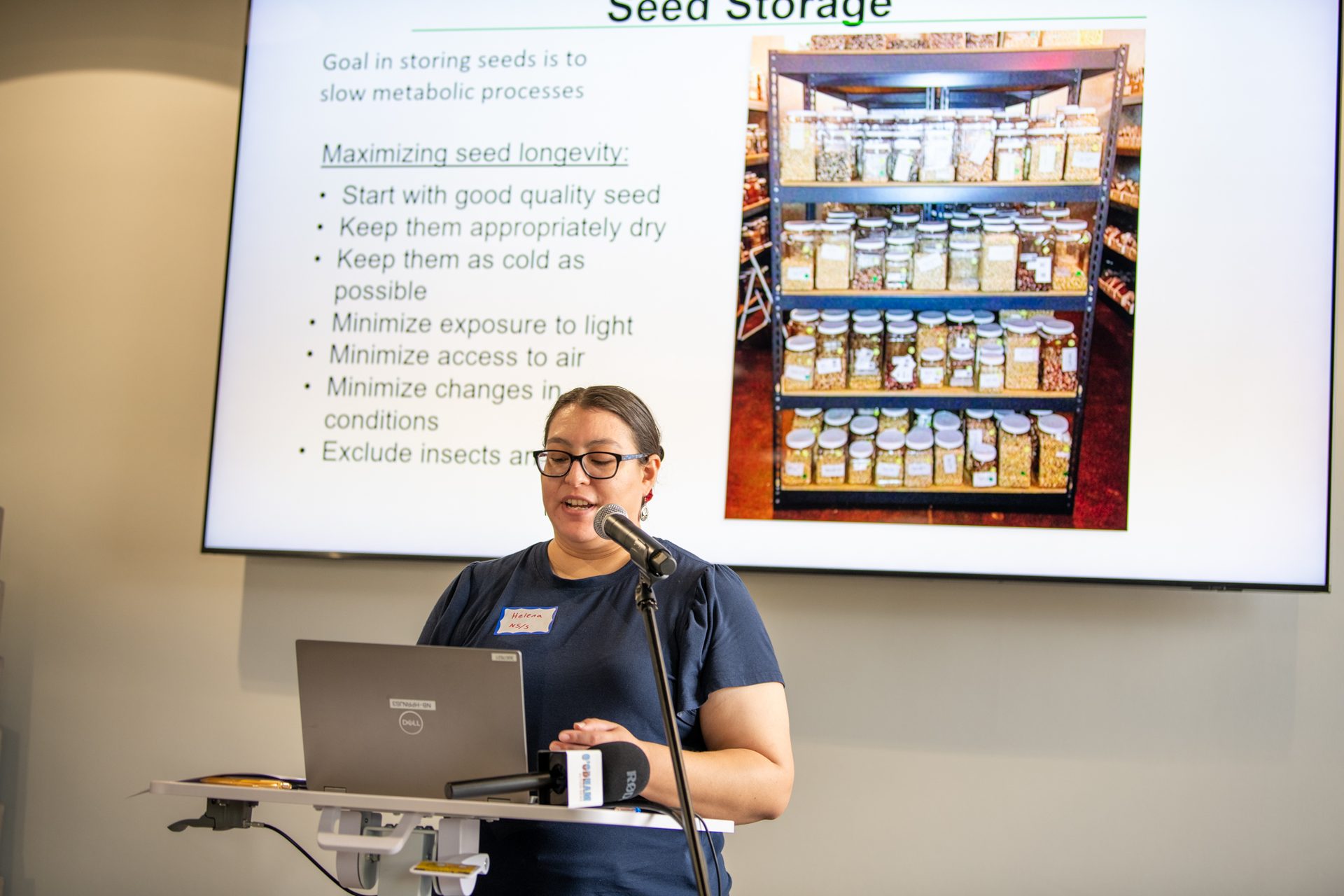
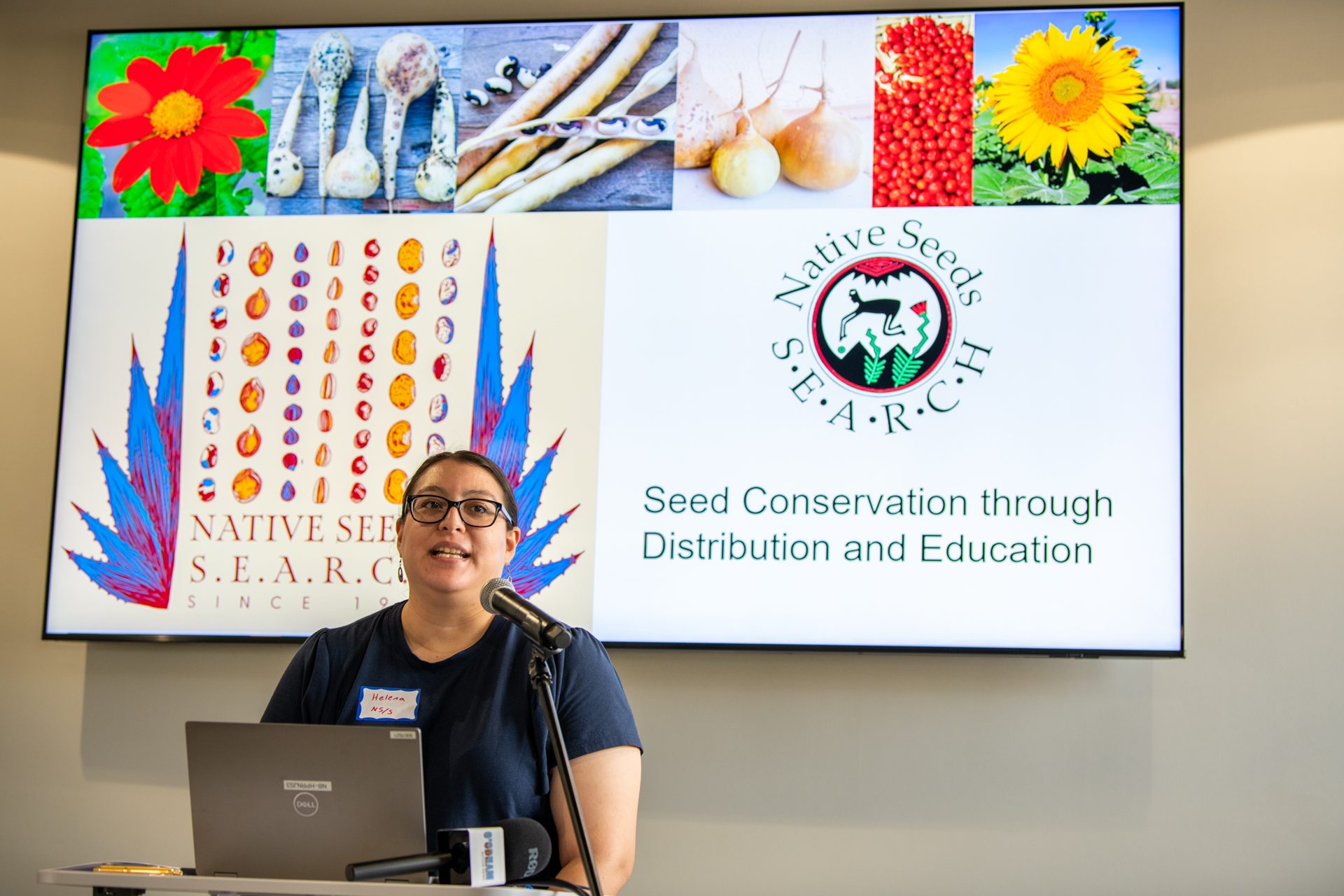
ASU Swette Center speakers were Deputy Director and Research Associate Christopher Neubert and Assistant Research Professor Sara El-Sayed.
Later, participants divided into small groups for discussions about the opportunities for (and barriers to) community seed saving.
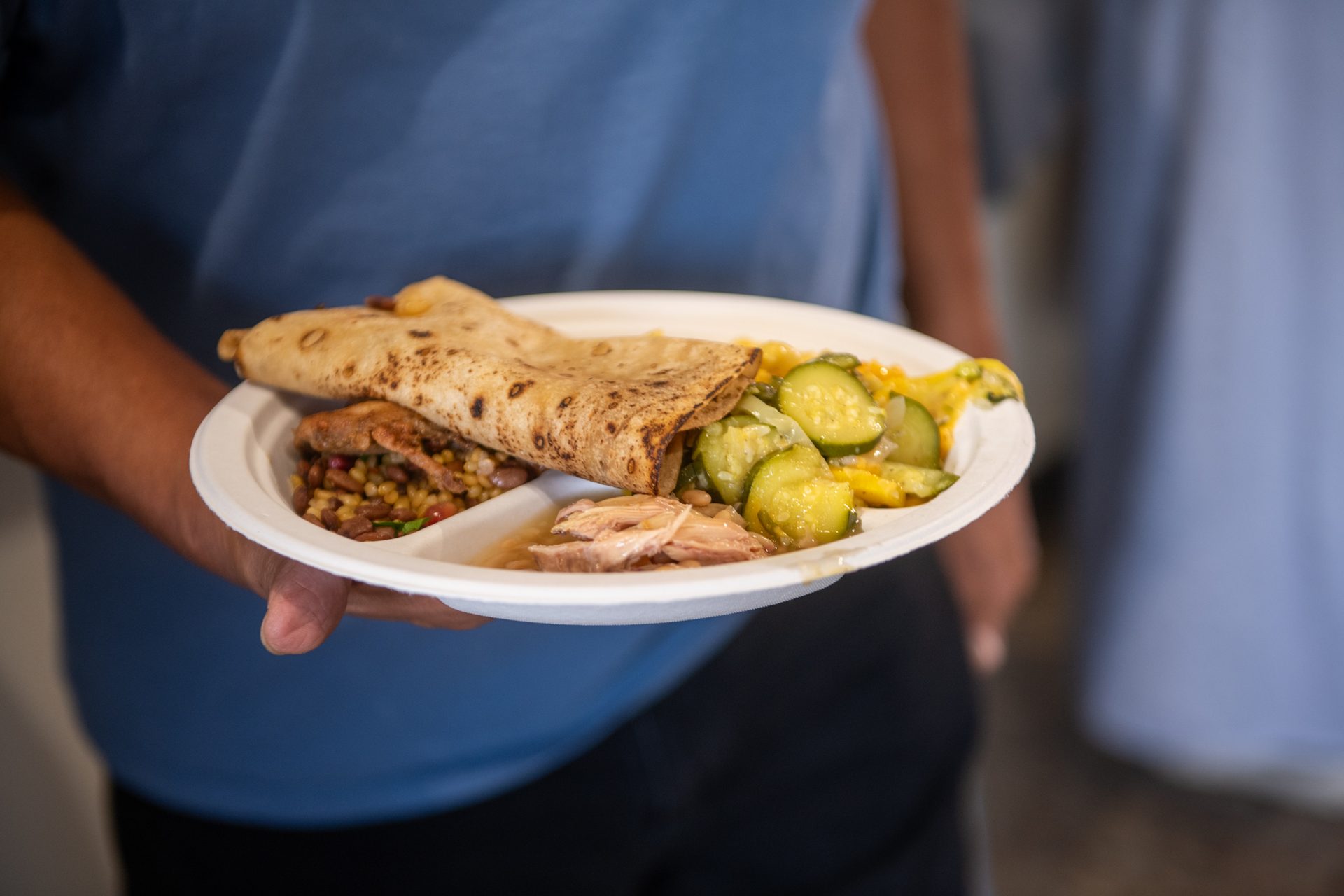
By the end of the day, hungry bellies were full of delicious traditional food like squash, white tepary beans and rabbit, brown tepary beans and quail with wheat berries, and cemait/modiily. Staff from Cultural Resources and the Nutrition Services team helped cook the food. Fig leaf tea and passionflower tea were served as refreshments.