VIEWS: 684
September 3, 2026Leadership Says Prediction Markets Negatively Impact Tribal Gaming and Sovereignty
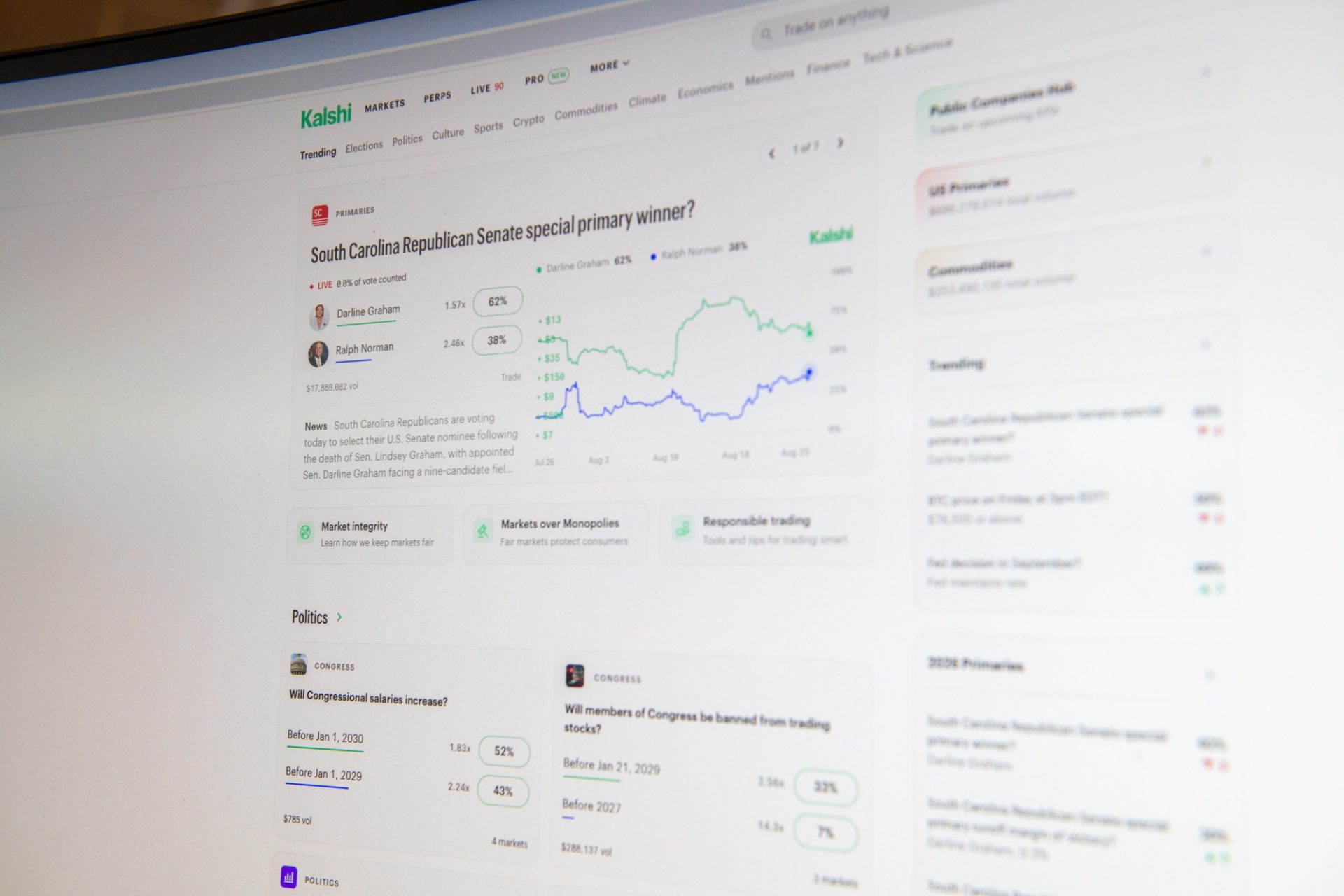
Prediction markets launched in the past decade like Kalshi and Polymarket are relatively new markets where people can place bets on future outcomes like weather patterns, military conflicts, sports matches, legislative results and much more.
To put this in perspective, Kalshi’s website has a search feature where they claim you can “trade on anything.”
However, the Salt River Pima-Maricopa Indian Community and other tribal communities are concerned about the effect that prediction markets have on tribes, in particular on tribal gaming and sovereignty.
“What prediction markets are doing is coming in and taking; they are not actually providing anything to the tribes or even to the state where these prediction markets are happening,” SRPMIC President Martin Harvier told O’odham Action News.
“As tribal leaders here in Salt River, we’re going to do our best to get out and voice our concerns about it. And it’s not just us; I think all tribes are concerned about the prediction markets.”
3 Takeaways:
- SRPMIC leaders are engaging with Congress and other tribal leaders about how prediction markets are harming tribal communities.
- President Harvier says the markets, which operate in Arizona with different rules than gaming tribes, are an attack on tribal sovereignty.
- States and the Commodity Futures Trading Commission battle over the legality of prediction markets.
SRPMIC leaders and lobbyists are currently engaging Congress and other tribal leaders about this topic. In July, Harvier and Legislative Affairs Assistant Gary Bohnee from the Office of Congressional and Legislative Affairs joined tribal leaders from across the country to urge Congress to act on the sports-betting activity of the prediction market industry.
“The latest report that we [saw indicates that the prediction market] was over a $1 billion hit to tribal gaming,” said Harvier.
If gaming operations lose money to these markets, Harvier said this could impact infrastructure and programs for Community members that otherwise would have to be provided through grants.
Harvier said Arizona tribes that have gaming have worked hard to secure agreements and compacts with the state.
“When an individual can actually be on our reservation around our tribal community and be able to get on their device and place a bet, we don’t allow it as a tribal government. Anything that we’re allowed to do as far as gaming has to be approved through the compacts that the tribes agreed to,” said Harvier.
“For that to happen, that really is an attack on tribal sovereignty.”
Under the Arizona Tribal-State Gaming Compacts, tribes with casinos contribute a percentage of their gaming revenue each year to the state, cities, towns and counties for community services and public safety programs for local governments. The SRPMIC 12% Gaming Grant Program is a requirement of the compacts.
In March, Arizona Attorney General Kris Mayes filed criminal charges against the companies behind the Kalshi prediction markets platform, claiming they are operating an illegal gambling business in Arizona without a license, as well as operating election wagering.
The Commodity Futures Trading Commission and the Department of Justice in turn sued Arizona in April to stop the state from criminally prosecuting Kalshi. President Trump’s appointed chair of the CFTC, Michael Selig, has sided with prediction markets versus states, filing lawsuits against Arizona, Connecticut, Illinois, New York and Wisconsin.
The attorney general’s case was blocked by a federal judge who concluded that, because the prediction market companies and event contracts are exclusively regulated by the Commodity Futures Trading Commission, federal law preempts state law.
Note: This remains a shifting situation with new developments emerging since our initial report.