VIEWS: 1228
May 12, 2026Governor Katie Hobbs Tours Recovery and Cultural Centers, Meets with Tribal Council
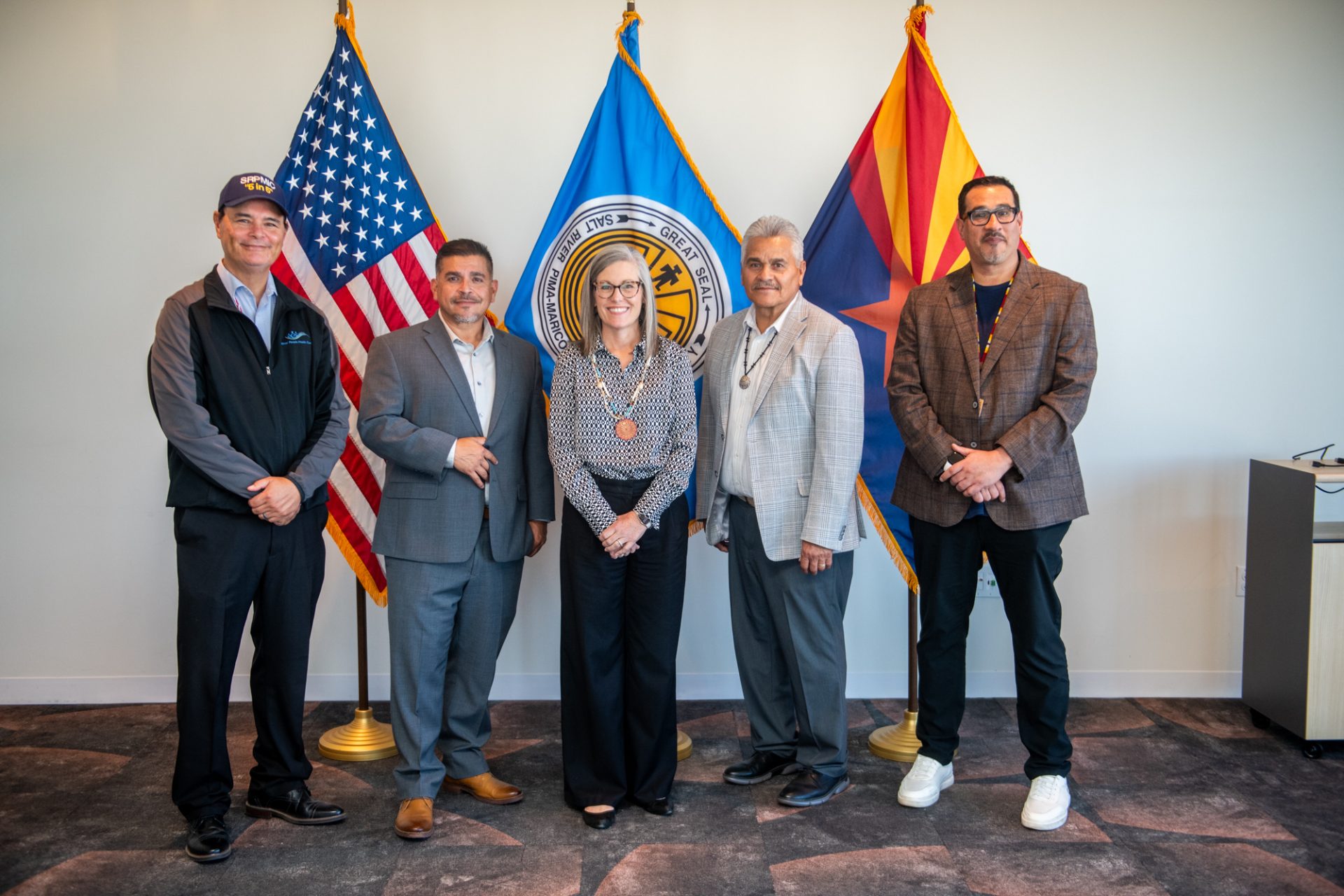
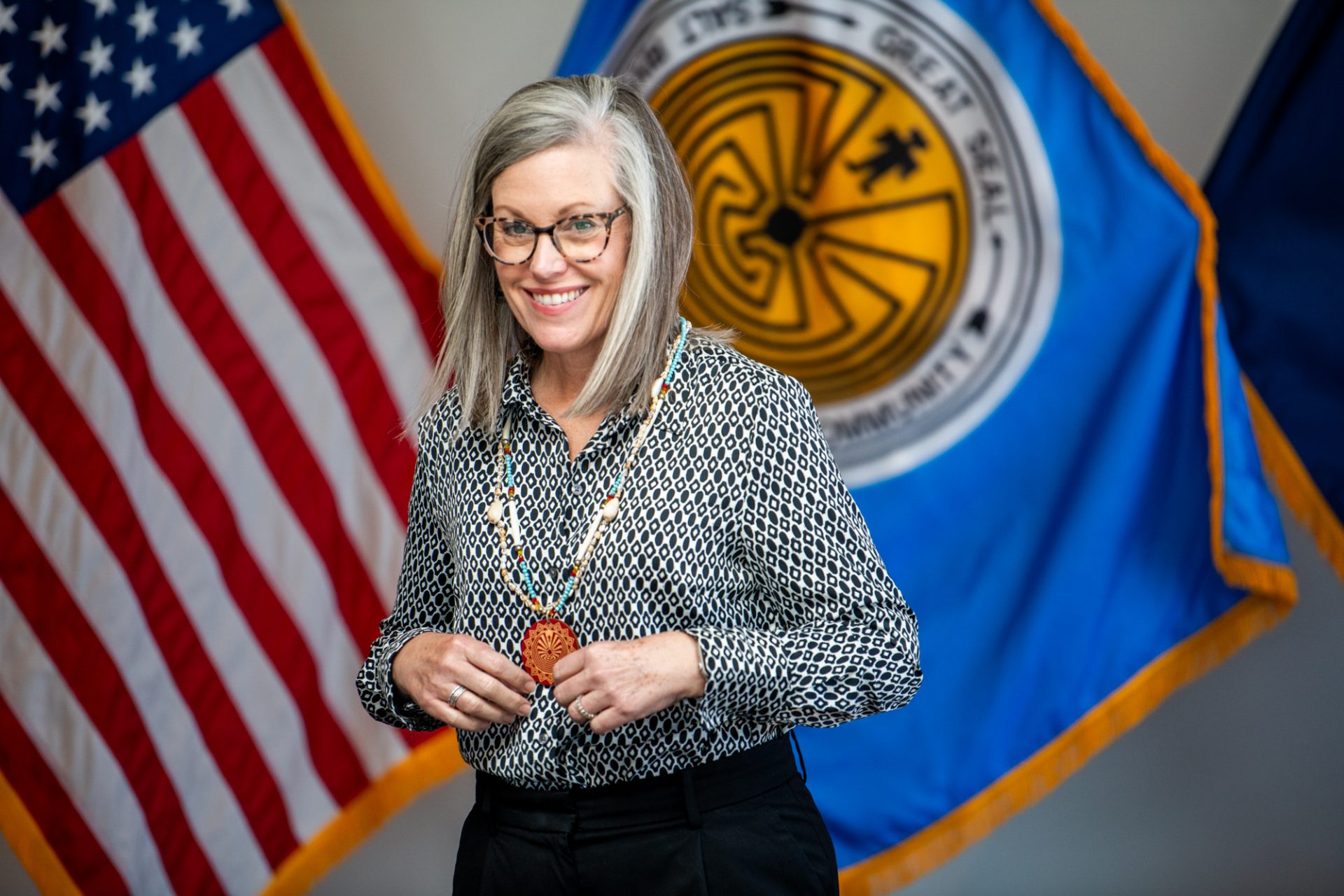
Arizona Gov. Katie Hobbs spent an afternoon in the Salt River Pima-Maricopa Indian Community on April 14 to discuss important issues with leaders and tour of a handful of facilities.
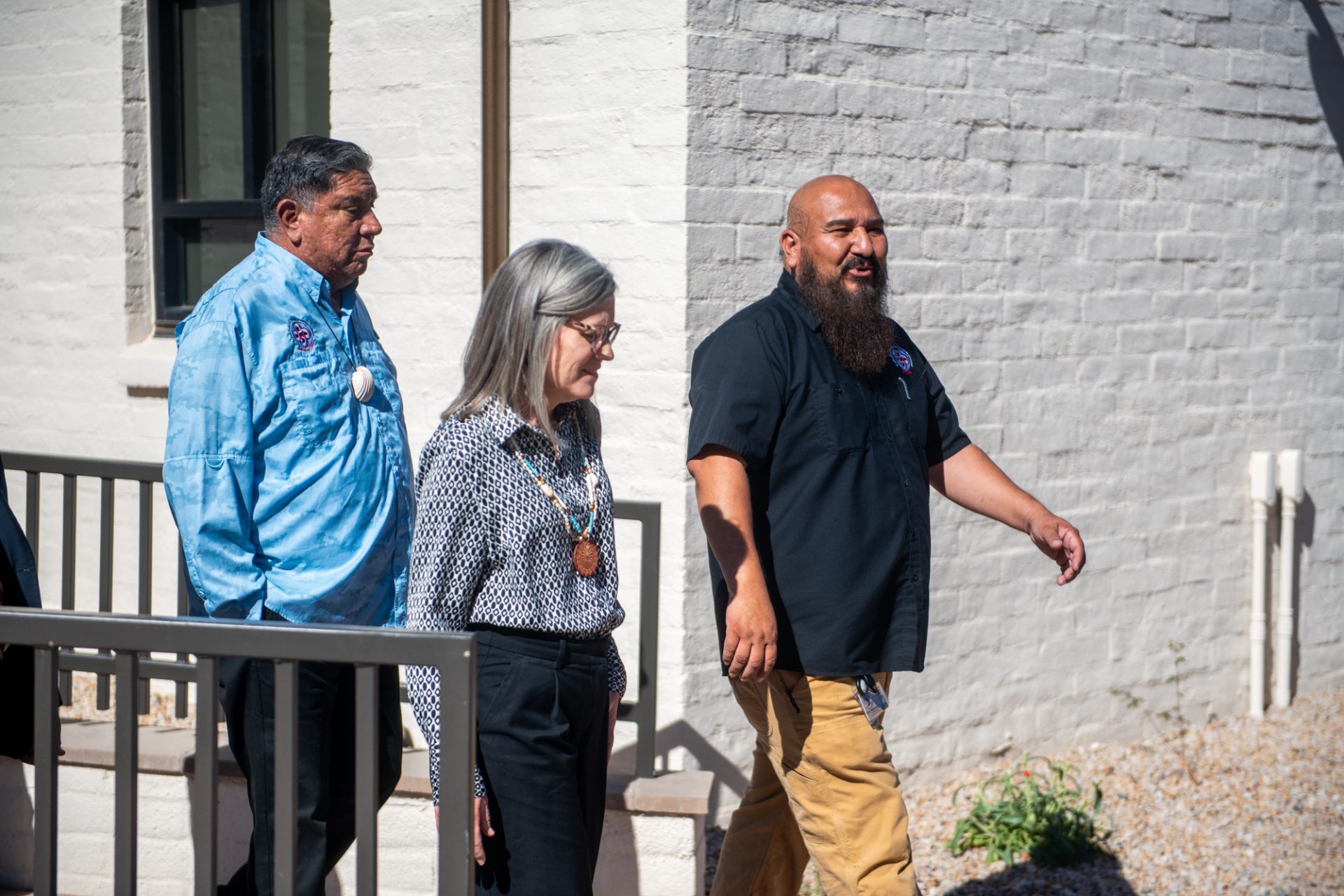
The tour began at Journey to Recovery (JTR), a residential treatment facility on the River People Health Center campus. Later, SRPMIC leaders gave her a brief tour of Community sober living home facilities and facilitated a peek at the Kavaḍ/Kushov Cultural Center before it opens.
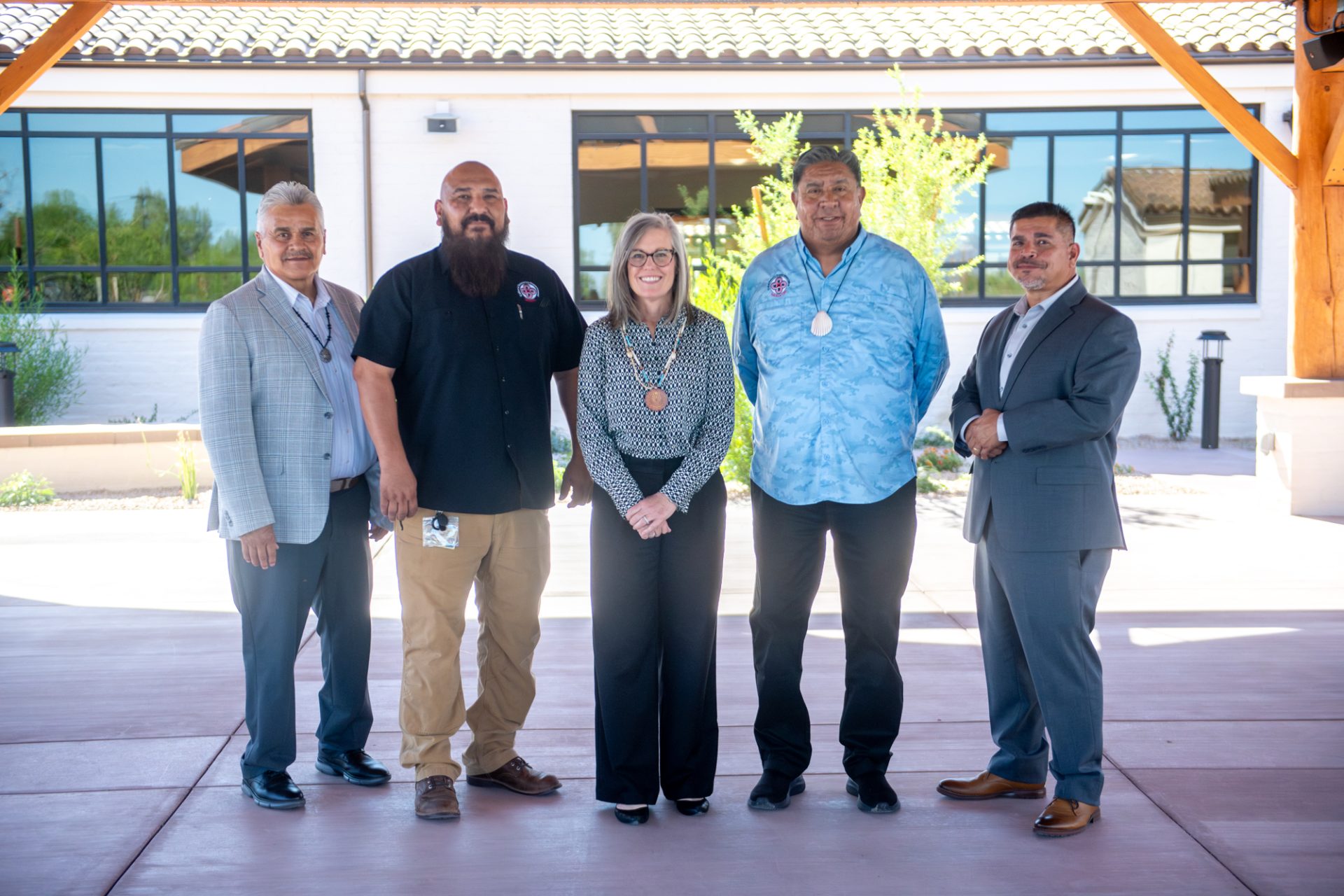
Joining Hobbs was Governor’s Office of Tribal Relations Director of Tribal Affairs Jason Chavez and Deputy Director of Tribal Affairs Angela Willeford, who is from the Community.
Hobbs was welcomed first by SRPMIC President Martin Harvier, Council member Jacob Butler, and Health and Human Services leaders at JTR.
“Here in Salt River, we appreciate not only what Gov. Hobbs does for us, but what she does for all the tribes in Arizona,” said Harvier.
The last time Hobbs was at the River People Health Center was in August 2022, when she kicked off her campaign as the Democratic nominee in the Arizona gubernatorial race with a visit to the campus, which was in its first weeks of operation at the time.
“It was brand new,” recalled Hobbs, who reflected on the progress now, with the opening of JTR. “It’s so exciting to be here and see this.”
Hobbs continued, “I know we have worked a lot on the missing and murdered Indigenous peoples issue, and so much of that is related to people being exploited for behavioral health and substance abuse issues, and so having this center here is really important.”
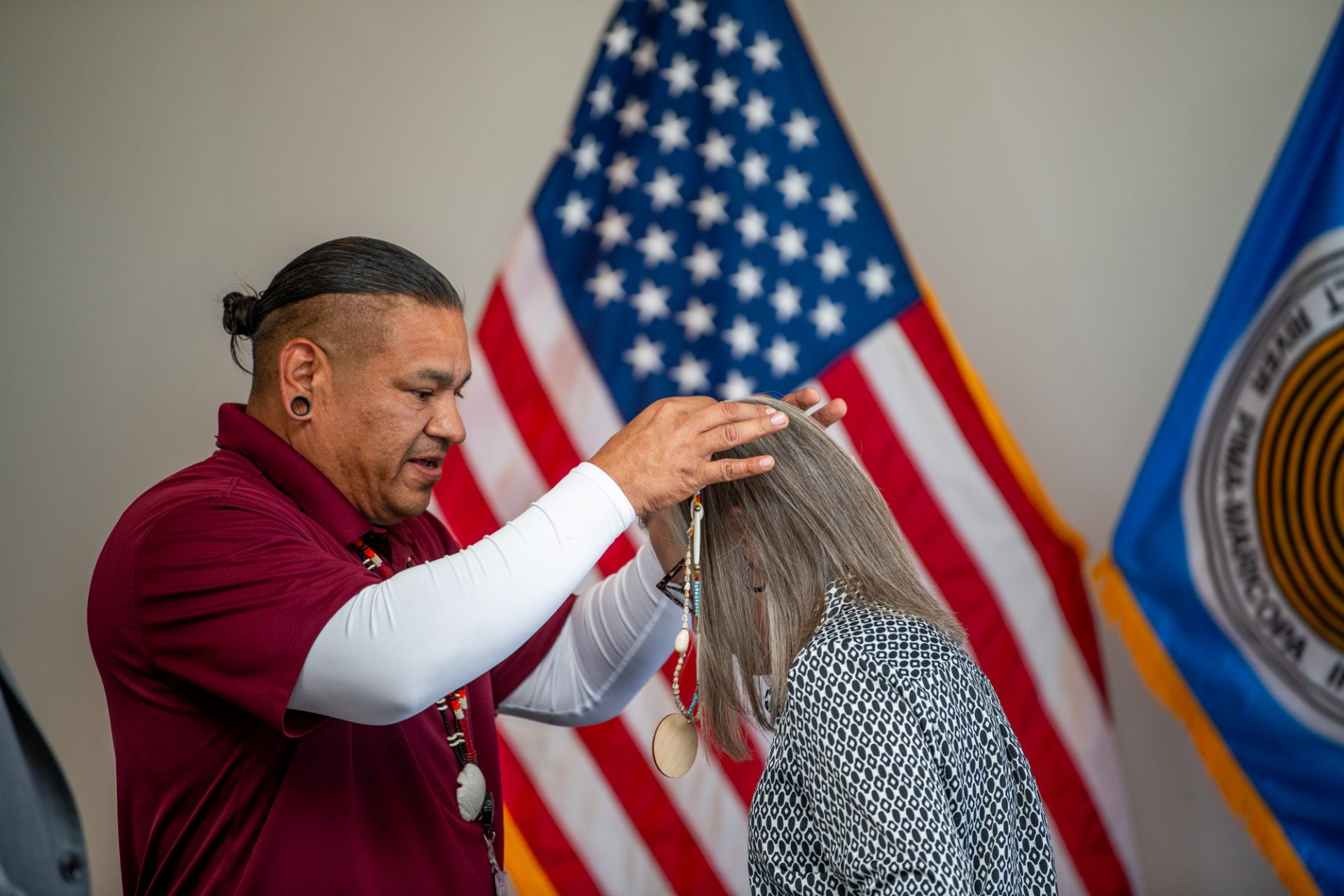
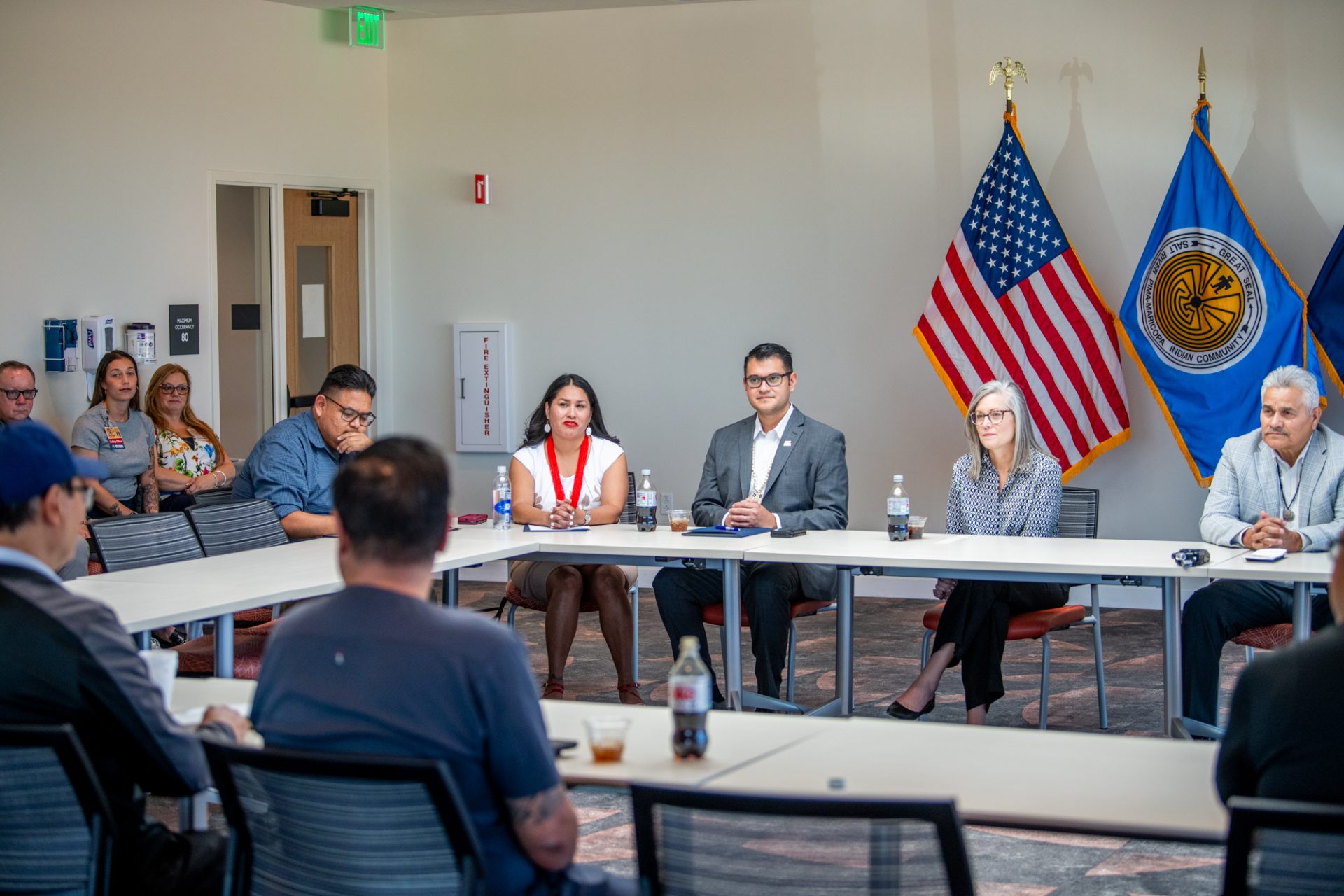
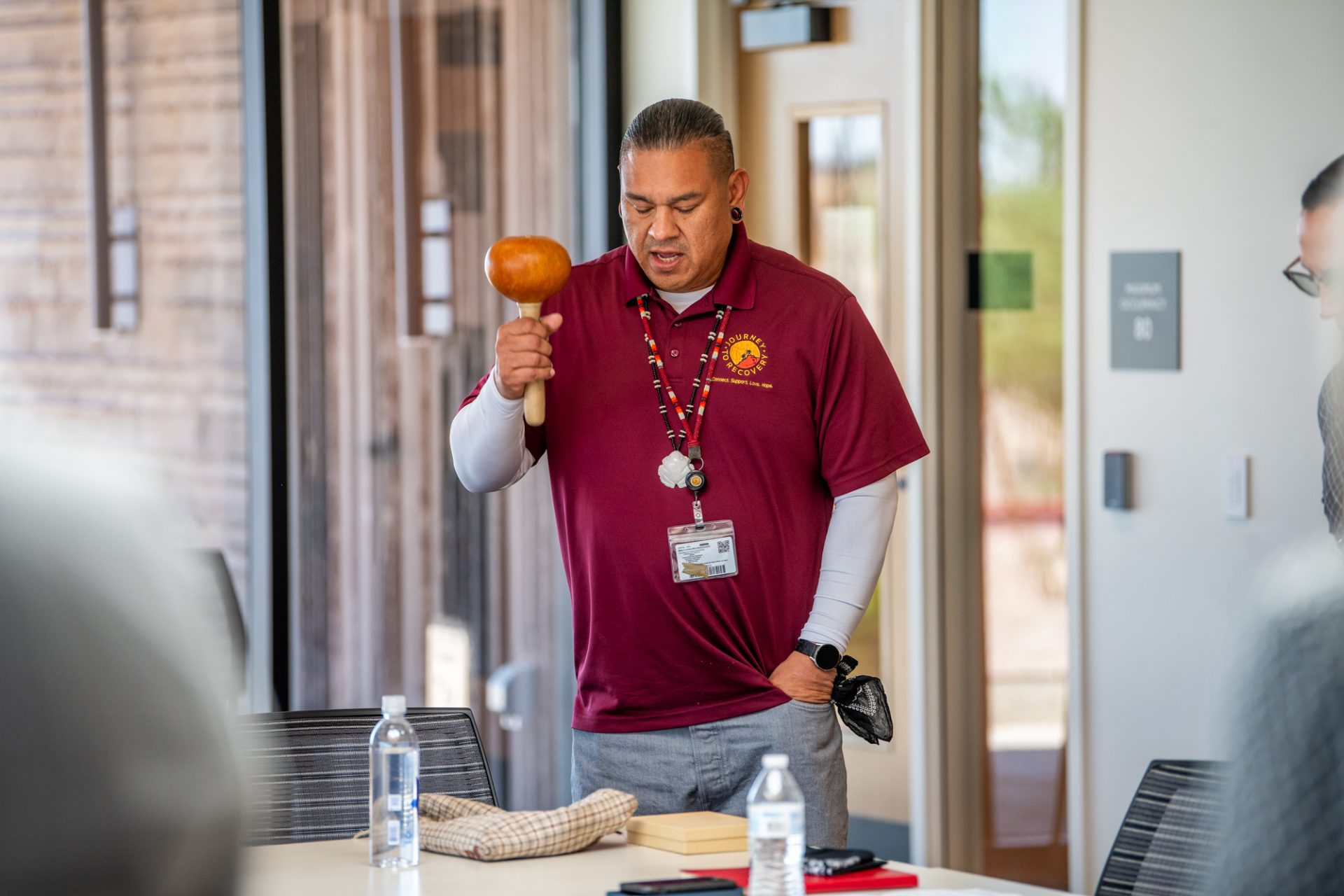

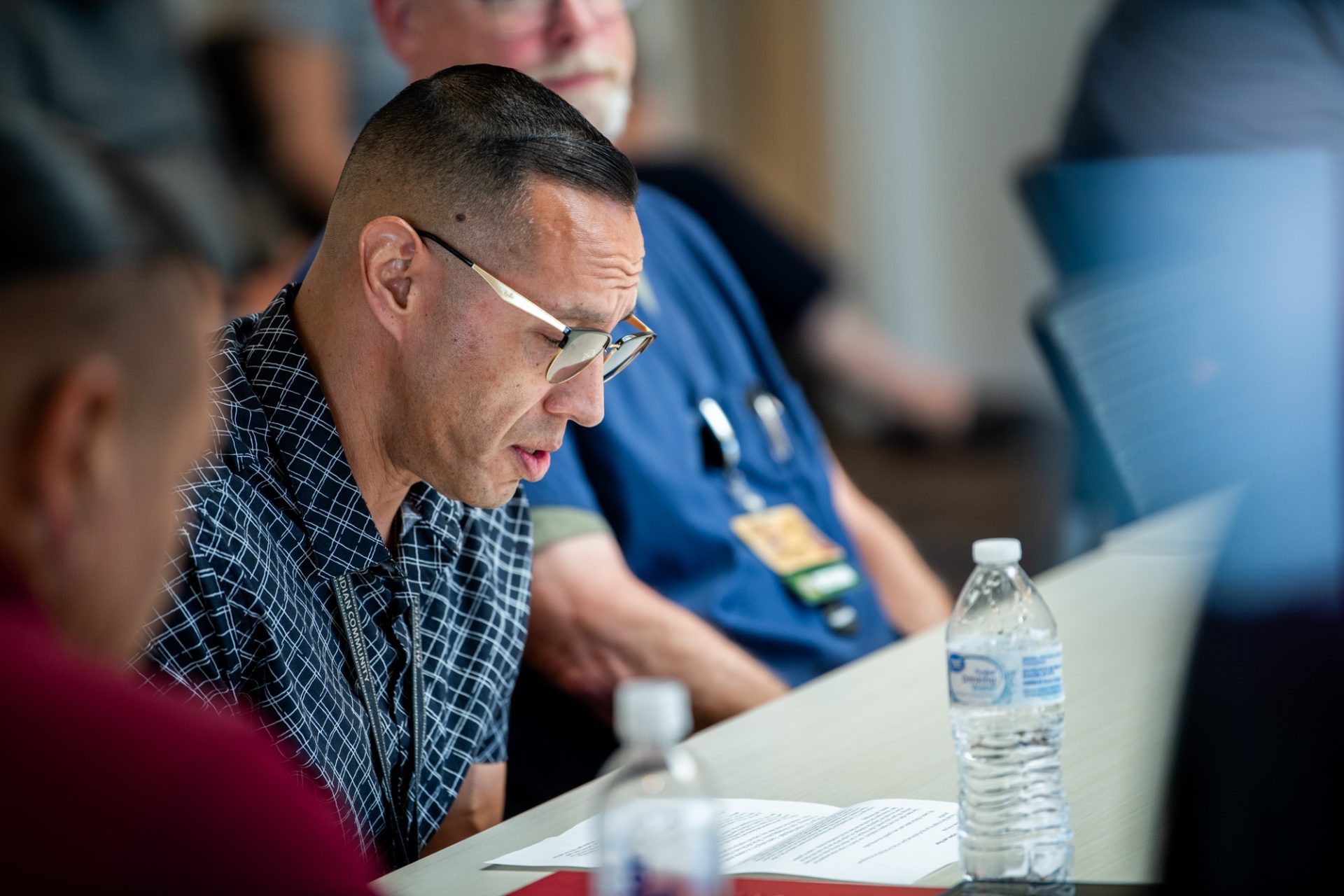
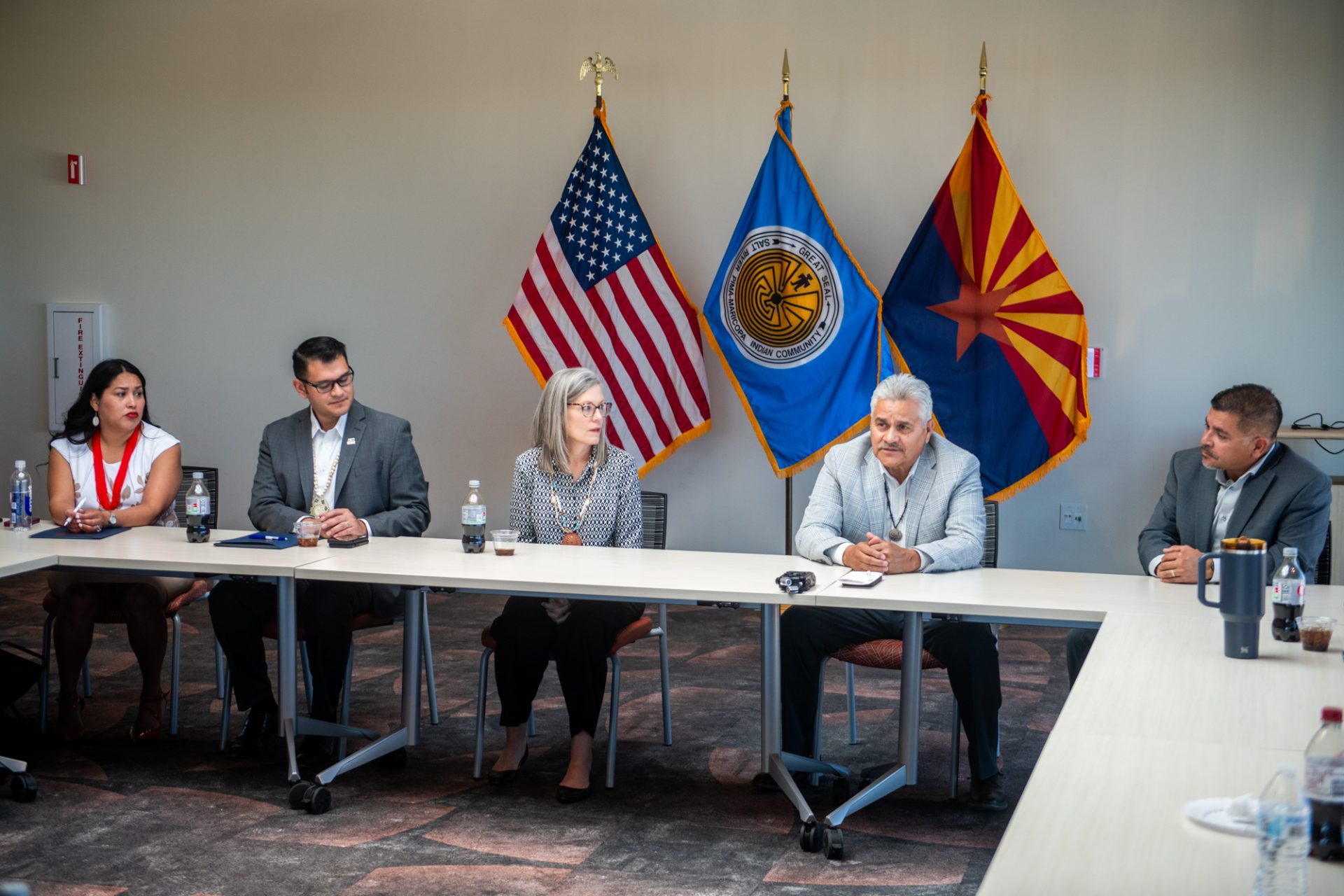
Real-life evidence of the center’s importance was presented to Hobbs in the form of the moving story of Community member Patrick James.
James, a recovering addict and U.S. Army veteran, grew up feeling like he was missing guidance in his life. He turned to drugs and crime at age 12, searching for a father figure. Instead, he said he found others who were just as lost as he was.
James made the decision to join the military the day after the events of 9/11. He said he believed joining the military would give him purpose and a way out.
“The military gave me structure and allowed me to see the world, but it also exposed me to violence, loss and trauma,” said James.
“When my service ended, I returned to civilian life more broken than before.”
One day he heard about the JTR program. With nothing to lose, he decided to give the program a chance.
“I wish I could say I got it the first time, but that’s not my story. It took me eight attempts before something finally changed,” said James.
“JTR didn’t just help me get sober, it helped me feel human again.”
Now, James is three and a half years sober and works for JTR as a behavioral health technician. After his powerful story, the room filled with thunderous applause.
Hobbs toured the JTR facility to see the work firsthand, meet some residents seeking treatment and meet the staff that makes it all possible.
Following the tour, Hobbs’ motorcade traveled to the Kavaḍ/Kushov Cultural Center to hear about the history of the former Salt River Day School and how it is being repurposed into the offices and multipurpose instructional spaces of the Cultural Resources Department.
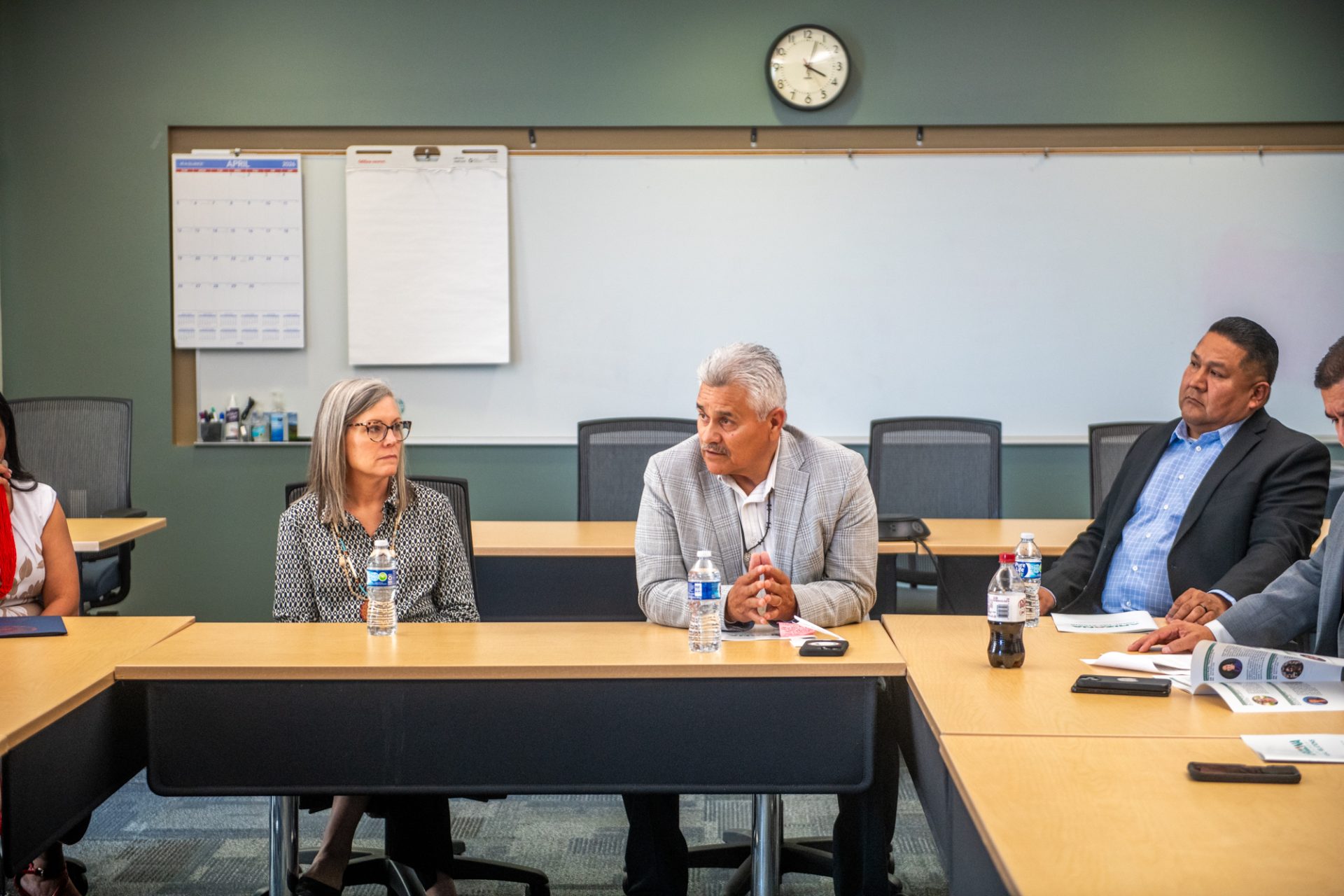
The governor’s stay concluded at Two Waters with a closed-door meeting with Harvier and Council members. “The SRPMIC looks forward to building bridges with the governor and her administration,” the Office of Congressional and Legislative Affairs said in a statement.