VIEWS: 112
July 1, 2026Summer Snake Safety
With the return of our infamous Arizona heat, residents in the Valley and statewide are noticing a spike in bugs and reptiles, especially snakes. But have no fear—like the rest of us, these creatures are likely just looking for a place to beat the heat.
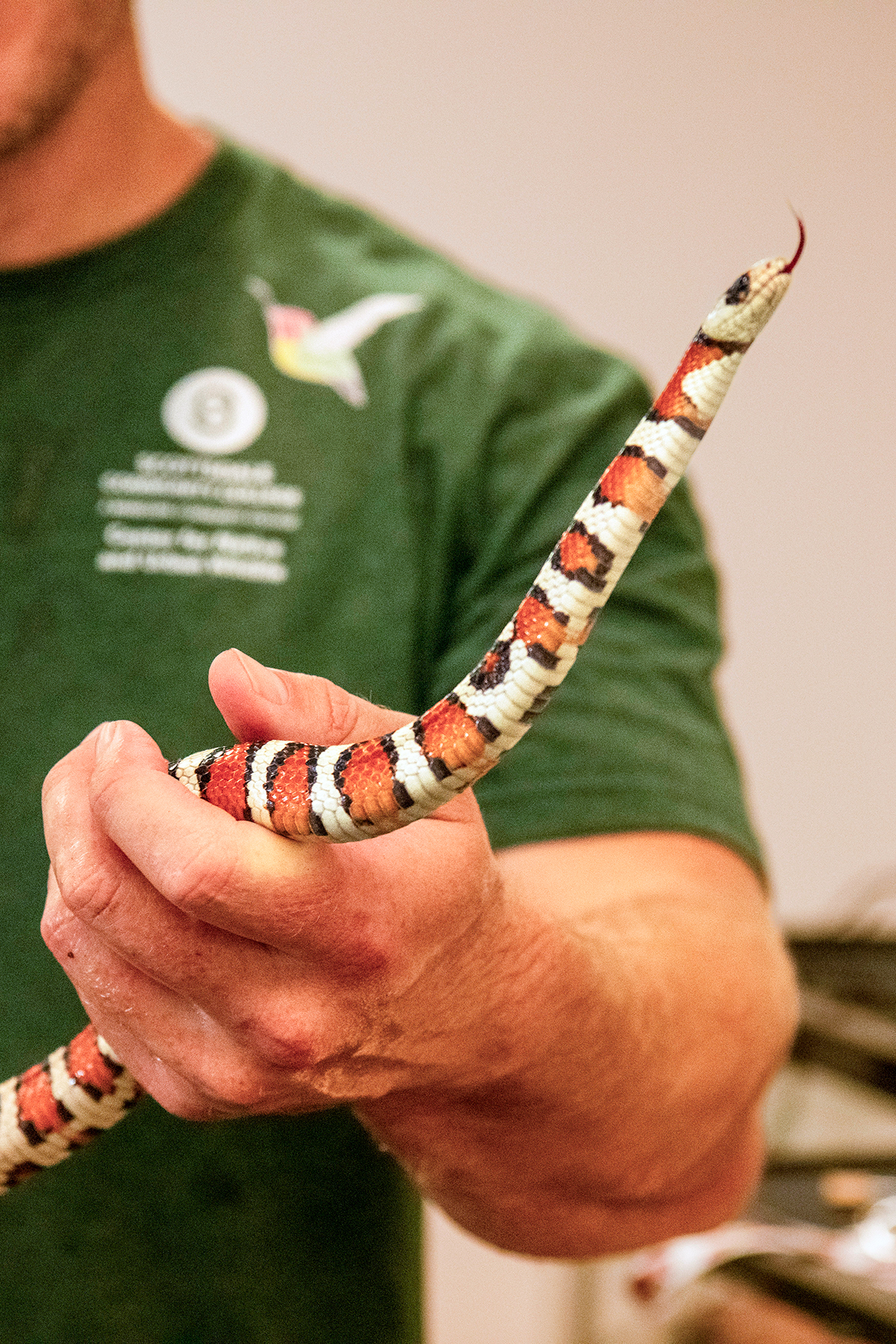
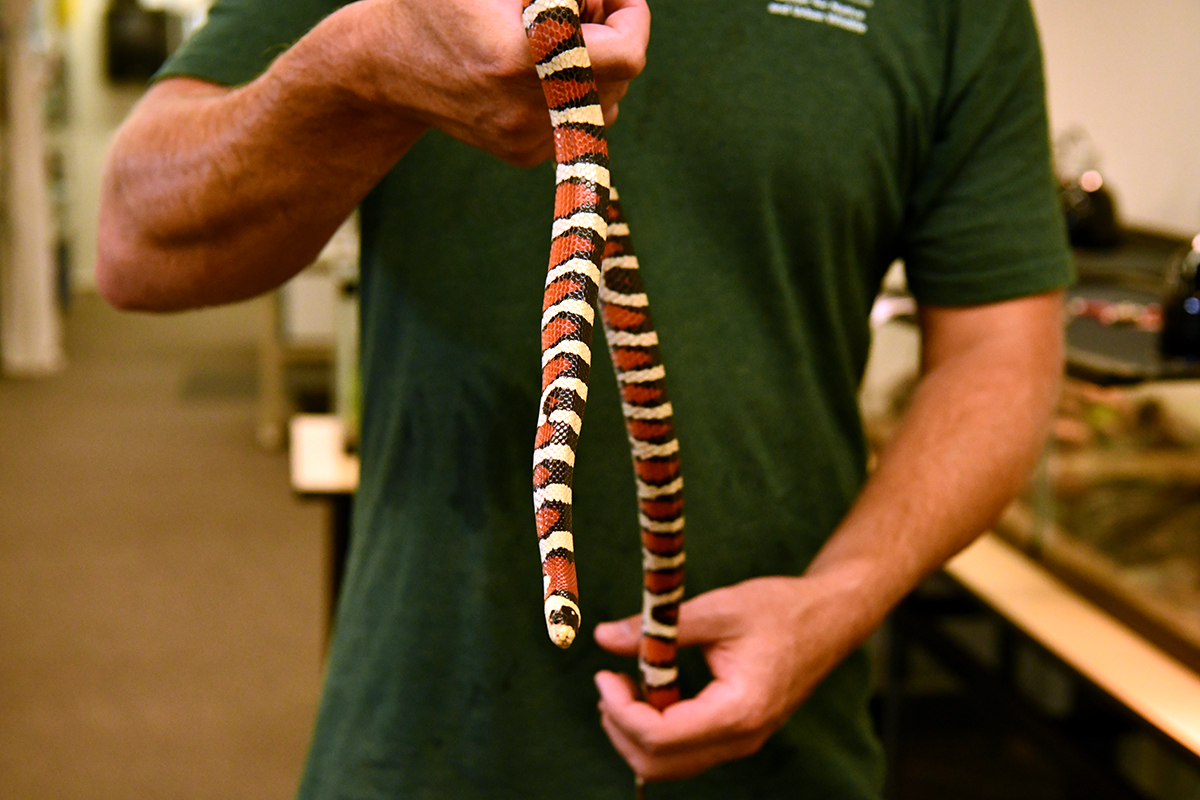
The most common snakes found here in the Southwest are the gopher snake, the California or common king snake, and the western diamondback rattlesnake. Of these three, the only venomous one is the diamondback.
When the temperature rises as we move from winter to spring and summer, snakes emerge from what is called brumation, which is like when bears hibernate for the winter. Spring is when these creatures usually make their first appearance. They are most active when temperatures are in the high 70s or low 80s.
When they emerge from brumation, many snakes are hungry, which is why it is common to encounter snakes out on trails, roads and near homes. And since they are ambush predators, these snakes can be spotted waiting under bushes for their prey to happen by.
It is important to know how to stay safe around snakes.
“In terms of rattlesnake safety [or snake safety in general], don’t put your hands and feet where you can’t see,” said Natalie Case, outreach manager for the Center for Native Urban Wildlife at Scottsdale Community College.
“If you’re going on a hike, stay on the trails, because that’s the safest place to be,” she added.
To prevent snakes from finding a spot near your home, remove piles of brush, boards or wood, which they like to hide under. Always be careful moving boards off the ground; this is where snakes commonly like to get out of the heat.
It is unlikely you will find a snake out during the heat of the day. They tend to be more active after the sun goes down, and you can often find them crossing roads at night.
Though a snakebite is highly uncommon, if you are bitten by a venomous snake, it’s best to stay calm. Take off rings, watches or anything constricting and go to the hospital immediately for treatment.
Arizona has many species of venomous and non-venomous snakes. These animals are a beneficial part of our ecosystem because they manage the rodent population, which prevents transmission of diseases and allows plants to grow instead of being eaten.
If you encounter a snake in the Salt River Pima-Maricopa Indian Community, keep your distance. Contact SRPMIC Senior Environmental Specialist Brian Gewecke, who can relocate the snake to a safer area. You can reach him at (480) 570-4410.