VIEWS: 516
January 21, 2026National Native American Boarding School Healing Coalition Makes Arizona Stop
The coalition recently visited the Gila River Indian Community as it works to collect and archive boarding school survivors’ stories.
When you look at it one way, all Indigenous people who were forced to attend federal boarding schools are not alumni, they are survivors.
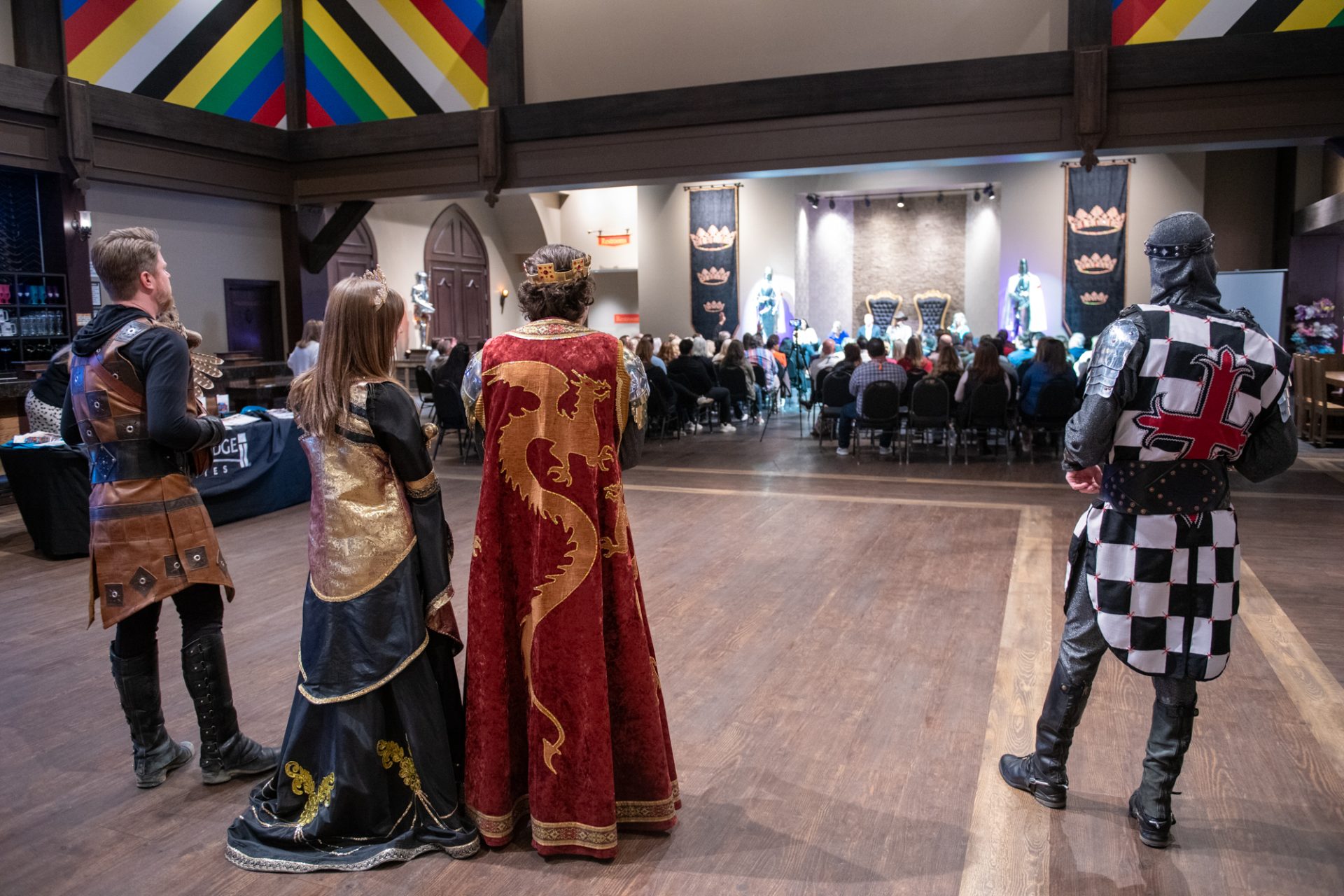
This was one of the main focal points for the National Native American Boarding School Healing Coalition’s recent stop in the Gila River Indian Community, held at the Wild Horse Pass Casino and Resort in Chandler from Dec. 14 to 18 .
So far, the coalition’s oral history project has visited nearly 20 reservations throughout Indian Country since it began in March 2024 to document survivors and their stories. The final stop will be in Oklahoma in June.
‘They Took Funding Away’
In the weeks prior to the Gila River visit, the coalition, also known simply as NABS, was discussed at the Arizona State University Sandra Day O’Connor College of Law during the annual William C. Canby Jr. Lecture in November. The guest lecturer was Deb Haaland, who served as secretary of the U.S. Department of the Interior from 2021 to 2025.
During the question-and-answer discussion, O’odham Action News asked Haaland what the Trump administration has done to help NABS meet its objectives. “What has the current administration done? They took funding away,” said Haaland.
She continued, “They took funding away toward our oral history project that was being worked on between the Smithsonian and the Department of the Interior. This current administration is working hard to bury anyone’s past that doesn’t uplift the current president. It’s sad, but that’s why all of us have a big job to do.”
Haaland also shared that many of the NABS key points the coalition created together are “probably collecting dust somewhere” because “the current administration doesn’t want to lift the issue at all.”
She shared that one key goal that was completed was President Joe Biden’s apology to Indian Country.
She said, “Boarding schools have touched everyone here inside this building. We have an obligation in that sense. Right?”
Currently, the Bureau of Indian Affairs section of the Department of the Interior’s official government website does not present or list any NABS data or research.
NABS in Gila River
It’s important to understand that the NABS healing circles and oral history interviews are sacred. For many, the recent NABS stop in Gila River was the first time that some survivors openly discussed the traumas they experienced when they were children.
On day one of the four-day stop, many survivors and their families hesitated to approach the NABS welcoming booth; however, once they were greeted by NABS staff, the survivors quickly learned they were surrounded by supportive relatives.
During the visit, NABS established in-person healing circles as well as oral history interview rooms which allowed for one-on-one recordings. As part of the NABS guidelines for their oral history stops, each survivor is provided with a ceremonial gift, a monetary stipend, an official headshot and more.
“We are here at our 16th stop, with seven more stops planned,” said Lacey Kinnart, NABS oral history program co-director. Kinnart is an enrolled citizen of the Sault Ste. Marie Tribe of Chippewa Indians, as well as Potawatomi and Odawa.
Kinnart shares duties with her colleague Charlee Brissette, who is an Anishinaabe and Odawa woman, also from the Sault Ste. Marie Tribe of Chippewa Indians.
She and Brissette were joined by additional NABS staff as they spent four days understanding more about boarding school survivors living in Gila River and the traumas that impacted them.
During the opening ceremony, NABS hosted traditional dancers and singers in the Whirlpool Room of the Wild Horse Pass Resort. Yellowbird Productions performed the Apache rainbow dance, and Gila River elder Robert Stone provided the opening blessing with a song.
For three days, NABS recorded and archived stories from boarding school survivors. Guests shared meals, hugs and healing behind closed doors.
“Our goal is to create a permanent oral history collection that will be housed in the Library of Congress, where it will be accessible to the public,” said Kinnart.
NABS’ next scheduled stop will be in Albuquerque, New Mexico, at the end of January as the coalition looks to wrap up their oral history project this summer.
“Our final stop will be in Tulsa, Oklahoma,” revealed Kinnart. “That last stop in Oklahoma is a full circle because that’s where we started back in March of 2024 and Oklahoma had the most federal Indian boarding schools, with close to 100.”
The entire NABS staff is Indigenous, reaffirming that Indian Country can and will continue to take care of its own, even if the Trump administration does not want to assist with implementing healing resources for survivors of boarding schools.
Those looking to begin or continue their healing journey can visit the NABS website, www.boardingschoolhealing.org, as well as the National Indian Boarding School Digital Archive.