VIEWS: 443
September 28, 2026Birding is More than a Hobby for EPNR
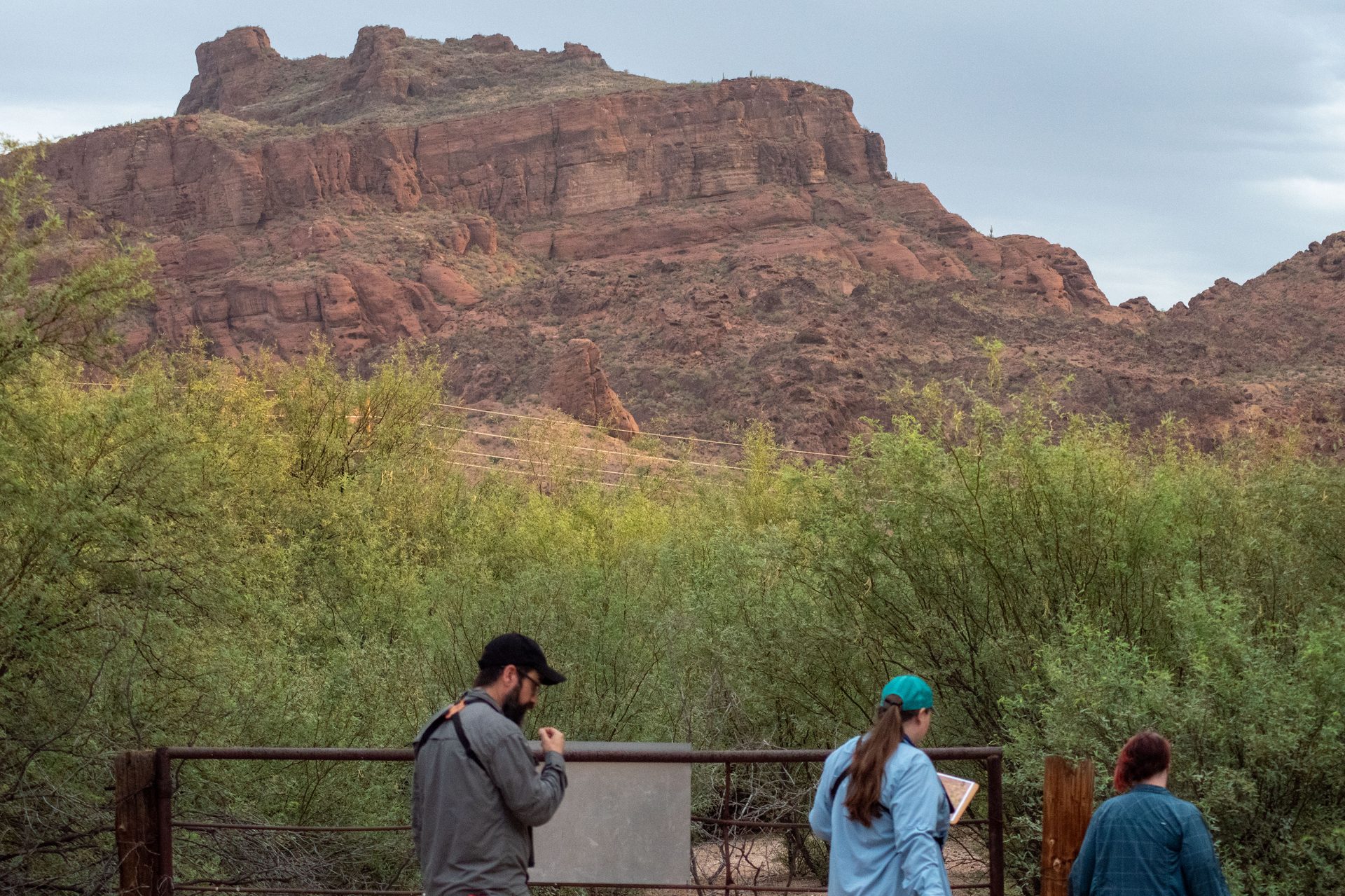
On a warm August morning, as the soft glow of daylight gently reached for the horizon, staff members from the Salt River Pima-Maricopa Indian Community’s Environmental Protection and Natural Resources division laced up their boots and packed their water, GPS, binoculars and clipboards as they set off for the first of many scheduled stops to do some gathering within the Community boundaries.
Specifically, they were gathering data.
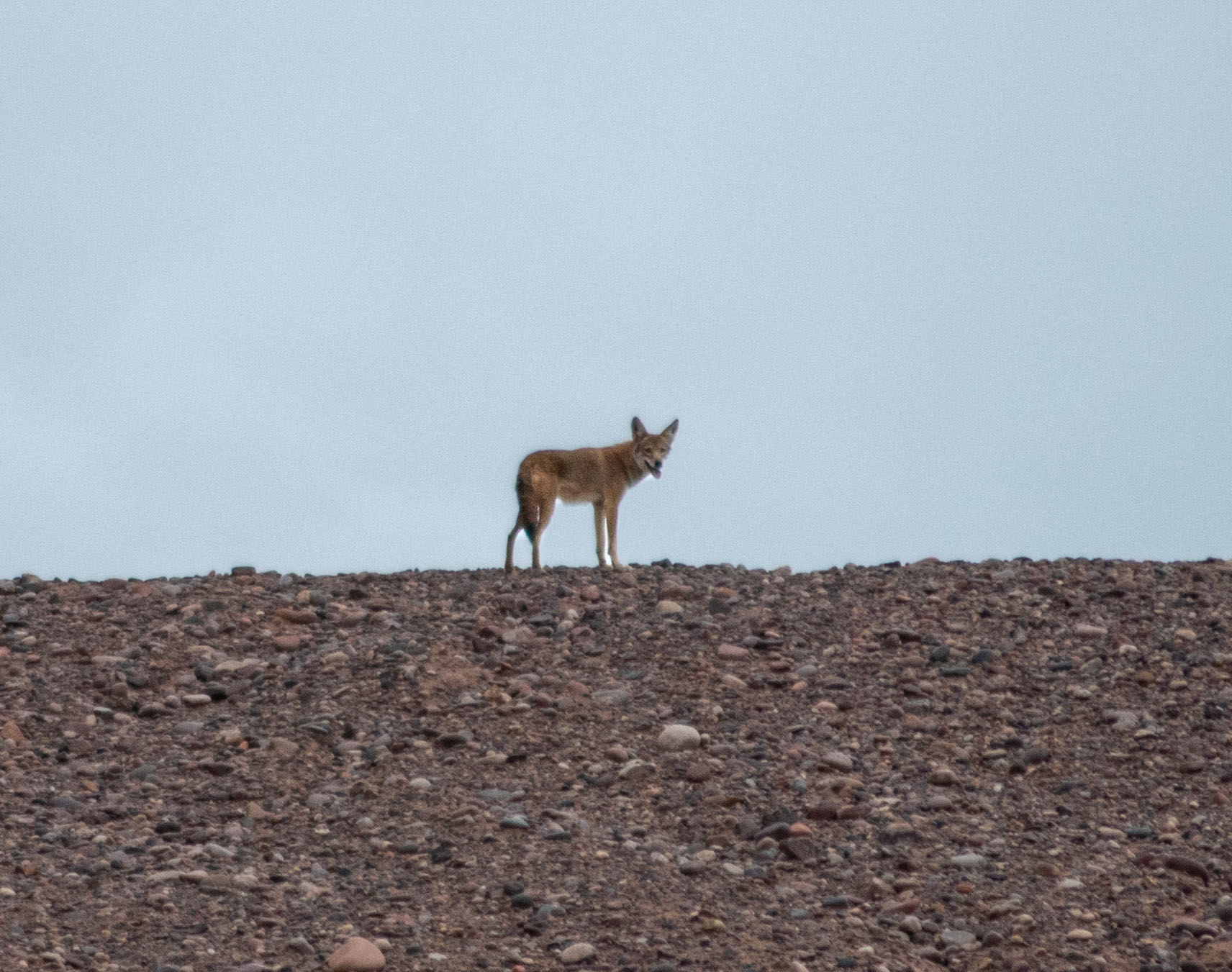
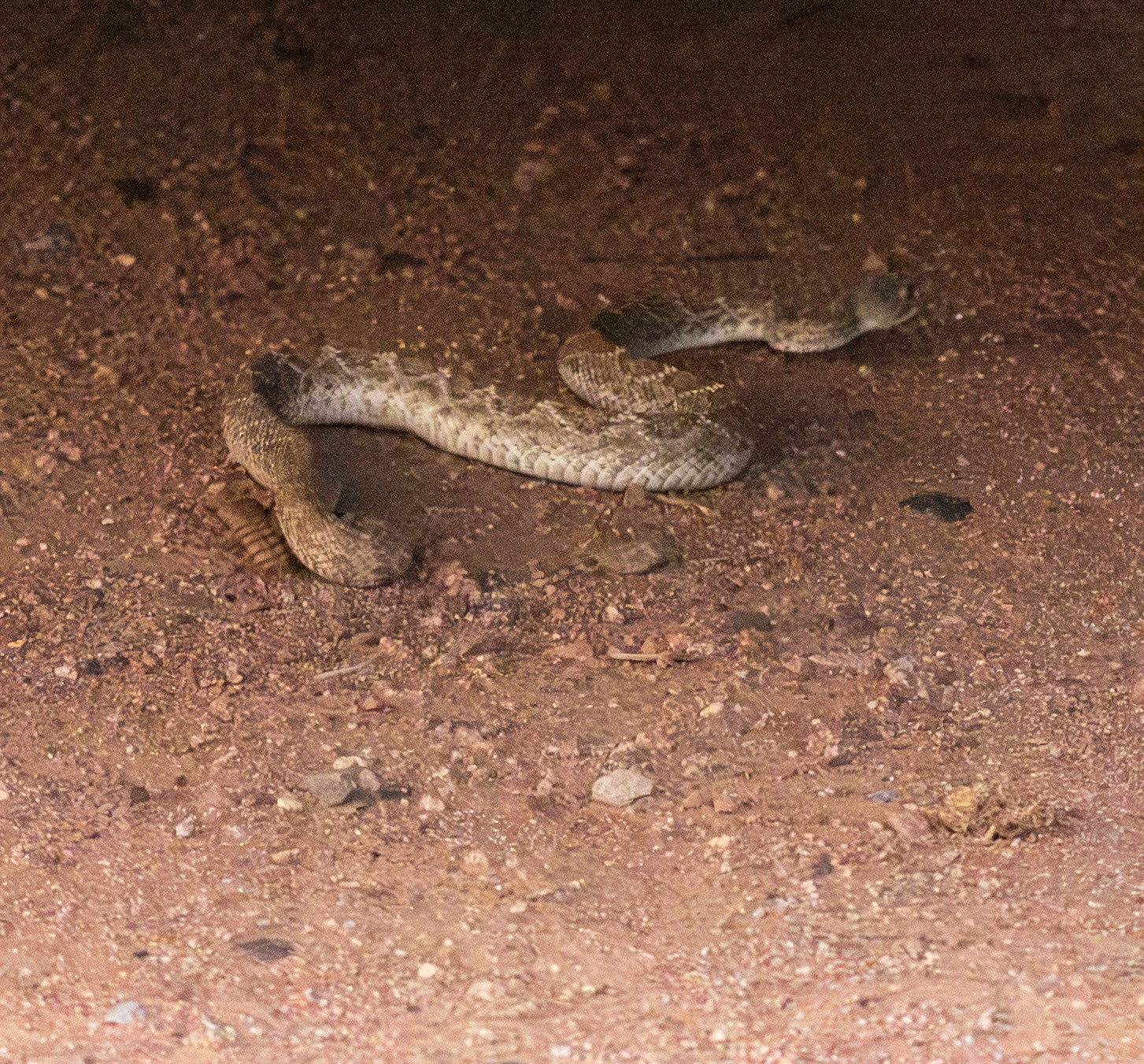
This trek was for one of their quarterly avian surveys, an important part of measuring changes in the environment over time. On this morning, the team spotted a coyote, rattlesnake and other critters, and of course, birds. The heat didn’t seem to be much of a factor to those that call nature home.
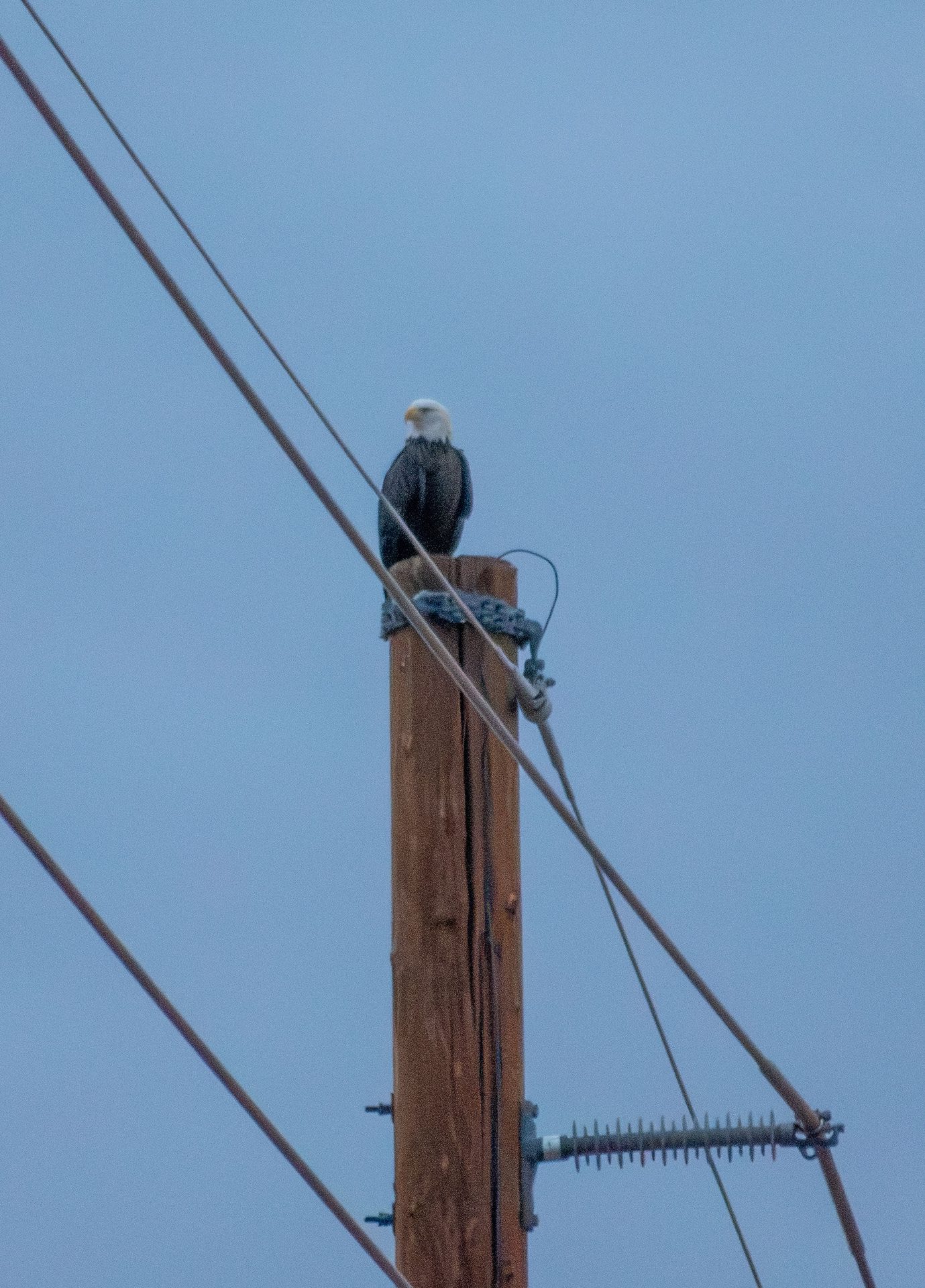
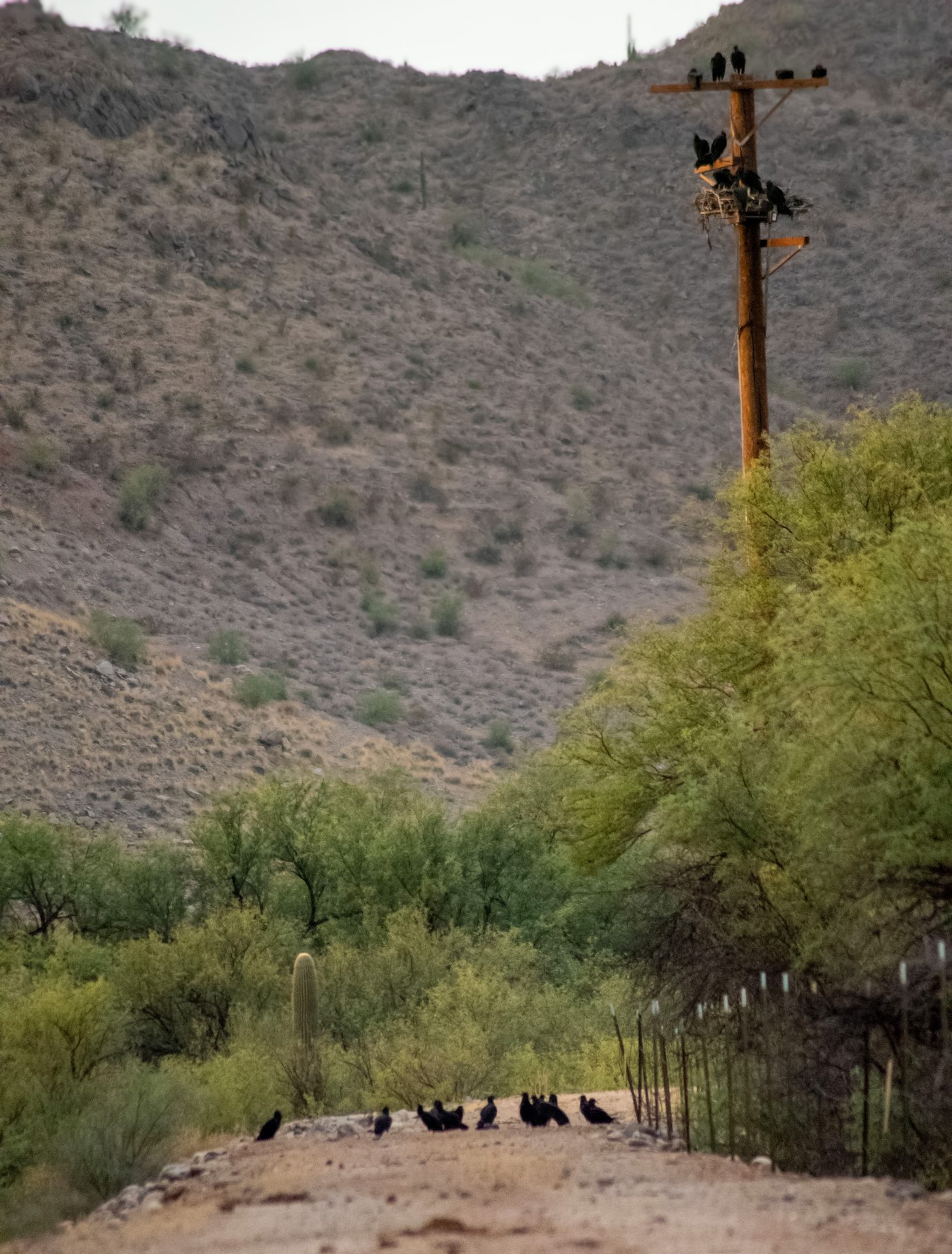
The surveys, which monitor local bird populations, take several days to complete and involve visiting many specific points within the Community, from by the rushing river to by the flowing freeway. Each quarter they visit the same sites, set the same timer, then look, listen and document. The only thing they’ll physically take from the sites is any waste they come across (often, it’s fallen mylar balloons that would be slow to break down). By mid-morning, the team has empty water bottles and a full clipboard of shorthand codes for each species of bird they spotted, alongside how many were seen and what behaviors were recognized.
That data will then go on to reveal emerging patterns which help tell the story of the ecosystems throughout the Community, including changes in migration and population growth. It’s one part of the bigger task of land stewardship.
If you look at it one way, it’s numbers and jargon and science. But for the team at EPNR, it’s another service the Community provides in line with the mission and vision of SRPMIC:
• An environmentally responsible Community that protects the land;
• A Sovereign Community Government that provides quality, essential services where departments work together through collaboration and effective communication; ….
The environmental aspect may be more obvious, but tribal sovereignty and collaboration are crucial parts of the work they do. When a project involving multiple internal and external agencies runs into delays because of environmental factors, EPNR’s involvement makes sure corners aren’t cut and the needs of the Community and the land are met, regardless of convenience. It can be a challenge with folks visiting the Community, too. When data is recorded on tribal land, that information belongs to the tribe—no matter how well-meaning a citizen scientist or environmental organization may be.
That’s led to uncomfortable but necessary conversations with some such individuals and outside organizations, conversations that Senior Environmental Specialist Vicki Olmstead isn’t afraid to have.
“We brought the breach of tribal data sovereignty and the associated trespass issues to the attention of [the organization’s] staff,” shared Olmstead. “It’s been a long discussion that has ultimately proven fruitful. [The organization] is now aware of our concerns. We’ve jointly devised short-term adjustments and we’re working together to find long-term solutions which should benefit the Community as well as other tribal nations.”
It’s all part of the job. The staff members at EPNR may not be installing playgrounds or fixing a senior’s roof, but whether they’re out in the field monitoring wildlife or presenting at a conference on conservation best practices, each day is spent working for the betterment of the Community.
At the end of even the longest days, the care that goes into their work shows in more than the dusty boots and bags of trash picked up along the way.